Standard Low Mount

Род

Перевод: standard low mount

Дистанция и классификация

Категория
Удар и защитаЗамкиБлижний бойБой против нескольких
Дистанция
БлижняяСредняяДальняя

Обзор

The Standard Low Mount positions the top fighter's hips on the opponent's waist or lower abdomen, with a wider base and lower centre of gravity for maximum stability. [1] The standard low mount prioritises control over submission access, making it ideal for ground-and-pound in MMA and for maintaining the mount against opponents with strong bridging escapes. [1],[2] From standard low mount, the top fighter can transition to full or high mount when ready to attack with submissions. [2],[3]

Также известна как
Classic Low Mount[1]Basic Low Mount[2]Seated Low Mount[3]
Используется в

История и происхождение

The standard low mount is a control-focused mount position commonly used in MMA and self-defence contexts where maintaining the mount is more important than immediate submission attacks. [1] It is taught as a controlling mount option alongside the standard and high mount. [2],[3]

Страна происхождения· показано в случайном порядке

  • БразилияБразильское джиу-джитсу, ММА, Сабмишн-грэпплинг
  • ЯпонияБразильское джиу-джитсу, Сабмишн-грэпплинг, Дзюдо
  • СШАММА, Сабмишн-грэпплинг

Эффективность

The standard low mount is the baseline mount position. [1]

Родословная

The default mount position in BJJ. [1]

Соревновательные результаты

Used in all grappling competition. [1]

Изображения

Изображений для этой техники пока нет.

Войдите, чтобы предложить изображение.

Биомеханический механизм

Primary ActionGravity-assisted top control — body weight pins the opponent's torso to the ground
Joints InvolvedAttacker's hips (heavy base), knees (clamped for ride control), opponent's spine (pinned)
Force VectorDownward — gravity plus active hip pressure maximises control and submission opportunities
Positional MechanicHigh mount raises the centre of gravity above the opponent's shoulder line, isolating their arms for attacks

Позиция и вход

From guard pass completionAfter passing the guard, establish mount by placing knees on either side of the opponent's torso
From sweepComplete a sweep from guard and land directly in mount position on top
From side control (knee slide)From side control, slide the knee across the opponent's belly and settle into mount

Варианты

Low mounthips heavy on the opponent's belly, grapevines in for stability
High mountknees under the armpits, arms isolated for submissions
S-mountone knee high under the armpit, other leg across for arm attacks
Technical mountone leg hooked, one knee posted, modified for back-take transitions

Видео

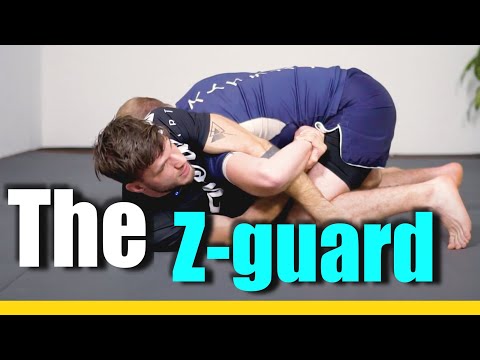
Z guard BJJ

0
Standard Low Mount·Energia Martial Arts·Added by Admin

Z guard BJJ Back to a full system again with the Z-guard this time. A beautiful halfguard/kneeshield variation with tons

1 video

Изучить технику

Учебных курсов по этой технике пока нет.

Войдите, чтобы предложить курс.

Оценки

Уровень опасности

Риск травмы для человека, к которому применяется техника

3
Умеренный3/10

Top positions enable pressure and striking; rib compression risk under heavy pressure

Сложность

Уровень мастерства, необходимый для надёжного выполнения техники

Средний
Допустимость на соревнованиях

Разрешена ли техника по основным соревновательным правилам

IBJJF — Legal, mount scores 4 points — highest-scoring po...
IBJJF Rules Book v6.0, June 2024PDF
ADCC — Legal, mount scores 2 points
ADCC Rules Update, April 2025PDF
Unified MMA — Legal dominant position
Unified Rules of MMA, August 2025PDF
UWW — Legal, back exposure scores points, pin ends match ...
UWW International Wrestling Rules, January 2026PDF
FIAS Sport Sambo — Legal, pin scores points
FIAS International Sambo Competition RulesPDF

Заметки по тренировке

Standard low mount execution: from mount, drop the hips to the opponent's lower abdomen, insert grapevine hooks by threading both feet inside the opponent's thighs, and establish chest pressure with head-and-arm control (Saulo Ribeiro, Jiu-Jitsu University, 2008)
Step 1: settle the hips on the opponent's lower abdomen — heavy and low
Step 2: thread the right foot inside the opponent's right thigh (grapevine hook)
Step 3: thread the left foot inside the opponent's left thigh (second grapevine hook)
Step 4: spread the opponent's legs with the hooks to reduce their bridge power
Step 5: lean forward, driving the chest into the opponent, and control the head with a crossface or collar grip
Step 6: from standard low mount, threaten: cross choke (begin grip sequence), Ezekiel choke, or climb to high mount
Standard low mount is the first mount position taught: it establishes the control principles before adding submissions
Drill: establish standard low mount and hold against escaping partner — 3-minute rounds

Типичные ошибки

!Not sinking the hips low enough — the hips must be heavy on the lower abdomen
!Threading the hooks too deep — medium hook depth provides the best control and mobility
!Not spreading the opponent's legs — the hooks should actively push the legs apart
!Leaning too far forward and losing hip contact — the hips must stay on the opponent
!Not using chest pressure — the chest drives into the opponent for maximum weight
!Keeping the head too high — the head should be beside the opponent's head for control
!Not adjusting when the opponent begins escaping — constant micro-adjustments maintain the position

Связанные техники

Контрприёмы

Цепочка подготовки

1Pass the Guardclear the opponent's legs to advance to this dominant position
2Settle Weightdistribute body weight to maintain heavy pressure
3Control Armsmanage the opponent's arms to prevent frames and escapes
4Threaten Submissionsattack to force defensive reactions and maintain dominance

Источники и ссылки

Основной источник

Mastering Jujitsu (Renzo Gracie & John Danaher, 2003)

1КнигаJiu-Jitsu University (Ribeiro, 2008)

Alias sources — [1] Jiu-Jitsu University (Ribeiro, 2008) [2] Mastering Jujitsu (Gracie & Danaher, 2003) [3] Mastering Jujitsu (Gracie & Danaher, 2003)

2КнигаBrazilian Jiu-Jitsu: Theory and Technique (Gracie & Gracie, 2001)

Effectiveness sources — [1] Mastering Jujitsu (Gracie & Danaher, 2003)

3ДругоеJapanese Combat Sports Katakana Convention

Standard katakana transliteration of Western martial arts terminology (外来語) — used in Japanese MMA, boxing, and BJJ communities

4ЦитатаJiu-Jitsu University (Ribeiro, 2008)

Alias sources — [1] Jiu-Jitsu University (Ribeiro, 2008) [2] Mastering Jujitsu (Gracie & Danaher, 2003) [3] Mastering Jujitsu (Gracie & Danaher, 2003)

5ЦитатаBrazilian Jiu-Jitsu: Theory and Technique (Gracie & Gracie, 2001)

Effectiveness sources — [1] Mastering Jujitsu (Gracie & Danaher, 2003)

Сообщество

Атлетизм

Requires

base stability, heavy hips, ride ability

Favours

heavier build with strong hips for pressure

Key muscles

hip adductors, core, glutes, quadriceps

Часто задаваемые вопросы

How do I prevent my opponent from passing when I'm in the mount position?

Keep constant pressure on your opponent's hips by squeezing your legs together—don't let your legs go slack. If your legs are too loose, your opponent can easily bumble to the side and start passing into half guard. Maintain this hip pressure throughout the position to control their movement.

When should I get up on my elbow to attack from mount?

Energia Martial Arts emphasizes that you shouldn't get up on the elbow too much unless you control the secondary arm, as your opponent can cross face you without proper control. Once you have arm control, you can safely transition to attacks like the Kimura.

What's a good way to finish a Kimura from the mount if my opponent keeps their arm tucked?

Instead of shoving with your arms, extend your back to apply pressure. You can also use a shoulder crunch grip and bring your knee in front of their face to extend the arm from their body, then keep pressure back to prevent them from turning the arm as you rotate your hips out.

Как работает Standard Low Mount?

The Standard Low Mount positions the top fighter's hips on the opponent's waist or lower abdomen, with a wider base and lower centre of gravity for maximum stability. The standard low mount prioritises control over submission access, making it ideal for ground-and-pound in MMA and for maintaining the mount against opponents with strong bridging escapes.

Откуда происходит Standard Low Mount?

The standard low mount is a control-focused mount position commonly used in MMA and self-defence contexts where maintaining the mount is more important than immediate submission attacks. It is taught as a controlling mount option alongside the standard and high mount.

Разрешён ли Standard Low Mount на соревнованиях?

IBJJF: разрешён — Legal, mount scores 4 points — highest-scoring position; IJF: разрешён — Legal, osaekomi (pin) — 10-19 seconds scores waza-ari, 20 seconds scores ippon; ADCC: разрешён — Legal, mount scores 2 points; Unified MMA: разрешён — Legal dominant position; UWW: разрешён — Legal, back exposure scores points, pin ends match by fall; FIAS Sport Sambo: разрешён — Legal, pin scores points

Насколько опасен Standard Low Mount?

Оценка опасности 3/10. Moderate — top positions enable pressure and striking; rib compression risk under heavy pressure

Как подготовить Standard Low Mount?

Стандартная цепочка подготовки: Pass the Guard → Settle Weight → Control Arms → Threaten Submissions.

Как защититься от Standard Low Mount?

Стандартные контрприёмы: Bridge (Upa) — explosive hip elevation to off-balance the top player / Elbow-Knee Escape (Shrimp) — create space by driving elbow to knee and hip-escaping / Frame — establish forearm frames to prevent the top player from settling weight.

Какие есть варианты Standard Low Mount?

Распространённые варианты: Low mount (hips heavy on the opponent's belly, grapevines in for sta…); High mount (knees under the armpits, arms isolated for submissions); S-mount (one knee high under the armpit, other leg across for arm …); Technical mount (one leg hooked, one knee posted, modified for back-take t…).

Насколько эффективен Standard Low Mount на соревнованиях?

Used in all grappling competition.

Какие типичные ошибки при выполнении Standard Low Mount?

Основные ошибки, на которые стоит обратить внимание: Not sinking the hips low enough — the hips must be heavy on the lower abdomen / Threading the hooks too deep — medium hook depth provides the best control and mobility / Not spreading the opponent's legs — the hooks should actively push the legs apart / Leaning too far forward and losing hip contact — the hips must stay on the opponent.

Какие ещё названия есть у Standard Low Mount?

Standard Low Mount также известен как Sutandādo Rō Maunto, Classic Low Mount, Basic Low Mount, Seated Low Mount.