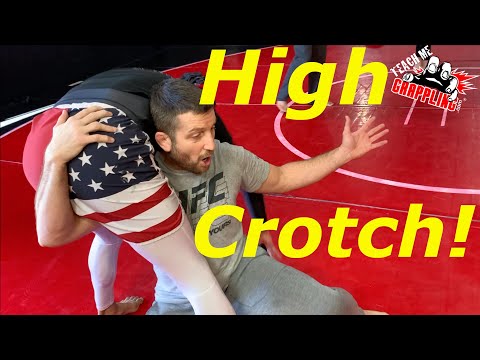
Teaching BEGINNERS "Elbow Control" for Takedowns! Part 2
0
Elbow Control·TeachMeGrappling Coach Brian
This video is from a class where I taught the elbow control tieup. Its a basic tieup to learn but the details make it q…
Перевод: elbow control
The Elbow Control family encompasses clinch positions where the attacker controls the opponent by gripping or cupping the elbow joint, using this mid-arm control point to steer, block, or redirect the opponent's movements. [1] Elbow control provides a mechanical advantage because the elbow is a rigid hinge joint — gripping it allows the controller to influence the entire arm's range of motion with relatively little force. [1],[2] Elbow cups and blocks are used defensively to prevent underhooks and offensively to set up transitions to deeper clinch positions. [2],[3]
Elbow control techniques are found across multiple martial arts traditions, from judo's sleeve and elbow grip fighting to Muay Thai's use of elbow frames in the clinch. [1] Wrestling coaches have long taught elbow control as a fundamental skill for managing distance and denying opponents inside position. [2],[3]
Elbow control positions provide effective mid-range clinch management, allowing the controller to steer the opponent's arm and disrupt their posture without fully committing to a grip. [1] Couture describes elbow control as particularly useful in MMA for preventing the opponent from establishing underhooks or generating power for strikes. [1]
Elbow control is a core tactic in judo competition, where grip fighting strategy determines the outcome of many matches at the Olympic and World Championship level. [1]
Изображений для этой техники пока нет.
Войдите, чтобы предложить изображение.
This video is from a class where I taught the elbow control tieup. Its a basic tieup to learn but the details make it q…
Учебных курсов по этой технике пока нет.
Войдите, чтобы предложить курс.
Риск травмы для человека, к которому применяется техника
Arm control positions limit opponent's offense; low direct injury risk
Уровень мастерства, необходимый для надёжного выполнения техники
Разрешена ли техника по основным соревновательным правилам
Freestyle Wrestling: A Complete Guide for Coaches and Wrestlers (Petrov, 1977)
Alias sources — [1] Wrestling Physical Conditioning Encyclopedia (Welker, 2010) [2] Muay Thai: The Art of Fighting (Kraitus & Kraitus, 1988) [3] Wrestling for Fighting (Couture, 2007)
Effectiveness sources — [1] Clinch Fighting for MMA (Couture, 2011)
Established Japanese martial arts naming convention — native Japanese term (和語/漢語)
Alias sources — [1] Wrestling Physical Conditioning Encyclopedia (Welker, 2010) [2] Muay Thai: The Art of Fighting (Kraitus & Kraitus, 1988) [3] Wrestling for Fighting (Couture, 2007)
Effectiveness sources — [1] Clinch Fighting for MMA (Couture, 2011)
swimming speed for inside position, shoulder drive, hip pressure
strong shoulders and low centre of gravity
deltoids, pectorals, core, quadriceps
Каждое движение в любом боевом искусстве обладает рядом универсальных свойств. Комбинируйте параметры ниже, чтобы найти нужный инструмент или сравнить аналоги из разных стилей.
The Inside Elbow Control subfamily covers positions where the attacker controls the opponent's elbow from the inside line, cupping or gripping the inner elbow to prevent the opponent from establishing underhooks or closing distance. [1] Inside elbow control acts as a frame that maintains distance and denies the opponent access to the attacker's body, making it a key defensive and transitional position. [1,2] From inside elbow control, the attacker can transition to underhooks, arm drags, or two-on-one positions. [2,3]
The Outside Elbow Control subfamily covers positions where the attacker controls the opponent's elbow from the outside line, gripping or cupping the outer elbow to redirect the opponent's arm outward and create openings. [1] Outside elbow control pushes the opponent's arm away from their centreline, weakening their defensive structure on that side and potentially exposing them to entries, body locks, or head control. [1,2] This position is often used in combination with collar ties or head position to create off-balancing opportunities. [2,3]
Coach Brian emphasizes applying pressure rather than constantly pulling on the elbow control. The goal is to keep pressuring your opponent while maintaining position, eventually forcing them to make a mistake without you having to attack aggressively.
Once you've established elbow control, the basic finish is to lift and pull your opponent. Coach Brian notes that the specific takedown you choose (duck under, etc.) can vary, but the fundamental setup and lift-and-pull mechanics remain the same.
Coach Brian advises beginners to focus first on getting comfortable holding the position and defending rather than immediately attacking. He emphasizes learning to control your opponent and keep your position before attempting explosive finishes.
The Elbow Control family encompasses clinch positions where the attacker controls the opponent by gripping or cupping the elbow joint, using this mid-arm control point to steer, block, or redirect the opponent's movements. Elbow control provides a mechanical advantage because the elbow is a rigid hinge joint — gripping it allows the controller to influence the entire arm's range of motion with relatively little force.
Elbow control techniques are found across multiple martial arts traditions, from judo's sleeve and elbow grip fighting to Muay Thai's use of elbow frames in the clinch. Wrestling coaches have long taught elbow control as a fundamental skill for managing distance and denying opponents inside position.
Unified MMA: разрешён — Legal — clinching is integral to MMA; IJF: разрешён — Legal — kumi-kata (grip fighting) is fundamental to judo; IBJJF: разрешён — Legal — standing grip fighting and clinch work permitted; IFMA: разрешён — Legal — the clinch is a core element of Muay Thai, clinch dominance is highly…; WBC/Boxing: ограничен — Holding is technically a foul — referee breaks clinch, excessive holding resu…; K: ограничен — 1/GLORY — One attack from clinch allowed, then referee breaks; WAKO: ограничен — Clinch generally broken by referee — limited or no clinch fighting in most fo…; UWW: разрешён — Legal — clinch is fundamental to wrestling, the primary position in Greco-Roman
Оценка опасности 3/10. Moderate — arm control positions limit opponent's offense; low direct injury risk
Стандартная цепочка подготовки: Close Distance → Establish Primary Grip → Position the Hips → Apply Pressure.
Стандартные контрприёмы: Pummeling — fight for inside position by swimming arms under opponent's grips / Frame and Push — create distance using forearm frames against the chest or neck / Grip Break — systematically strip the opponent's controlling grips / Posture Up — straighten the spine and drive the hips forward to break clinch control.
Распространённые варианты: Single underhook (one arm inside for angle and control); Double underhooks (both arms inside for maximum inside position); Underhook with collar tie (combining the underhook with head control).
Elbow control is a core tactic in judo competition, where grip fighting strategy determines the outcome of many matches at the Olympic and World Championship level.
Основные ошибки, на которые стоит обратить внимание: Gripping the elbow with a flat palm instead of cupping — the cup grip controls direction, the flat palm just pushes / Controlling the elbow without head or body positioning — elbow control alone is incomplete; combine it with head pres… / Pulling the elbow without changing your feet — footwork must complement the grip action / Using elbow control at full arm extension — keep your arm bent for stronger leverage.
Elbow Control также известен как Hiji Seigyo, Elbow Tie, Elbow Cup, Elbow Grip.