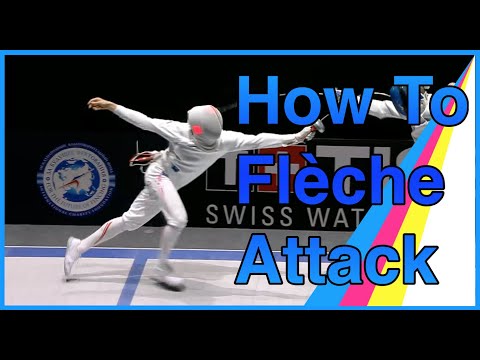
How To Flèche Attack - Epee Fencing
0
Флеш·Fencer's Edge
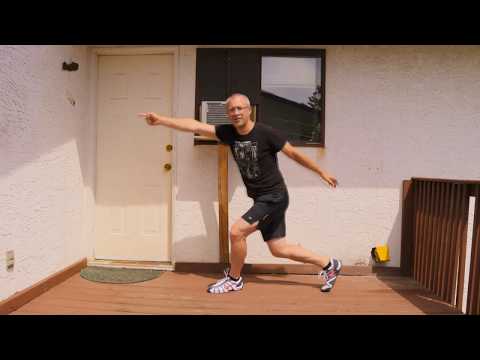
In this video I go over how to preform a Flèche attack in Epee Fencing. Thanks for watching! As always, please like, sh…
Translation: Стрелова атака
Флеш (от френски 'стрела') е експлозивна бягаща атака, при която фехтовачът изхвърля задния крак покрай предния, тласкайки тялото напред в спринтиращо движение с цел бързо скъсяване на дистанцията. [1] За разлика от лунжа, при който се запазва възстановима стойка, флеш ангажира цялото тяло на фехтовача напред. [1] Използва се в състезания по епе и флорет, но е забранен в съвременното фехтуване с сабя. [1]
Флеш остава основна техника в съвременното състезателно фехтуване и историческото фехтуване с оръжие. [1]
Използван в международни фехтовални състезания на FIE
No images yet for this technique.
Sign in to suggest an image.
In this video I go over how to preform a Flèche attack in Epee Fencing. Thanks for watching! As always, please like, sh…
What options are available to you when your opponent attacks low to your foot in epee? You can displace target and prese…
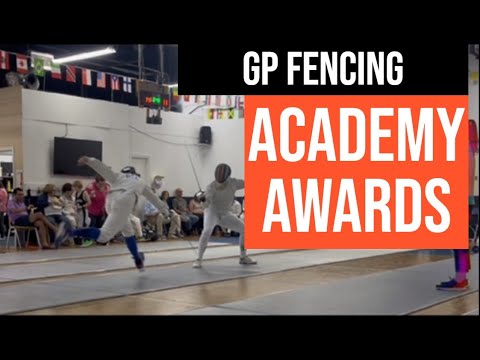
The fleche is an explosive, surprise attack designed to close distance rapidly and catch an opponent unprepared, making it particularly valuable in épée but restricted in foil (where priority rules work against it) and prohibited in sabre (due to crossing feet). OSM Fencing and Fencer's Edge provide complementary technical instruction: both emphasize initiating from a deep knee bend in on-guard position, with arm extension leading the movement. Fencer's Edge stresses that the arm must fully extend first—critical in épée—followed by front shoulder drop and back hand reach to maximize distance, then explosive push-off with the back leg to drive forward while turning shoulders to minimize target area. OSM Fencing adds that the fleche involves leaning forward to build momentum before pushing with the back leg until nearly falling, then crossing over while accelerating. Both instructors agree the fleche should be driven forward, not upward, and executed from proper distance (Fencer's Edge notes hitting the target before or as the front foot lands). OSM Fencing addresses defensive application: using fleche against foot attacks by first withdrawing the target and extending the arm to present line, then performing the fleche at an angle rather than directly ahead. Fencer's Edge introduces fleche variants with opposition (four and six positions) and small-finger-controlled disengages to counter defensive parries. GP Fencing's content emphasizes the 'toe fleche'—a flashy variant targeting the foot—demonstrating the technique's adaptability across target areas.
Synthesized from 3 instructors
No instructional courses yet for this technique.
Sign in to suggest a course.
Risk of injury to the person this technique is applied to
Спортно фехтуване със защитно оборудване; исторически летален с остри оръжия
Skill level needed to execute this technique reliably
Whether this technique is allowed under major competition rule sets
Fencing (Pollock, Grove & Prevost, 1902)
description, historyOrigin: sourced from Pollock, W
description, historyOrigin: sourced from Pollock, W
Изисква добра екстензия на ръката
Бърза реакция
Баланс и работа с крака
Флеш се среща в нашия корпус: 'Друго приближаващо движение е флеш (което означава стрела на френски), считано за експлозивна, бягаща атака, използвана само при фехтуване с флорет и епе.' Атакуващият се изхвърля напред в спринтиращо движение покрай противника. Забранен при фехтуване със сабя — заменен от флундж. (Biomechanics of Human Motion, 2nd Ed.)
In épée, it is absolutely crucial that your arm fully extends first when you start the flèche attack, according to Fencer's Edge. This arm extension must happen before or simultaneously with your body movement to avoid being countered.
Present line with a relaxed shoulder, then lean forward and push with your back leg until you feel like you're about to fall over, then cross over while accelerating with your back. Your front shoulder should drop toward the target area, and you must maintain a bent front knee as you drive forward, according to OSM Fencing and Fencer's Edge.
Common mistakes include keeping shoulders squared off to your opponent instead of rotating them, standing up and pushing upward instead of staying low, failing to do the upper body lean, and attempting the flèche from too far away. The upper body lean is crucial because it moves you closer to the target and gives you forward momentum, according to Fencer's Edge.
You can flèche with opposition to protect yourself from counterattacks. If your opponent attacks inside your arm, use opposition four by moving your wrist over; if they attack outside your arm, use opposition six. This protects your body while still allowing you to make the touch, according to Fencer's Edge.
Флеш (от френски 'стрела') е експлозивна бягаща атака, при която фехтовачът изхвърля задния крак покрай предния, тласкайки тялото напред в спринтиращо движение с цел бързо скъсяване на дистанцията. За разлика от лунжа, при който се запазва възстановима стойка, флеш ангажира цялото тяло на фехтовача напред.
Флеш е кодифициран в европейски фехтовални трактати от XVI век нататък. Италианските и френските школи развиват техниката до съвременния ѝ вид в продължение на векове на усъвършенстване.
FIE: легална — Разрешена фехтовална техника — регламентирана от правилата на FIE за флорет, …; HEMA: легална — Разрешена в исторически фехтовални състезания
Оценка на опасност 3/10. Спортно фехтуване със защитно оборудване; исторически летален с остри оръжия
Стандартната верига за подготовка: Ан гард → Подготовка → Флеш → Възстановяване.
Стандартните контри включват: Контрапарад / Управление на дистанцията / Стоп-удар.
Чести варианти: Директен флеш; Индиректен флеш; Съставен флеш.
Използван в международни фехтовални състезания на FIE
Основни грешки, за които да внимавате: Прекомерно разтягане / Телеграфиране на действието / Лошо възстановяване.
Флеш е известна също като Furesshu, Флеш, Бягаща атака, Атака флеш.