Outside Block Applications with Bo
The outside block (ude-uke) performed with an empty hand has multiple applications beyond blocking punches. This principle transfers directly to bo staff techniques, where the same movement patterns serve defensive and offensive purposes in kata and practical application.
Primary Applications: Thrusts and Strikes
The bo outside block primarily addresses incoming thrusts or strikes from various angles. Practitioners can use this block to deflect attacks while simultaneously shifting off the line of attack, creating opportunities for counterattacks.
Close-Range Neck Control Setup
At closer range, the instructor demonstrates using the bo to make contact with the opponent's neck and side of head. This initial contact sets up further control by creating a natural defensive reaction in the opponent to move away from the pressure point.
Coil Motion and Neck Pressure
The practitioner applies the same coiling motion used in traditional empty-hand blocking, pressing the bo against the opponent's neck. As the opponent reacts to escape the pressure, the defender shifts position and begins transitioning into a choke application.
Transition to Arm Lock and Choke
The defender hooks the bo around the opponent's head while maintaining pressure on the jaw and neck. By keeping no gap between the arm and head, the practitioner can simultaneously lock the opponent's arm while applying pressure to the face and neck.
Ground to Strike Sequence
Beginning from a grounded position, the practitioner rises into the strike as the opponent attacks. The defender pulls the opponent's arm away while controlling the wrist, establishing a locked position before proceeding with the choke application.
Grip Placement for Maximum Control
Proper grip placement on the bo near the opponent's neck is critical for effective control. Gripping too high on the staff reduces leverage and control, while a low grip close to the contact point maintains tension and prevents escape.
Maintaining Contact During Resistance
As the opponent grips the practitioner's arm to escape, the defender maintains contact with the bo against the back of the opponent's neck without pulling away. This sticky contact preserves the lock and prevents the opponent from relieving pressure.
Final Choke Application
The practitioner wraps the bo across the opponent's body while pressing with the forearm against the cheek and jaw. By bracing the opponent's head against the practitioner's chest or applying combined pressure from multiple points, the choke becomes fully secured.
Functional Kobudo: Outside Block (Ude-Uke) with Bo
Key Takeaways
- •Outside Block Applications with Bo
- •Primary Applications: Thrusts and Strikes
- •Close-Range Neck Control Setup
- •Coil Motion and Neck Pressure
This video looks at some close range applications for the outside block with bo.
Frequently Asked Questions
What does this video teach about bo block?
This video covers outside block applications with bo, primary applications: thrusts and strikes, close-range neck control setup. It provides detailed instruction from Steel Mace Karate.
How long does it take to learn bo block?
The basic mechanics can be understood in a single session, but developing reliable execution requires consistent drilling over weeks of practice. This 9-part breakdown helps structure your training by isolating each phase of the technique.
What are the key details for finishing bo block?
As the opponent grips the practitioner's arm to escape, the defender maintains contact with the bo against the back of the opponent's neck without pulling away. This sticky contact preserves the lock and prevents the opponent from relieving pressure.
Related videos
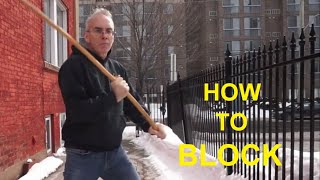
How To Block With A Bo Staff
Badger Jones
The Bo - Sliding secret strike
The Dojo Martial Arts - Budo Taijutsu, Mason, Ohio
Ultimate Bo | SHORT LESSON: Down Thrust + Reverse Sweep + Baseball Bat Combination
Global Martial Arts University
How to Check Sweep in Sparring
Sensei Ichi

Shaolin Kung Fu Wushu Basic Form Training For Beginners
Master Song Kung Fu