Introduction to the Can Opener
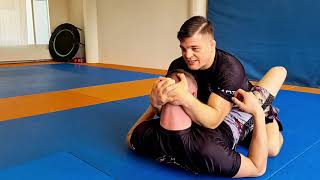
The can opener is presented as one of the most effective submissions in jiu-jitsu, though it has been banned in many competitions due to its potency. The technique is noted for its reliability in forcing submissions and is discouraged in casual training due to the friendships it may damage.
Why Competitions Outlawed the Technique
The can opener was prohibited in competitive jiu-jitsu specifically because it presents a dangerous neck submission that competitors could not effectively defend against. The technique's ban underscores its effectiveness as a submission option from top guard, a position where submission options are otherwise limited.
Three Variations of the Can Opener
The can opener can be executed in three distinct ways: rolling the opponent into the position, lifting them while applying a squeeze, or using a cranking motion. Each variation begins with establishing head control and applies pressure to the neck through different mechanical approaches.
Basic Execution and Head Control
The technique begins by securing the back of the head with one hand, positioned fairly high on the neck. The practitioner then applies lifting and rotational pressure to create the submission threat.
Managing Opponents with Spinal Flexibility
Some practitioners with extreme spinal flexibility may not feel the traditional pressure from the can opener, necessitating either cessation of the technique or introduction of rotational cranking elements. In training scenarios, practitioners should prioritize the safety of the opponent's spine and respect their need to tap out.
Hip Control and Prevention of Escapes
The instructor emphasizes controlling the opponent's hip with the knees to prevent them from scooping out of the position or creating distance. Tight knee control against the opponent's hip ensures the submission remains viable even if they attempt to push away or create leverage.
Safety Considerations and Tapout Protocol
All spinal manipulation techniques require slow, careful execution with the understanding that the opponent must tap immediately when pressure is applied. The neck's vulnerability means that damage can persist for weeks, making it critical that practitioners tap when threatened by this submission.
Skill Level and Legal Status
The can opener should be permitted at blue belt and above, where practitioners possess sufficient understanding to execute and defend against the technique responsibly. The submission represents one of the few viable options from top closed guard and should be part of comprehensive jiu-jitsu curricula for sport and self-defense applications.
Can Opener - Illegal BJJ Submission Neck Crank from Top Guard advanced Grappling for MMA - CanOpener
Key Takeaways
- •Introduction to the Can Opener
- •Why Competitions Outlawed the Technique
- •Three Variations of the Can Opener
- •Basic Execution and Head Control
Related Techniques
Frequently Asked Questions
What does this video teach about standard can opener?
This video covers introduction to the can opener, why competitions outlawed the technique, three variations of the can opener. It provides detailed instruction from Peter Mettler Martial Arts.
How long does it take to learn standard can opener?
The basic mechanics can be understood in a single session, but developing reliable execution requires consistent drilling over weeks of practice. This 8-part breakdown helps structure your training by isolating each phase of the technique.
What are the key details for finishing standard can opener?
All spinal manipulation techniques require slow, careful execution with the understanding that the opponent must tap immediately when pressure is applied. The neck's vulnerability means that damage can persist for weeks, making it critical that practitioners tap when threatened by this submission.
Related videos
Can Opener - Illegal BJJ Submission Neck Crank from Top Guard advanced Grappling for MMA - CanOpener
Peter Mettler Martial Arts
Easiest way to open the closed guard!
Mastery Jiu-Jitsu
Can Opener - Illegal BJJ Submission Neck Crank from Top Guard advanced Grappling for MMA - CanOpener
Peter Mettler Martial Arts
The Easiest Way to do the Twister
Stephan Kesting
The Crossface Cradle - Yes, it is Osaekomi
The Judokai Network