Introduction to the Can Opener
The can opener is one of the most effective submissions available from top closed guard, though it has been banned in many competitive BJJ rulesets due to its dangerous nature. This technique targets the neck and spine, making it a powerful tool for advanced grapplers and MMA practitioners.
Why the Can Opener Matters
The can opener demonstrates why submissions from top guard are rare in modern competition—the technique was outlawed specifically because of its effectiveness. Its dangerous nature and high success rate make it a crucial addition to any advanced grappler's arsenal.
Fundamental Setup: Head Control
The can opener requires only head control as its foundation. From top guard, the instructor secures the back of the opponent's head relatively high, then executes one of three distinct variations of the submission.
Three Submission Variations
The first variation involves rolling the opponent into the pressure. The second requires lifting the opponent's head upward while applying a squeeze. The third, and preferred variation, combines lifting with a rotational crank for maximum effectiveness.
Executing the Preferred Crank Method
From top guard with head control secured, the instructor drives an elbow inward while lifting the opponent's head toward his body. This motion creates a powerful neck crank that forces the opponent to submit or risk serious injury.
Dealing with Flexible Opponents
Some opponents may not feel the submission due to exceptional spinal flexibility. In these cases, the instructor should release the hold immediately and either progress the position or transition to a different submission like a guillotine.
Critical Hip Control
To prevent the opponent from escaping via hip scoop, the instructor must use knee pressure to control the opponent's hips while pulling them toward his own body. Tight knee control ensures the can opener remains inescapable and effective.
Handling Long-Armed Opponents
Against opponents with exceptionally long arms, the instructor should lift them higher and drive downward with controlled force. This adjustment prevents the opponent from pushing the head away and maintaining defense.
Safety Protocol and Responsible Practice
All spinal and neck manipulations must be performed slowly and with careful control, with the understanding that opponents must tap immediately when in danger. This is particularly critical since neck injuries do not heal quickly and pose serious long-term risks.
Legal Status and Training Recommendations
While banned in most BJJ competitions, the can opener should be legal for blue belts and above, and is entirely legal in MMA contexts. The technique deserves inclusion in every advanced grappler's curriculum, particularly for self-defense and combat sports applications.
Can Opener - Illegal BJJ Submission Neck Crank from Top Guard advanced Grappling for MMA - CanOpener
Key Takeaways
- •Introduction to the Can Opener
- •Why the Can Opener Matters
- •Fundamental Setup: Head Control
- •Three Submission Variations
Frequently Asked Questions
What does this video teach about can opener from closed guard top?
This video covers introduction to the can opener, why the can opener matters, fundamental setup: head control. It provides detailed instruction from Peter Mettler Martial Arts.
How long does it take to learn can opener from closed guard top?
The basic mechanics can be understood in a single session, but developing reliable execution requires consistent drilling over weeks of practice. This 10-part breakdown helps structure your training by isolating each phase of the technique.
What are the key details for finishing can opener from closed guard top?
All spinal and neck manipulations must be performed slowly and with careful control, with the understanding that opponents must tap immediately when in danger. This is particularly critical since neck injuries do not heal quickly and pose serious long-term risks.
Related videos
Easiest way to open the closed guard!
Mastery Jiu-Jitsu
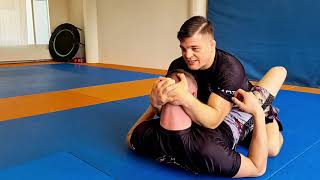
Can Opener - Illegal BJJ Submission Neck Crank from Top Guard advanced Grappling for MMA - CanOpener
Peter Mettler Martial Arts
Can Opener - Illegal BJJ Submission Neck Crank from Top Guard advanced Grappling for MMA - CanOpener
Peter Mettler Martial Arts
The Crossface Cradle - Yes, it is Osaekomi
The Judokai Network
Keep Connection From Top Turtle Against Your Opponent by Jason Scully - BJJ Grappling
The Grapplers Guide by Jason Scully