Introduction to the Philly Shell
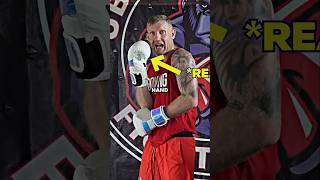
The Philly Shell is a tactical defensive position that extends beyond pure defense to encompass counter-punching opportunities. This stance serves as an effective alternative to standard European boxing or peek-a-boo styles, offering particular advantages to counter-punchers with appropriate speed and limb length. Mastering this technique requires understanding common mistakes and systematic refinement.
Chin Positioning: Center Line Fundamentals
The chin must remain tucked along the center line of the chest regardless of body angle or blade stance. Positioning the chin sideways toward the collarbone reduces shoulder coverage and mobility. Maintaining center-line chin position increases defensive depth by approximately one inch—a critical margin when accounting for glove thickness and punch angles.
Right-Side Defense Prerequisites
Before transitioning to the Philly Shell, practitioners must establish solid defensive fundamentals on the rear side. This includes proper jab interception, lead hook coverage, and protection against shovel hooks and body strikes. Weaknesses on this side often mask as Philly Shell deficiencies but actually reflect insufficient fundamental defense work.
The Shoulder Roll Mechanics
The shoulder roll deflects incoming punches through precise shoulder elevation or rotation, depending on opponent positioning. Practitioners must execute minimal movement while maintaining continuous visual contact with the opponent. The objective is to use glove surface area for deflection rather than precision blocking.
Opponent Height and Trajectory Analysis
Defensive positioning varies significantly based on opponent height and punch trajectory. Same-height opponents throwing straight punches require minimal adjustments, while taller opponents or those throwing overhead rights demand increased body angle and backward positioning. Practitioners should develop awareness across multiple scenarios: same-height straight punches, same-height hooks, taller-opponent straights, and taller-opponent overhands.
Visual Maintenance During Defense
Keeping eyes forward on the opponent is essential during all shoulder roll variations. The lead hand can assist defensive coverage when practitioners lack confidence in pure shoulder rolling technique. Visualization drills help develop the nuanced positioning required across different opponent heights and punch angles.
Philly Shell Boxing | 10 Ways to Master This Style | Supreme Defense
Key Takeaways
- •Introduction to the Philly Shell
- •Chin Positioning: Center Line Fundamentals
- •Right-Side Defense Prerequisites
- •The Shoulder Roll Mechanics
This document contains all playlists at each level of the membership: https://docs.google.com/document/d/1-IiC9KYudG6TmyRusm_DW1PrW--kmPnx?rtpof=true&usp=drive_fs Learn more! https://precisionstriking.com/ JOIN the membership! Boxing Training and Workouts at the most affordable price! https://www.youtube.com/channel/UC4PwJo76WpTOk-3N8dazt1A/join Level 1: Past Livestreams, Exclusive Workout Videos, Boxing Drills Level 2: Boxing Workouts (Includes DE Bag and Jump Rope Training Camp} Level 3: Beginner Boxer's Portal: Comprehensive training for true beginners Level 4: Week Long Boxing Training Camps to discover your potential Level 5: Reviews and feedback on your boxing training and technique Level 6: Comprehensive Instructional Videos (Footwork, Head Movement, Defense, Padwork etc.) THE BEST BOXING APP iTunes https://apps.apple.com/us/app/precision-boxing-coach-pro/id702519995?ls=1
Related Techniques
Frequently Asked Questions
What does this video teach about shoulder roll defence?
This video covers introduction to the philly shell, chin positioning: center line fundamentals, right-side defense prerequisites. It provides detailed instruction from Precision Striking.
How long does it take to learn shoulder roll defence?
The basic mechanics can be understood in a single session, but developing reliable execution requires consistent drilling over weeks of practice. This 6-part breakdown helps structure your training by isolating each phase of the technique.
What are the key details for finishing shoulder roll defence?
Defensive positioning varies significantly based on opponent height and punch trajectory. Same-height opponents throwing straight punches require minimal adjustments, while taller opponents or those throwing overhead rights demand increased body angle and backward positioning. Practitioners should develop awareness across multiple scenarios: same-height straight punches, same-height hooks, taller-opponent straights, and taller-opponent overhands.
Related videos
![How To Do The Shoulder Roll | Philly Shell Secrets. [Boxing Minute]](https://img.youtube.com/vi/Y2nojP2ZDRE/mqdefault.jpg)
How To Do The Shoulder Roll | Philly Shell Secrets. [Boxing Minute]
Coach Anthony

Learn THE REASON James Toney Philly Shell worked so good | Skillr Boxers - EP 40
Skillr Boxing

Philly Shell Defense | Boxing | How To | Boxing Tutorial
Coach Anthony
How To PERFECT Philly Shell Boxing Stance
Tony Jeffries

How To Use The PHILLY SHELL and The SHOULDER ROLL Explained (Pro Striking Breakdown)
Pro Striking