Foundation and Structure
The jab is built entirely on proper foundational structure. The technique uses the lead foot with the corresponding striking hand, and this structural integrity applies regardless of stance switching.
Stance Width and Hip Alignment
A wider base is essential to facilitate follow-up attacks such as crosses, rear kicks, and knees. The hips must remain oriented toward the opponent to minimize the distance required for rear-hand weapons to reach the target.
Optimal Hand Position and Cover
Punches should travel from the face to the target and return to the face, maintaining continuous cover. The rear hand protects the face while the striking arm extends, ensuring defensive capability after every strike.
Protective Head Position
The jaw must drop into the shoulder as part of the cover system, and the head must remain low throughout the strike. This protective positioning is non-negotiable and mirrors drawing back a bow before firing.
Upper Body Rotation and Range
Rotating the upper torso into the strike increases range by three to four inches compared to arm-only punches. This rotation must maintain awareness of the base to ensure seamless transitions to other ranges and attacks.
Integrated Combat Application
The jab does not exist as an isolated technique but functions within a multi-threaded system of attacks, combinations, and defensive coverage. All structural elements must remain in play to ensure effectiveness and survival against multiple angles of attack.
Wing Chun Vertical Fist Variation
The vertical fist is a hip-driven strike with the elbow connected directly to the hip rotation, resulting in the fastest and most powerful variation. The strike must remain completely vertical from inception, with the elbow tucked in and the path traveling directly from face to target and back.
Relaxation Through Impact
The body remains relaxed throughout the striking motion, with tension applied only at the moment of impact. This approach enables a clean, efficient line of strike with maximum speed and penetration.
Rear Hand Cover and Multi-Directional Defense
The rear hand cover protects against kicks, strikes, and multi-opponent scenarios by maintaining position near the body. This positioning prevents opponents from accessing the back while guarding vital organs against attacks from any angle.
The Jab - Striking Tools Video Example
Key Takeaways
- •Foundation and Structure
- •Stance Width and Hip Alignment
- •Optimal Hand Position and Cover
- •Protective Head Position
Ming details the Core JKD Jab. The specific technique and how to execute it and the Wing Chun Vertical Fist. This is a segment taken from the extensive Core JKD Striking Tools video—2.5 hours of detailed instruction on how to efficiently use and train your arsenal of striking tools in the kicking, boxing and clinch range. How to find the best jab position for your body, when to use, and how to use it against different sized and style of opponents. For more information on the full video, check out http://corejkd.com/striking-tools-video/ Get Free Updates And Current Blog Articles On Self Defense And Training From The Core JKD website: http://corejkd.com =================================== Social Media Links: Core JKD’s Facebook: https://www.facebook.com/corejkd/ Core JKD’s Instagram: https://www.instagram.com/corejkd/ Core JKD’s Twitter: https://twitter.com/corejkd
Related Techniques
Frequently Asked Questions
What does this video teach about standard jab?
This video covers foundation and structure, stance width and hip alignment, optimal hand position and cover. It provides detailed instruction from corejkd.
How long does it take to learn standard jab?
The basic mechanics can be understood in a single session, but developing reliable execution requires consistent drilling over weeks of practice. This 9-part breakdown helps structure your training by isolating each phase of the technique.
What are the key details for finishing standard jab?
The body remains relaxed throughout the striking motion, with tension applied only at the moment of impact. This approach enables a clean, efficient line of strike with maximum speed and penetration.
Related videos
TECHNIQUE OF THE JAB
PRIDE MARTIAL ARTS
American Combato | Lesson #7 | The Side Kick, Chin-Jab Attack Combination
Real World Self Defense
4 Tips for KO Power in your Jab
Tony Jeffries
Master the Jab to the Body
Tony Jeffries
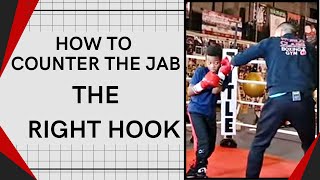
How To Counter The Jab With The Right Hook - Southpaw vs Orthodox
World Class Boxing Channel