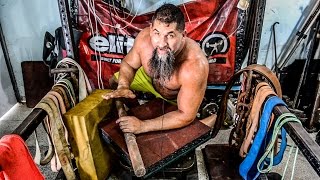
Foundation: Elbow Energy Originates From the Shoulder
Wing Chun elbow power is not generated from the elbow itself, but from proper shoulder mechanics. Understanding this foundational principle is essential before developing heavy elbow techniques. The shoulder serves as the root system that enables true elbow energy.
The Two Essential Components of Elbow Power
Effective elbow technique requires two critical elements: rootedness and forward energy projection. Rootedness prevents energy dissipation, while forward energy drives all offensive and defensive applications. Both must be present simultaneously for proper execution.
Establishing Shoulder Root: Scapular Positioning
The scapula must be tucked under and drawn downward to create the foundation for elbow power. Shoulders are held down with the deltoid muscles stretched and relaxed, never elevated. This positioning is the prerequisite for developing true elbow rootedness.
Critical Error: Pressing the Elbow Downward
Beginners commonly mistake pressing the elbow down as the correct technique, but this creates disconnection rather than power. Pressing the elbow chases the hands and disrupts proper structure. The shoulder must descend instead, while the elbow maintains its natural alignment.
Forward Energy: The Elbow as Engine
The elbow functions as the engine driving all movement, while the hands serve merely as the extension point. Visualize the elbow as the rear propulsion of a boat, with the hands representing only the bow. This mental model ensures the elbow remains behind all effort in strikes and defenses.
Unified Application: Offense and Defense as One
In Wing Chun methodology, punches and defensive movements operate from identical mechanical principles. Both applications require the elbow positioned behind the effort, creating simultaneous attack and defense. This integration is fundamental to the system's efficiency.
Synthesis: Integration of Root and Forward Energy
Proper elbow power combines shoulder rootedness with forward elbow-driven energy in seamless coordination. The shoulder establishes the root by remaining down and connected to the body's base, while the elbow drives power forward without pressing downward. This balance creates the characteristic heavy elbow quality in Wing Chun applications.
Wing Chun Elbow Power(Energy): How to Develop Heavy Elbows!
Key Takeaways
- •Foundation: Elbow Energy Originates From the Shoulder
- •The Two Essential Components of Elbow Power
- •Establishing Shoulder Root: Scapular Positioning
- •Critical Error: Pressing the Elbow Downward
Wing Chun elbow energy (power) consists of two important priorities. In this Wing Chun lesson, I break down exact what those two focuses are so that you can understand how to develop these qualities in you! ▬ Contents of this video ▬▬▬▬▬▬▬▬▬▬ 0:00 - INTRO - How to train the Wing Chun Ring 0:31 - There are 2 things the elbow must embody 1:15 - #1 - Heavy Elbow and how to develop it 1:55 - The shoulder is the elbow root 2:18 - Your shoulder is your root 2:34 - #2 - Forward energy from the elbow 2:54 - Elbow drives the punch (speed boat analogy) 3:27 - The elbow is always behind the effort 4:03 - Your punches are your defense and your defenses are your punches #wingchunelbow #wingchunelbows #elbowenergy #heavyelbows ▬ WING CHUN LESSONS (http://www.wingchunlessons.com) ▬▬▬▬▬▬▬▬▬▬▬▬ WING CHUN LESSONS is the online branch of The Dragon Institute. You can start learning Wing Chun online through our 90-day Wing Chun course at wingchunlessons.com. More Info - The Course Includes: 1) 12 Lessons, 12 Quizzes and a Final Exam After each lesson, students are required to demonstrate their knowledge and understanding by passing quizzes. This ensures material has been learned properly. After successful completion, the next lesson becomes available. 2) Siu Nim Tao (Sil Lim Tao) You will learn Wing Chun's first and most important form (Siu Nim Tao) explained and demonstrated by Sifu Adam Williss. This includes the specific details of all three sections of Siu Nim Tao broken down with the quality standards which The Dragon Institute is recognized. 3) Wing Chun Structure Detailed insights and make-sense explanations of Wing Chun structure by Sifu Adam Williss. The foundation of good Wing Chun, structure opens the door to being able to handle bigger/stronger opponents. In this course, you will learn the specifics of developing legit Wing Chun structure. 4) Wing Chun Dummy Form You will learn the Wing Chun wooden dummy including highly detailed demonstrations and explanations of both handwork and footwork. You will then be placed on a systematic program which increases your muscle memory to these dummy movements and postures. (Note: You do not need a wooden dummy to learn this). 5) Simultaneous Attack & Defense Applications Game-changing simultaneous attack and defense applications against hard punches. These teach how to apply very important Wing Chun concepts as you learn how to use Wing Chun in order to immediately place an attacker on the defensive. 6) Intro to Chi Sao - The 5 Energies Learn the 5 major categories of pressure with specifics on how to efficiently respond to them. Traditionally reserved for the most loyal students, our online Wing Chun training holds nothing back by providing you with the exact recipe for achieving simple, efficient, pin-point counter-attacks to stimuli. Sign up at http://www.wingchunlessons.com ▬ Social Media ▬▬▬▬▬▬▬▬▬▬▬▬▬▬▬ ► Facebook: https://www.facebook.com/wingchunlessons/ ► Instagram: https://www.instagram.com/wing.chun.lessons ▬ About Sifu Adam Williss ▬▬▬▬▬▬▬▬▬▬▬▬▬▬▬ Sifu Adam Williss is the founder of Dragon Family Wing Chun. His school, The Dragon Institute, is an integrative mind, body and spirit educational center. He has built a network of followers around the world. Known for his uncompromising dedication to quality, Sifu Adam is one of the most followed experts in Kung Fu today. For more information, visit https://www.dragoninst.com/about/adamwilliss/
Frequently Asked Questions
What does this video teach about standard twelve-six elbow?
This video covers foundation: elbow energy originates from the shoulder, the two essential components of elbow power, establishing shoulder root: scapular positioning. It provides detailed instruction from Sifu Adam Williss.
How long does it take to learn standard twelve-six elbow?
The basic mechanics can be understood in a single session, but developing reliable execution requires consistent drilling over weeks of practice. This 7-part breakdown helps structure your training by isolating each phase of the technique.
What are the key details for finishing standard twelve-six elbow?
In Wing Chun methodology, punches and defensive movements operate from identical mechanical principles. Both applications require the elbow positioned behind the effort, creating simultaneous attack and defense. This integration is fundamental to the system's efficiency.