Recognizing the Setup Position
The waiter sweep is an effective counter when an opponent jumps over the leg while you maintain either a collar grip or belt control in the dela hiva position. This defensive transition allows the practitioner to move from a compromised position into an offensive opportunity without surrendering control.
Waiter Sweep vs. Deep Half Guard
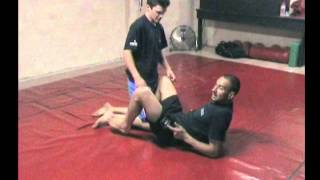
Unlike deep half guard where the opponent sits heavily on the defender, waiter sweep maintains distance through proper positioning. The defender's knee acts as a shield, providing safety and the ability to create separation by driving the knee outward throughout the technique.
Transitioning from Defense to Attack
Once in waiter sweep position, the dangling foot becomes ineffective and must be repositioned. The practitioner hooks the opponent's hip with the free leg, establishing control that will enable the subsequent back take and preventing the opponent from escaping sideways.
The Hip Hook and Body Roll
With the hip hook established, the defender initiates a chest escape by moving the head away from the opponent while using the knee to create pressure on the opponent's knee joint. This combination forces the opponent's knee downward as the defender rolls, compressing the leg and making escape impossible.
The Back Step Entry
As the roll continues, the defender's knee naturally points in the direction of movement, serving as an indicator to complete the technique. The practitioner back steps the leg over the opponent's body, securing a dominant back position with both hooks established.
Finishing Positions and Grip Options
Once the back is taken, the defender can choose between sitting up to establish hooks or maintaining the leg drag position for immediate submission attempts. The seat belt grip is preferred for its security and efficiency in controlling the opponent during the transition.
Handling the Scramble Response
If the opponent recognizes the back take is imminent and attempts to escape through a front roll or scramble, the defender simply follows the movement while maintaining contact. The pressure on the opponent's trapped leg limits their mobility and ensures the practitioner remains in a dominant position.
Rafael Mendes | Backtake Variation from Waiter Sweep | artofjiujitsu.com
Key Takeaways
- •Recognizing the Setup Position
- •Waiter Sweep vs. Deep Half Guard
- •Transitioning from Defense to Attack
- •The Hip Hook and Body Roll
http://www.artofjiujitsu.com http://www.artofjiujitsu.com/seminars -- http://www.instagram.com/artofjiujitsu http://www.instagram.com/mendesbros
Related Techniques
Frequently Asked Questions
What does this video teach about waiter sweep?
This video covers recognizing the setup position, waiter sweep vs. deep half guard, transitioning from defense to attack. It provides detailed instruction from ART OF JIU JITSU.
How long does it take to learn waiter sweep?
The basic mechanics can be understood in a single session, but developing reliable execution requires consistent drilling over weeks of practice. This 7-part breakdown helps structure your training by isolating each phase of the technique.
What are the key details for finishing waiter sweep?
Once the back is taken, the defender can choose between sitting up to establish hooks or maintaining the leg drag position for immediate submission attempts. The seat belt grip is preferred for its security and efficiency in controlling the opponent during the transition.
Related videos
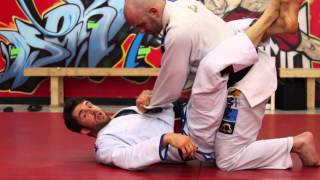
Standing Closed Guard Sweep : Waiter Sweep
Chewjitsu
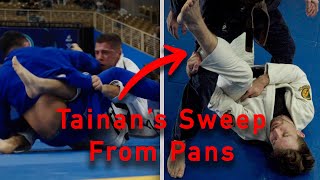
Learn The Waiter Sweep Tainan Dalpra Used To Win Pans
Paragon Jiu-Jitsu Academy Austin
Defense Against The Homer Simpson Choke (Battery Choke)
Fight Commentary Grappling
Japanese Jiu-Jitsu Takedown to Deep Half Guard Attacks
TRITAC Martial Arts
4 Purple Electric Chair Sweep
Groundworx Freestyle Jiu-Jitsu