Introduction to Strong Side Position
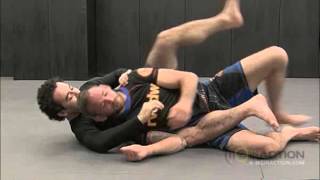
When the opponent lies on their side with the instructor's choking arm positioned on that side, the strong side position is established. This configuration eliminates the arm trap option but creates a more defensible position overall. Understanding strong side mechanics requires different tactical approaches than the weak side.
Body Triangle Foundation
From the strong side, the instructor immediately transitions to a body triangle by stepping on the opponent's hip and bringing the leg across. The positioning prevents the common escape where opponents pass the arm over and move upward. Maintaining the body triangle creates the structural foundation for all subsequent hand-fighting options.
Camarillo Grip Break
The Camarillo grip break, named after Dave Camarillo, uses an S-grip or shoulder blade block to break the opponent's defensive hold. This grip break is executed by reaching over the opponent's arms from the strong side position. Once the grip breaks, the instructor can reestablish the seatbelt control and transition the opponent back toward the weak side.
Seatbelt Sneak Technique
The seatbelt sneak involves carefully threading the top arm underneath the opponent's defenses by sneaking the forearm upward. Once positioned, the arm pops up to unlock any defensive hooks, including the finish hook if necessary. This method provides an alternative when conventional grip breaks are unsuccessful.
Transition to Chair System
When hand fighting proves ineffective and body triangle control deteriorates, the instructor transitions to the chair system while maintaining the seatbelt grip. The elbow slides back to create a stable base, allowing the bottom hook to disengage as the instructor presses their hamstring into the opponent. This positioning facilitates movement toward mount control.
Rolling from Chair to Weak Side
From the chair position, the instructor keeps the opponent tight to their body while rolling semicircularly from one side of the buttocks to the other. The rolling motion maintains pressure and prevents the opponent from creating space. Once repositioned to the weak side, the instructor locks the body triangle and transitions into the classic arm trap sequence.
Seatbelt Kimura Grip
The Kimura grip variation combines the seatbelt position with a no-thumb Kimura grip, requiring the wrist to roll inward toward the forearm for maximum tightness. From this powerful configuration, the instructor can transition to an armbar, roll back to the weak side, or lock the body triangle. This option provides multiple finishing pathways from the strong side position.
Strategic Weak Side Preference
The instructor prefers attacking from the weak side due to superior positioning and control options. When trapped on the strong side, the recommended strategy is to attempt hand-fighting techniques first, then transition back to the weak side if unsuccessful. This philosophy prioritizes efficiency and higher-percentage finishing opportunities.
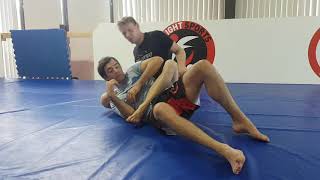
Back Attacks - Part 7: Strong Side Tactics // Tom Halpin
Key Takeaways
- •Introduction to Strong Side Position
- •Body Triangle Foundation
- •Camarillo Grip Break
- •Seatbelt Sneak Technique
Part 7 of a series of videos on attacking from the back position, this time dealing with attacks and ideas from the strong side. I try to share all the useful details/tactics I've learned over the years, many of which I haven't seen explained elsewhere. Each video will follow directly on from the last so anyone interested can add the new details each week to their specific training from the back position. Any questions/feedback please let me know. Stay tuned for part 8..
Related Techniques
Frequently Asked Questions
What does this video teach about weak side seatbelt?
This video covers introduction to strong side position, body triangle foundation, camarillo grip break. It provides detailed instruction from Tom Halpin.
How long does it take to learn weak side seatbelt?
The basic mechanics can be understood in a single session, but developing reliable execution requires consistent drilling over weeks of practice. This 8-part breakdown helps structure your training by isolating each phase of the technique.
What are the key details for finishing weak side seatbelt?
The Kimura grip variation combines the seatbelt position with a no-thumb Kimura grip, requiring the wrist to roll inward toward the forearm for maximum tightness. From this powerful configuration, the instructor can transition to an armbar, roll back to the weak side, or lock the body triangle. This option provides multiple finishing pathways from the strong side position.
Related videos
How to Totally Control Someone in Rearmount
Stephan Kesting
Scarf to Seatbelt Side Control
Mood Swing
Back Attacks - Part 7: Strong Side Tactics // Tom Halpin
Tom Halpin
Reverse Seatbelt & The "False Choke" A deceptive and powerful position and Submission
EffortlessJiuJitsu
Rear Naked Choke, Seat Belt Control
Just Train