The Strategic Importance of Back Control
At the highest levels of jiu-jitsu competition, back control dominates submissions. Analysis of the 2017 IBJJF World Championships black belt division reveals that 14 of 22 submissions originated from the back position—over 50% of all submissions across divisions. Practitioners should prioritize back control as the most devastating position in the sport.
Establishing the Scarf Position Foundation
From side control, the practitioner secures scarf position by gripping the opponent's elbow and driving the head forward to establish base. The knee blocks the opponent's shoulder while the hand controls the armpit, preventing the opponent from inserting their elbow and maintaining positional security.
Spider Walking the Armpit
When the opponent's arm floats in open space, the practitioner inserts fingers into the armpit and plants the hand on the floor, then walks fingers in a circular motion to connect the elbow to the opponent's elbow. The thumb leads the direction of movement, mimicking a spider's locomotion and weakening the opponent's defensive structure.
Capturing the Wrist
As the opponent's elbow crosses their centerline, the practitioner secures the wrist with either hand and transfers it to the opposite hand for control. The wrist capture must occur before the opponent can reposition their arm, requiring timing and spatial awareness.
Executing the Gift Wrap
The practitioner reaches behind the opponent's head and connects both the opponent's wrist and their own wrist tightly against the opponent's neck—maintaining zero space between these points. Proper wrist connection prevents the opponent from creating escape angles by elevating their elbow or turning their head.
Transitioning to Seatbelt Side Control
Using hip pressure, the practitioner bumps the opponent's hips while pulling their head in a circular motion—pulling the hand under the ear, then behind it, and the top of the head toward the knee. Hip pressure combined with rotational force turns the opponent onto their side and secures seatbelt position.
Establishing the Seatbelt Grip
The practitioner switches base with the left knee at the opponent's head and right knee at their hip, bringing the chin tight to the opponent's shoulder. The right hand reaches under the opponent's top arm to clasp the left wrist, with the chest driving into the opponent's back for complete positional control.
Maintaining Control Against Defensive Adjustments
If the opponent tightens their frame around the practitioner's neck, the armpit remains accessible for elbow connection rather than forcing an elbow grip. The practitioner must keep their own elbow inside the opponent's elbow during the circular walking motion to prevent the opponent from repositioning their arm.
Scarf to Seatbelt Side Control
Key Takeaways
- •The Strategic Importance of Back Control
- •Establishing the Scarf Position Foundation
- •Spider Walking the Armpit
- •Capturing the Wrist
Please Like, Share, Comment, and Subscribe for more great content!!! Connect with me: Patreon - https://www.patreon.com/StrangleSchool Instagram - https://www.instagram.com/the_josh_moody/ Facebook - https://www.facebook.com/snufilufigus/ All roads lead to the back, or in this case half way to the back. The seat belt side control offers all of the submission threat of the back, without the commitment of your legs.
Related Techniques
Frequently Asked Questions
What does this video teach about weak side seatbelt?
This video covers the strategic importance of back control, establishing the scarf position foundation, spider walking the armpit. It provides detailed instruction from Mood Swing.
How long does it take to learn weak side seatbelt?
The basic mechanics can be understood in a single session, but developing reliable execution requires consistent drilling over weeks of practice. This 8-part breakdown helps structure your training by isolating each phase of the technique.
What are the key details for finishing weak side seatbelt?
The practitioner switches base with the left knee at the opponent's head and right knee at their hip, bringing the chin tight to the opponent's shoulder. The right hand reaches under the opponent's top arm to clasp the left wrist, with the chest driving into the opponent's back for complete positional control.
Related videos
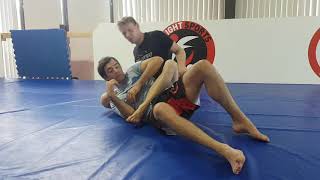
Back Attacks - Part 7: Strong Side Tactics // Tom Halpin
Tom Halpin
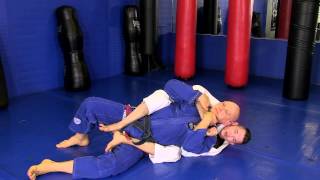
How to Totally Control Someone in Rearmount
Stephan Kesting
Back Attacks - Part 7: Strong Side Tactics // Tom Halpin
Tom Halpin
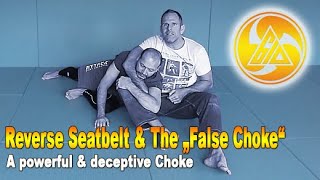
Reverse Seatbelt & The "False Choke" A deceptive and powerful position and Submission
EffortlessJiuJitsu
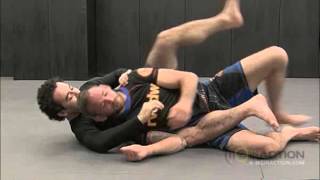
Rear Naked Choke, Seat Belt Control
Just Train