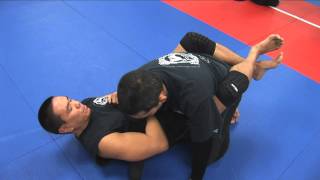
Over-Under Clinch Position Setup
The over-under clinch is established when one fighter controls the opponent's bicep with an overhook while the opponent simultaneously controls with an underhook. This balanced upper-body position creates opportunities for a series of progressive attacks, from basic techniques against passive opponents to advanced sequences against active defenders.
Arm-Drag from Lazy Underhook
Against an opponent with a loose underhook, the controlling fighter executes a C-clamp grip and drags the opponent's arm to the side. This positioning allows the fighter to step aside, pull the opponent downward, and either access the back or transition to a takedown.
Wrist Lock Takedown with Upright Posture
When the opponent maintains an upright body position with a tight underhook, the controlling fighter clamps the wrist and executes a knee tap by driving the foot behind the opponent's leg. This technique can be repeated on alternating sides when the opponent defends the initial attempt.
Headlock Transition from Extended Base
If the opponent moves their hips backward to avoid leg-based takedowns, the controlling fighter steps to the side and locks the opponent's head downward. The opponent's extended leg position creates difficulty in defending the headlock, allowing the fighter to transition toward back control.
Near-Side Knee Tap with Body Weight Pressure
The near-side knee tap involves applying sudden downward pressure on the opponent's neck while running the legs forward to position the foot behind the opponent's leg. The fighter must ensure the opponent's body rotates rather than leans inward; proper execution results in side control or front headlock positioning.
Far-Side Knee Tap Execution
From the over-under clinch, the controlling fighter reaches deep with the far-side arm and steps wide in a half-moon pattern before running. If the opponent defends by pulling the leg back, the fighter can transition to a body lock or sit position for the takedown.
Drop Arm Throw and Controlled Alternative
A drop arm throw can be executed by stepping in and dropping the opponent over the controlling fighter's hip. However, the controlling fighter can prevent the opponent from dragging them to their back by maintaining arm control during the drop rather than releasing immediately.
Knee Tap Switching and Multi-Directional Attacks
When the opponent defends one direction of knee tap by pulling their leg back, the controlling fighter immediately switches to attack from the opposite side. This reactive switching exploits the opponent's defensive energy and creates continuous offensive opportunities.
Controlling Both Legs and Heavy Drag Positioning
When the opponent positions both legs back to defend leg-based attacks, the controlling fighter maintains neck-to-neck contact to restrict the opponent's head movement. The fighter then applies heavy downward pressure on the arm while dragging the opponent, adjusting the angle based on the opponent's leg position to maximize the takedown effect.
Over-Under Attacks - Dominate from the clinch
Key Takeaways
- •Over-Under Clinch Position Setup
- •Arm-Drag from Lazy Underhook
- •Wrist Lock Takedown with Upright Posture
- •Headlock Transition from Extended Base
The Over-Under clinch is one of the most common positions you'll find yourself while wrestling — especially in Catch and MMA. One arm under, one arm over, and both wrestlers trying to find the edge. In today’s video, we break down how to turn this 50/50 position into a dominant one. Whether you’re going for takedowns or just trying to gain control in the clinch, we’ll show you how to tilt the odds in your favor.
Related Techniques
Frequently Asked Questions
What does this video teach about over-under clinch?
This video covers over-under clinch position setup, arm-drag from lazy underhook, wrist lock takedown with upright posture. It provides detailed instruction from China Catch Wrestling.
How long does it take to learn over-under clinch?
The basic mechanics can be understood in a single session, but developing reliable execution requires consistent drilling over weeks of practice. This 9-part breakdown helps structure your training by isolating each phase of the technique.
What are the key details for finishing over-under clinch?
When the opponent defends one direction of knee tap by pulling their leg back, the controlling fighter immediately switches to attack from the opposite side. This reactive switching exploits the opponent's defensive energy and creates continuous offensive opportunities.