Clinching Purpose and Distinctions
While clinching is often viewed as a stalling tactic, it serves multiple strategic purposes in boxing. Boxing clinches differ significantly from MMA or wrestling ties due to rule restrictions: striking from the back of the head is prohibited, and the referee intervenes when both arms are tied up.
Double Overhook Position
The double overhook involves threading both arms over the opponent's arms and hooking behind the elbows. The clincher brings their hands together in a gable grip while maintaining a safe head position off the opponent's shoulder, then lifts upward to prevent the opponent from dropping their weight and escaping.
Double Underhook Position
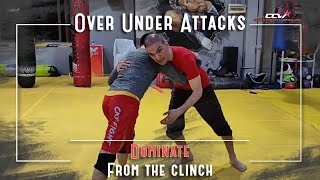
The double underhook requires threading both arms under the opponent's armpits and squeezing firmly onto their shoulders. With a gable grip and pinched elbows, the clincher puffs the chest to prevent the opponent's escape while maintaining a safe head position against the shoulder or chest.
Body Lock and Head Control
The body lock is established by changing levels and cinching around the opponent's waist or hips. From this position, the clincher can transition to a headlock by wrapping the head and creating a barrier with the arm, while dropping weight to fatigue the opponent's low back and disrupt their hip-to-upper body connection.
Arm-In Hug and Position Combinations
The arm-in hug is the weakest clinch position and typically serves as a transition to stronger holds. Effective clinch sequences combine positions such as overhook-underhook pairs or headlock-hook combinations, with the key principle being control of both arms to create a stalemate that prompts referee intervention.
Strategic Reasons for Clinching
Clinching serves multiple tactical purposes: improving ring position, providing recovery time when hurt, fatiguing the opponent, disrupting rhythm, and capitalizing on opportunities. It also functions as a defensive reset after missed combinations or defensive gaps.
Clinch Entry Principles
Safe clinch entries follow three core rules: avoid reaching with exposed hands, close distance before attempting the clinch to minimize reaction time, and move the head off-line before securing the tie-up. All clinch entries should be disguised or set up rather than executed as naked, predictable movements.
Clinch Entry from Contact and Opportunity
Clinches can be established from existing hand contact when fighters are already in close range or in guard-to-guard position, eliminating the need to cover distance. Alternatively, clinch opportunities arise from the opponent's mistakes, such as irresponsible hand placement or overextended frames.
How to Clinch | Boxing Tutorial
Key Takeaways
- •Clinching Purpose and Distinctions
- •Double Overhook Position
- •Double Underhook Position
- •Body Lock and Head Control
0:24 - Boxing vs MMA/Thai Clinch CLINCH POSITIONS 0:50 - Overhook 1:17 - Double Overhooks 1:36 - Underhook 2:02 - Double Underhooks 2:26 - Bodylock 3:09 - Shut Down the Bodylock 3:57 - Arm-In Hug 4:28 - Combining Positions ESTABLISHING THE CLINCH 5:00 - Advantages of Clinching 5:43 - First Steps 6:33 - RULES to Make the Clinch WORK 6:48 - AUGMENT: Clinch from Contact 7:15 - AUGMENT: Opponent Irresponsibility 7:44 - AUGMENT: Position Recovery 8:05 - AUGMENT : Defense Segway 8:30 - 'nannigans 👋🏼 Looking for more? ☕ Ko-Fi - https://ko-fi.com/bambaraboxing Purchase the PDF of the workouts from my videos, commission me to make you a custom boxing program, break down your boxing footage in a private video, or drop me enough for a "coffee" to support me on my Road to 100 fights! 🎁 Etsy Shop - https://www.etsy.com/shop/BambaraBoxing Treat yourself or someone studying the sweet science to some cool merch, and support us at the same time!
Frequently Asked Questions
What does this video teach about fifty-fifty clinch?
This video covers clinching purpose and distinctions, double overhook position, double underhook position. It provides detailed instruction from Bambara Boxing.
How long does it take to learn fifty-fifty clinch?
The basic mechanics can be understood in a single session, but developing reliable execution requires consistent drilling over weeks of practice. This 8-part breakdown helps structure your training by isolating each phase of the technique.
What are the key details for finishing fifty-fifty clinch?
Safe clinch entries follow three core rules: avoid reaching with exposed hands, close distance before attempting the clinch to minimize reaction time, and move the head off-line before securing the tie-up. All clinch entries should be disguised or set up rather than executed as naked, predictable movements.