Nomenclature and Regional Variations
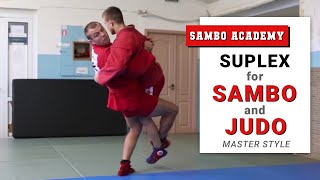
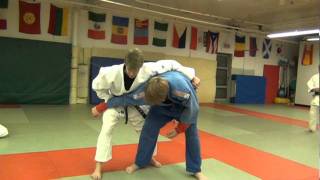
The Polish Throw, known by various names across martial arts traditions, is called 'Soto' in European judo and 'Zashagivanie' (stepping action) in Russian systems. The technique's name derives from the characteristic large stepping motion that defines the entry. Understanding these regional terminology differences helps practitioners recognize the same fundamental technique across different martial arts contexts.
Grip Configuration and Hand Placement
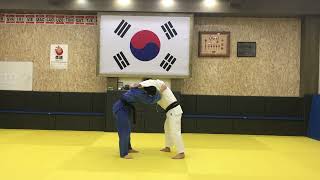
The fundamental grip structure requires one hand securing either the lapel or collar while the second hand controls the belt or waistband area. Practitioners can reinforce grips through multiple control points, allowing flexibility in grip selection based on opponent response. The grip setup remains consistent across all three execution variations of the technique.
Entry Mechanics and Positioning
Entry begins with the instructor stepping deeply across the opponent's body while maintaining grip control. The stepping action can be executed from various grip configurations, including lapel control or belt grips. Proper entry requires full commitment and timing to prevent the opponent from resisting or escaping before the throw is initiated.
Variation One: Trip Execution
The first variation emphasizes the leg trip component, where the instructor places their leg across the opponent's leg and pulls downward while stepping. This variation requires active engagement without defensive pushing or pulling movements. The technique relies on complete commitment and proper leg placement to execute effectively.
Variation Two: Seated Drop (Seoi Nage Style)
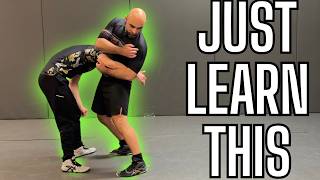
The second variation transitions into a seated hip throw by stepping close and dropping the hips while maintaining grip control. This variation eliminates the tripping component in favor of a clean hip projection. The instructor must lift slightly with the hips while ensuring the head position remains behind rather than to the side.
Variation Three: Back Suplex with Spike
The third variation combines a suplex motion with a spiking action, positioning the head behind the body rather than to the side. The instructor steps into the opponent's leg, creates a deep connection, and executes a bridging motion to complete the throw. Grip quality and the bridge action are critical for safe and effective execution of this variation.
Completion and Follow-Through
All three variations conclude with the opponent landing on their back or side, creating offensive opportunities for ground control. Proper landing position depends on which variation was selected and how the bridge or drop was executed. Practitioners should emphasize safe falls and gradual progression when learning these techniques with partners.
Polish Throw. Zashagivanie.
Key Takeaways
- •Nomenclature and Regional Variations
- •Grip Configuration and Hand Placement
- •Entry Mechanics and Positioning
- •Variation One: Trip Execution
Frequently Asked Questions
What does this video teach about standard lateral drop?
This video covers nomenclature and regional variations, grip configuration and hand placement, entry mechanics and positioning. It provides detailed instruction from Sambo Fusion.
How long does it take to learn standard lateral drop?
The basic mechanics can be understood in a single session, but developing reliable execution requires consistent drilling over weeks of practice. This 7-part breakdown helps structure your training by isolating each phase of the technique.
What are the key details for finishing standard lateral drop?
The third variation combines a suplex motion with a spiking action, positioning the head behind the body rather than to the side. The instructor steps into the opponent's leg, creates a deep connection, and executes a bridging motion to complete the throw. Grip quality and the bridge action are critical for safe and effective execution of this variation.