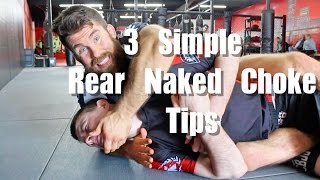
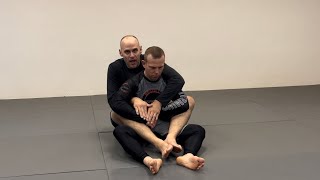
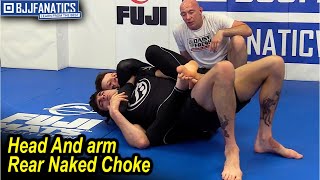
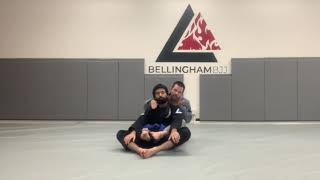
Introduction to the Rear Naked Choke
The rear naked choke is the most popular and effective submission in Brazilian jiu-jitsu and MMA. This technique is so efficient that even a small person with minimal strength can successfully execute it against a larger opponent. The instructor demonstrates why this choke is accessible to all skill levels and body types.
Understanding the Physiology
The rear naked choke works by occluding the carotid arteries on both sides of the neck, which supply blood to the brain. When pressure is maintained for approximately 6-8 seconds, unconsciousness occurs; prolonged pressure beyond 20-30 seconds can cause serious injury or death. Proper execution requires understanding this critical safety factor, especially in self-defense scenarios.
Step 1: Arm Positioning
The dominant arm should wrap around the opponent's neck with the elbow pit (the crease between the forearm and bicep) directly against the neck. The second hand grabs the bicep or shoulder area, with the grip hand then hooking under the head as low as possible. This low positioning prevents the opponent from easily reaching and removing the choke.
Step 2: Securing the Lock
Once both hands are positioned, the practitioner completes the lock by grabbing their own shoulder. The head should be placed against the opponent's head to block their hand if they attempt to grab the choking arm. Taking a deep breath before finishing expands the chest and stomach, driving the opponent deeper into the submission.
Step 3: Finishing with Three Motions
The finish requires three simultaneous actions: push the elbow down into the opponent's chest as if performing CPR, bring the elbows together to create compression, and flex the bicep to apply steady pressure. These three motions combined block both carotid arteries effectively, resulting in a quick tap or unconsciousness.
Common Mechanical Mistakes
The most frequent error is placing the elbow against the side of the neck rather than directly under the chin, which converts the choke into an ineffective throat crush. Additionally, practitioners often grip only with fingers on the bicep instead of securing a full-hand grip with the wrist on the bicep. Improper hand placement reduces leverage and allows the opponent to defend more easily.
Mistake: Hand Placement Too High
Positioning the grip hand too high behind the head allows opponents to easily grab and remove it, instantly eliminating all choking pressure. The grip hand must be positioned low and out of reach, secured behind the head where the opponent cannot access it. Only with low hand placement can the choke remain secure against an informed opponent.
Mistake: Incorrect Finishing Pressure
Many practitioners attempt to "hang" their opponent by lifting their head rather than directing pressure downward. Downward elbow pressure toward the chest effectively occludes the arteries; upward hanging pressure is ineffective and uncomfortable rather than truly restrictive. The correct direction of force is critical for both effectiveness and proper technique.
Pressure Management and Endurance
Rather than squeezing at maximum force, practitioners should maintain steady pressure at 50-70% effort for 10-15 seconds until submission. This conservative approach preserves energy throughout a match and prevents arm fatigue for subsequent rounds. Pressure should increase gradually in small increments rather than fluctuating between maximum and minimal effort.
Defensive Considerations and Setup
In practical application, opponents will actively defend against the choke using techniques such as the baseball bat grip or other blocking methods. The instructor emphasizes that the rear naked choke is rarely applied from a static position and requires the practitioner to address active defenses. Understanding how to control the opponent's position and neutralize defensive grips is essential for successful execution.
How to do the Rear Naked Choke in Jiu Jitsu | Jiu Jitsu Tutorial | BJJ Lessons
Key Takeaways
- •Introduction to the Rear Naked Choke
- •Understanding the Physiology
- •Step 1: Arm Positioning
- •Step 2: Securing the Lock
Join My Online Academy to Improve Your Jiu Jitsu FAST!!! https://www.skool.com/mattarroyojiujitsu/about Looking to MASTER your attacks from the back? Check out my course Back Attack Blueprint! USE CODE 'YOUTUBE10' for a 10 percent discount! https://backattackblueprint.com/ ------------------------------------------------------------------------------------------------------------------------- Master the Rear Naked Choke (RNC) – one of the most iconic and effective submissions in Brazilian Jiu Jitsu (BJJ) and MMA! In this video, I’ll guide you through a step-by-step breakdown of how to properly execute the rear naked choke, from setting it up to finishing with maximum control and efficiency. Whether you’re a beginner or a seasoned practitioner, this technique is a must-have in your BJJ arsenal. 🔑 What You’ll Learn in This Video: • How to secure back control and establish dominant positioning • The mechanics of the perfect choke • Key details to avoid common mistakes • Tips to apply the choke effectively in live rolls and competition 🎥 Perfect for: • Beginners learning foundational BJJ submissions • Intermediate grapplers looking to refine their back attacks • Competitors and MMA fighters wanting to improve their finishing rate _________________________________________________________________________ 🔥 Boost Your Jiu Jitsu Game: Subscribe to the channel for more tutorials, drills, and techniques that will elevate your training and help you dominate on the mats. Don’t forget to like, comment, and share this video with your teammates!
Related Techniques
Frequently Asked Questions
What does this video teach about one arm rear naked choke?
This video covers introduction to the rear naked choke, understanding the physiology, step 1: arm positioning. It provides detailed instruction from Matt Arroyo Jiu Jitsu .
How long does it take to learn one arm rear naked choke?
The basic mechanics can be understood in a single session, but developing reliable execution requires consistent drilling over weeks of practice. This 10-part breakdown helps structure your training by isolating each phase of the technique.
What are the key details for finishing one arm rear naked choke?
Rather than squeezing at maximum force, practitioners should maintain steady pressure at 50-70% effort for 10-15 seconds until submission. This conservative approach preserves energy throughout a match and prevents arm fatigue for subsequent rounds. Pressure should increase gradually in small increments rather than fluctuating between maximum and minimal effort.