Peterson Roll Entry
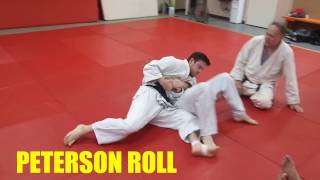
The Peterson Roll is initiated when the opponent applies pressure. The defender catches the incoming attack and uses a rolling motion to transition into the Peterson position, a fundamental defensive posture in wrestling.
Roll Mechanics
The technique employs a continuous rolling action that converts the opponent's offensive pressure into momentum. This allows the defender to escape or transition while maintaining positional control.
Peterson Position Setup
Upon completing the roll, the wrestler establishes the Peterson position, a seated or near-seated defensive configuration. This position provides stability and creates angles for reversals or continued defensive actions.
Transition Flow
The movement from initial contact through the roll into the Peterson position should be executed as one fluid sequence. This continuous motion minimizes the time the opponent has to adjust and maintain control.
Defensive Application
The Peterson Roll serves as an effective counter to top control, allowing the bottom wrestler to neutralize pressure and create reversal opportunities. The technique demonstrates how proper timing and positioning can convert defensive situations into offensive advantages.
Granby Roll to a Peterson Loop
Key Takeaways
- •Peterson Roll Entry
- •Roll Mechanics
- •Peterson Position Setup
- •Transition Flow
Want to find wrestling tournaments near you? Check out: https://www.WrestlingTournaments.com/
Related Techniques
Frequently Asked Questions
What does this video teach about peterson roll?
This video covers peterson roll entry, roll mechanics, peterson position setup. It provides detailed instruction from WrestlingTournaments․com.
How long does it take to learn peterson roll?
The basic mechanics can be understood in a single session, but developing reliable execution requires consistent drilling over weeks of practice. This 5-part breakdown helps structure your training by isolating each phase of the technique.
What are the key details for finishing peterson roll?
The movement from initial contact through the roll into the Peterson position should be executed as one fluid sequence. This continuous motion minimizes the time the opponent has to adjust and maintain control.