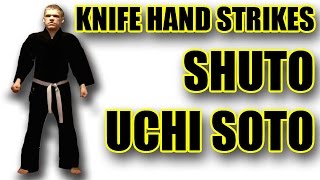
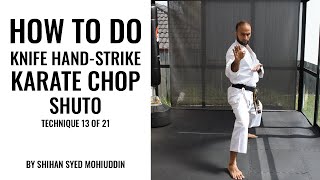
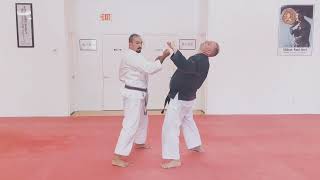
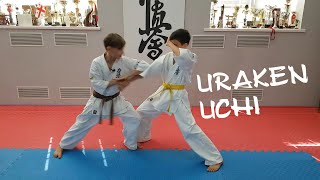
Introduction to Shuto Uchi
Shuto uchi, known as the knife-hand strike, is a fundamental striking technique in karate that utilizes the outer edge of the open hand. This versatile technique is effective for both offensive attacks and defensive applications. Proper form and positioning are essential for maximum power and minimal injury risk.
Stance and Foundation
The practitioner must establish a stable stance to generate power from the ground up. The feet should be positioned shoulder-width apart with weight distributed evenly. Maintain a slight forward lean to enable fluid hip rotation during the strike.
Hand Formation
Form the striking surface by extending all fingers and keeping them tightly together. The thumb should be tucked firmly against the palm to create a rigid striking edge. The wrist must remain straight and aligned with the forearm to prevent injury and transfer force efficiently.
Chamber Position
Draw the striking hand to the chamber at chest level with the palm facing upward. The non-striking hand remains extended in a supporting position. Both hands work in unison to create proper kinetic linking and maximize striking power.
Execution and Hip Rotation
Drive the strike forward by rotating the hips explosively while extending the arm in a direct line. The palm rotates downward and outward as the strike extends, targeting an opponent's neck, temple, or solar plexus. Power originates from the core and legs, not the arm alone.
Shuto Uke Defense
The knife-hand block deflects incoming strikes using the outer forearm edge at a forty-five-degree angle. The defending hand sweeps across the body while the supporting hand provides stability and counter-readiness. This block is particularly effective against punches and roundhouse techniques.
Follow-Through and Recovery
After striking, retract the hand smoothly while maintaining guard position. The body should remain balanced and ready for immediate follow-up techniques or defensive transitions. Avoid overextending the arm, which compromises both power and defensive integrity.
Common Mistakes and Corrections
Practitioners frequently separate their fingers or flex the wrist during execution, both of which reduce effectiveness and increase injury risk. Ensure the striking edge remains rigid and the arm path stays direct without arc. The hips must drive the technique; arm-only strikes lack necessary power and precision.
Training Applications
Practice shuto uchi with controlled intensity on heavy bags and pads to develop muscle memory and proper mechanics. Incorporate the technique into kumite combinations and kata sequences for practical experience. Gradual resistance training builds power while minimizing repetitive strain injuries.
Advanced Integration
Advanced practitioners blend shuto uchi with footwork and body displacement for devastating effect in combination techniques. The knife-hand serves as both primary striking method and setup for secondary techniques. Mastery requires consistent refinement of timing, distance management, and explosive hip engagement.
Karate Shuto Uchi/Uke
Key Takeaways
- •Introduction to Shuto Uchi
- •Stance and Foundation
- •Hand Formation
- •Chamber Position
Aplicaciones de Shuto Uke y Shuto Uke Shuto Uke and Shuto Uchi application
Related Techniques
Frequently Asked Questions
What does this video teach about shuto uchi uchi?
This video covers introduction to shuto uchi, stance and foundation, hand formation. It provides detailed instruction from Juan Beltrán Rodríguez.
How long does it take to learn shuto uchi uchi?
The basic mechanics can be understood in a single session, but developing reliable execution requires consistent drilling over weeks of practice. This 10-part breakdown helps structure your training by isolating each phase of the technique.
What are the key details for finishing shuto uchi uchi?
Practice shuto uchi with controlled intensity on heavy bags and pads to develop muscle memory and proper mechanics. Incorporate the technique into kumite combinations and kata sequences for practical experience. Gradual resistance training builds power while minimizing repetitive strain injuries.