Introduction to Shuto Uchi Uchi
The instructor introduces the inside knife hand strike (uchi shuto), a fundamental technique in traditional martial arts. This striking method targets the side of the head and requires precise hand positioning and control.
Hand Positioning and Target Gauging
The practitioner uses the index and middle fingers to gauge the striking target by lightly touching the ear. This reference point ensures accurate striking to the opponent's head at the appropriate angle and distance.
Basic Inside Shuto Execution
The strike begins with the hand at the side of the body, extends outward, travels down the opponent's arm, and terminates at the side of the head. The striking surface is the knife hand edge (pinky side), and the technique emphasizes control over power during basic practice.
Defensive Application and Hand Suppression
When an opponent raises their guard, the practitioner drives their extended hand downward to suppress the opponent's defense, creating an opening for the knife hand strike. This simultaneous action of blocking and striking requires precise timing and coordination.
Target Areas and Practical Applications
While basic practice targets the side of the head, practical applications focus on vulnerable areas including the neck, behind the ear, and the collarbone region. These target zones contain vital pressure points and nerve clusters that produce more effective results in self-defense scenarios.
Defensive Uses of the Preparation Position
The raised hand position serves a dual defensive purpose by intercepting incoming punches before they develop full power. Contact with the opponent's bicep, wrist, or forearm using the hand bone creates a blocking effect while positioning the practitioner to counter-strike.
Outside Shuto (Soto Shuto) Preparation
The outside knife hand strike begins with both hands aligned vertically, then executes a circular motion as the rear hand travels around the outside to strike. The technique maintains hip rotation to generate power and ensures proper edge alignment with the striking surface.
Sequential Striking and Arm Removal
After the outside shuto strike connects, the opposite hand rises to deliver a second strike while the first hand retracts. This two-strike combination effectively removes the opponent's defensive arm from the fight, clearing a path to vulnerable target areas.
Elbow Control During Preparation
The dropped elbow maintains positioning during the preparation phase, creating a barrier against overhead attacks. This defensive element protects against aggressive brawling techniques while the practitioner prepares for their own counterattack.
Shuto Knife Hand Strikes
Key Takeaways
- •Introduction to Shuto Uchi Uchi
- •Hand Positioning and Target Gauging
- •Basic Inside Shuto Execution
- •Defensive Application and Hand Suppression
Blind Sensei Mark Brown demonstrates the inside and outside techniques of knife striking in karate. Shuto, translating to knife hand, and uchi / soto translating to inwards and outwards are the two main attacking open hand strikes found in karate.
Related Techniques
Frequently Asked Questions
What does this video teach about shuto uchi uchi?
This video covers introduction to shuto uchi uchi, hand positioning and target gauging, basic inside shuto execution. It provides detailed instruction from Blind Sensei.
How long does it take to learn shuto uchi uchi?
The basic mechanics can be understood in a single session, but developing reliable execution requires consistent drilling over weeks of practice. This 9-part breakdown helps structure your training by isolating each phase of the technique.
What are the key details for finishing shuto uchi uchi?
After the outside shuto strike connects, the opposite hand rises to deliver a second strike while the first hand retracts. This two-strike combination effectively removes the opponent's defensive arm from the fight, clearing a path to vulnerable target areas.
Related videos
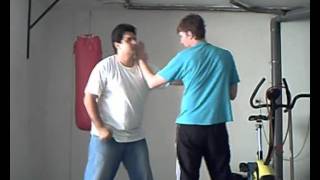
Karate Shuto Uchi/Uke
Juan Beltrán Rodríguez
Karate Chop / Knife-Hand Strike / Shuto
Lion Budokan Karate International
Jujitsu & Karate Atemi Waza • Mawashi to Uraken Shomen Uchi
Jukido Academy
Uraken Sayu Uchi | Deadly Kyokushin Karate Punch | Karate Class 7
Black Fighter
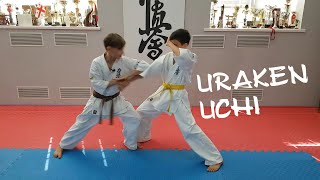
УРАКЕН УЧИ. URAKEN UCHI
Dmytro Aikin