Introduction to the 1817 Infantry Sword Exercise Manual
Henry Angelo the Younger's Rules and Regulations for the Sword Exercise, Infantry Sword Exercise represents the first officially accepted standard manual for sword combat on foot in the British Army. Published in February 1817, this treatise remained the authoritative military sword instruction text until the sabre fell out of infantry use at the end of the 19th century. The original first edition has been digitized and made freely available through the Academy of Historical Offensive's resources page.
Historical Significance and Military Adoption
Angelo the Younger's manual marked a watershed moment in British military swordsmanship by establishing the first codified, officially sanctioned system for infantry sword training. The work built upon earlier systems, including those developed by Angelo's father and contemporaries like Roworth, while introducing greater standardization and discipline. This manual's adoption demonstrated the military's commitment to systematic, structured training methods during the Napoleonic Wars era.
Henry Angelo the Younger's Military Teaching Career
Angelo the Younger began military instruction as early as 1813, initially training naval personnel in cutlass drill before transitioning to army training by 1815. Historical records, including references from the Duke of Wellington himself, confirm Angelo's role in developing and teaching the army system. Military personnel underwent grueling six-week training courses, studying six hours daily, six days per week to master the system before instructing troops.
Weaponry and Evolution of the Manual
The 1817 first edition was published before the introduction of Gothic-hilt sabres, meaning the system initially corresponded with Napoleonic-era weapons including Spadroons, the 1803 Sabre, and Scottish broadswords. Gothic-hilt sabres were not introduced until 1822, yet the manual's influence extended through this transition and encompassed the entire range of Napoleonic and post-Napoleonic swords throughout its service life.
Structural Codification and Terminology
The 1817 manual introduced systematic codification absent from earlier systems, including numbered foot positions, numbered parries, and numbered thrusts rather than relying on named guards. Position one represents feet together, position two indicates guard stance, and position three denotes the lunge. The term 'parry' became reserved specifically for defending against thrusts, representing a linguistic refinement of earlier, less formal terminology.
Continuity with Earlier Napoleonic Systems
Despite its increased formality, the 1817 manual retained fundamental elements from earlier Angelo and Roworth systems, including the lunge, slip, guards, and basic cuts. The primary evolution centered on teaching methodology and body mechanics instruction rather than fundamental fighting principles. The system was condensed from ten Taylor-style lessons to five formal lessons while maintaining the core technical content.
Institutional Longevity and Competitive Systems
Angelo's 1817 system remained the official British military standard for nearly eighty years until the 1890s, when swords became obsolete for infantry use. While other masters including Hutton, Burton, and Waite published alternative systems during this period, none achieved official acceptance as a replacement. The Angelo lineage provided an unbroken standard for approximately one hundred years—encompassing virtually the entire operational lifespan of pattern swords in British infantry service.
Infantry Sword Exercise Manual, 1817, by Henry Angelo
Key Takeaways
- •Introduction to the 1817 Infantry Sword Exercise Manual
- •Historical Significance and Military Adoption
- •Henry Angelo the Younger's Military Teaching Career
- •Weaponry and Evolution of the Manual
A scan of this famous treatise is now available freely on our website - http://swordfight.uk/resources/ Henry Angelo's manual was the standard and official infantry system for the British army throughout most of the 19th century.
Frequently Asked Questions
What does this video teach about standard military sabre guard?
This video covers introduction to the 1817 infantry sword exercise manual, historical significance and military adoption, henry angelo the younger's military teaching career. It provides detailed instruction from Academy of Historical Fencing.
How long does it take to learn standard military sabre guard?
The basic mechanics can be understood in a single session, but developing reliable execution requires consistent drilling over weeks of practice. This 7-part breakdown helps structure your training by isolating each phase of the technique.
What are the key details for finishing standard military sabre guard?
Despite its increased formality, the 1817 manual retained fundamental elements from earlier Angelo and Roworth systems, including the lunge, slip, guards, and basic cuts. The primary evolution centered on teaching methodology and body mechanics instruction rather than fundamental fighting principles. The system was condensed from ten Taylor-style lessons to five formal lessons while maintaining the core technical content.
Related videos
Lesson 24 - Royal Rap - Form 1 Basic Outside Arm Parry
Rogue Saber Academy
HEMA traditionalist vs. tournament fighter - who would win in sparring? What is better in bouting?
Oliver Janseps
Military sabre guards lesson 2
Academy of Historical Fencing
Military Sabre Fencing - Grips and Disarms
scholagladiatoria
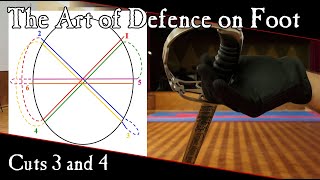
British Military Sabre Instruction - Cut 3 and 4
Espada Negra