Introduction to Solo Rapier Training
Nicole Smith demonstrates essential solo drills for rapier practitioners who train independently. These exercises develop technique and muscle memory without requiring a training partner.
Target Setup and Thrust Mechanics
Practitioners should begin with palm-sized targets on a wall, progressing to smaller fingertip-sized targets. The fundamental principle is extending the blade first, allowing it to reach full extension before initiating the lunge to ensure consistent target strikes.
Three Essential Lunge Drills
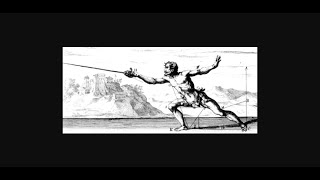
The standard lunge, redoublement, and gathering step lunge each develop different distance-management skills. Practitioners should perform 50-100 repetitions of each drill to build reliable technique and motor patterns.
Guard Maintenance and Safety Considerations
The practitioner must maintain guard position throughout the lunge and keep it raised until safely retreated from the opponent. Wall lunges require careful target selection to prevent structural damage to training spaces.
Cutting Drills and Blade Mechanics
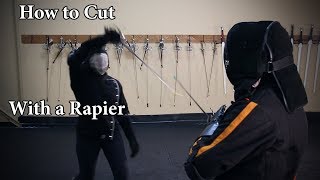
Starting from first guard, the practitioner rotates and strikes approximately one-third down the blade, drawing through to maximize cutting effectiveness. Rapiers generate tissue damage through draw-cutting technique rather than chopping force.
Thrust-Cut Combinations
Once competent with isolated cuts, practitioners can integrate thrusts and cuts in flowing combinations, beginning from third guard position. This develops rhythm and seamless transitions between techniques.
Footwork Drills and Stance Stability
Using patterned floors as guides, practitioners maintain a 50/50 stance while executing advances and retreats powered by the back leg. The objective is keeping the head and shoulders level while maximizing speed and precision.
Redoublement and Gathering Step Execution
The redoublement extends a short lunge by gathering the back foot and driving forward an additional increment. The gathering step requires drawing the back foot forward before launching into the lunge, covering greater distance efficiently.
Passing Lunge for Extended Range
When opponents are beyond normal lunge distance, the passing lunge initiates with the front foot angling forward before executing the attack. This technique extends the practitioner's effective range significantly.
Solo Training Principles and Long-Term Development
Consistent solo practice builds fundamental form and muscle memory essential for effective technique. Practitioners who invest sustained effort in independent training see measurable improvements in execution and performance.
10 Solo Rapier Drills in 5 minutes
Key Takeaways
- •Introduction to Solo Rapier Training
- •Target Setup and Thrust Mechanics
- •Three Essential Lunge Drills
- •Guard Maintenance and Safety Considerations
Sometimes it can be difficult to find the time to work with a group, so here are 10 solo drills you can do with a Rapier! (Hint, these principals can apply to other weapons as well) We're saving for new filming equipment! If you want to help us film higher quality content, please check out our Patreon - https://www.Patreon.com/BloodandironHEMA Follow us on Social Media! https://www.facebook.com/BloodandIronHEMA/ https://twitter.com/bloodandironwma https://www.instagram.com/bloodandironmartialarts/ http://www.bloodandiron.ca/ Weapons used in video: Custom Castille Rapier Music: Lord of the Land Kevin MacLeod (incompetech.com) Licensed under Creative Commons: By Attribution 3.0 License http://creativecommons.org/licenses/by/3.0/
Frequently Asked Questions
What does this video teach about standard rapier cut?
This video covers introduction to solo rapier training, target setup and thrust mechanics, three essential lunge drills. It provides detailed instruction from Blood and Iron HEMA.
How long does it take to learn standard rapier cut?
The basic mechanics can be understood in a single session, but developing reliable execution requires consistent drilling over weeks of practice. This 10-part breakdown helps structure your training by isolating each phase of the technique.
What are the key details for finishing standard rapier cut?
When opponents are beyond normal lunge distance, the passing lunge initiates with the front foot angling forward before executing the attack. This technique extends the practitioner's effective range significantly.