Methodological Framework
This analysis employs a deductive approach with a specific thesis, distinguishing it from previous inductive breakdowns of grappling techniques. The instructor acknowledges limitations in expertise while leveraging personal experience as a competitive BJJ practitioner and extensive observation of elite combat sports competition.
Angles and Positioning Fundamentals
Wrestling and MMA are fundamentally games of angles, with successful takedowns requiring lateral positioning to bypass the opponent's arm defense. Achieving the J-point—the critical angle parallel to the hips where the defender cannot effectively counter—enables high-percentage shot execution.
The Standing Back Take in MMA Context
The standing back take is often misapplied in MMA, with practitioners defaulting to inefficient methods such as cage-based leg rides or jumping finishes. Elite grapplers instead employ mat returns, trips, and suplex-style takedowns—such as the O'Connor roll popularized by Alexandre Pantoja—for superior control.
Mat Return Mechanics and Execution
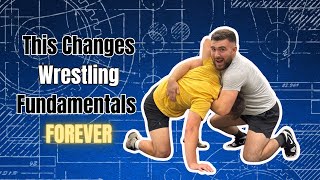
The mat return's effectiveness derives not from raw strength but from a two-phase movement: an explosive lift to compromise the opponent's base, followed by a violent rotational twist that forces awkward positioning. Proper execution places the opponent on knees or all-fours, creating a critical recovery window for back control establishment.
Optimal Positioning and Body Mechanics
The technique is best executed with a back body lock and lateral stepping, inserting one leg between the opponent's legs before the rotational component. Even if the opponent regains stance, maintaining back control enables repeated returns or alternative attacks, creating an attrition-based grappling approach.
Energy Expenditure and Defensive Management
Technical proficiency in mat returns creates significant metabolic demands for the defender, as repeated attempts to escape require substantial leg drive exertion. Multiple sequential returns against experienced wrestlers—typically two to three—systematically fatigue opponents while conserving the aggressor's energy reserves.
Practical Application and Weight Class Advantages
Mastery of the standing back body lock and mat return enables effective positional dominance against substantially heavier opponents, with the instructor having successfully utilized this technique against fighters 35+ pounds heavier. The combination of proper mechanics and positional control transcends raw strength differentials.
Elite Case Study: Aljamaine Sterling
Aljamaine Sterling exemplifies elite-level mat return application through consistent back-circle positioning and J-point advancement across varied entry points. Sterling's methodical head placement across the opponent's body and angular progression establish him as one of MMA's most accomplished back takers.
A Guide To Mat Returns in MMA
Key Takeaways
- •Methodological Framework
- •Angles and Positioning Fundamentals
- •The Standing Back Take in MMA Context
- •Mat Return Mechanics and Execution
God Emperor Squill https://twitter.com/heeldumile https://ko-fi.com/squillthony Inspired by Jack Slack https://youtube.com/@jackslack7786?si=uMtFuYIZc8G4E8vZ
Frequently Asked Questions
What does this video teach about standard mat return?
This video covers methodological framework, angles and positioning fundamentals, the standing back take in mma context. It provides detailed instruction from Wrestling With The Narrative.
How long does it take to learn standard mat return?
The basic mechanics can be understood in a single session, but developing reliable execution requires consistent drilling over weeks of practice. This 8-part breakdown helps structure your training by isolating each phase of the technique.
What are the key details for finishing standard mat return?
Mastery of the standing back body lock and mat return enables effective positional dominance against substantially heavier opponents, with the instructor having successfully utilized this technique against fighters 35+ pounds heavier. The combination of proper mechanics and positional control transcends raw strength differentials.
Related videos
Hip Down from the Belly Leg Defense by Matt McDonough
FANATIC WRESTLING
Why 99% of Beginners Get Stuck on Bottom (And How to Escape)
Iron Faith Wrestling
LIFT and Slam SAFELY!
TeachMeGrappling Coach Brian
#1 Mat Return For Leg Riders
Earn Your Gold Medal
The Wrestling Video I Wish I Had Day One | Wrestling Fundamentals: Techniques for Beginners
Systematic Wrestling