Introduction to the Overhand Right
The overhand right is one of the most powerful knockout punches in combat sports. This technique is characterized by its looping trajectory that travels over the opponent's lead hand, targeting the ear, chin, or jaw. Understanding proper mechanics, distance, and timing is essential for effective execution.
Mechanics and Power Generation
The overhand right draws power from a baseball-throwing motion, incorporating hip rotation, shoulder torque, and momentum transfer. The rear hip drives into the shot as the shoulders rotate, building velocity that translates through the fist to the target. This sequential engagement of the kinetic chain generates the knockout power characteristic of this punch.
Distance and Range Assessment
The optimal distance to throw an overhand right is when the opponent's jab can just reach you. If the opponent's jab connects with your guard, your overhand right will reach their target. Practitioners must adjust footwork based on reach differences, particularly against taller opponents with longer reach advantages.
Footwork and Weight Distribution
The lead foot steps in the direction of the punch while the striker shifts weight onto that leg to generate momentum. Advanced practitioners also employ rear foot movement to maintain proper positioning rather than establishing an overly wide base. This balanced stance allows immediate adjustment if the punch is blocked or evaded.
Head Movement and Evasion
The striker simultaneously moves the head off the centerline while stepping with the lead foot, effectively dodging the opponent's jab as the overhand right is thrown. This head movement reduces the opponent's ability to counter, though it does create exposure to their rear hand. Proper timing coordination between footwork and head movement is critical for success.
Trajectory Variations
The punch's arc can range from a tight, linear path just over the opponent's guard to a wider looping motion. Expert practitioners like Andy Sauer recommend maintaining a straight punch trajectory—the head movement and footwork naturally create the necessary arc. Practitioners should experiment with both approaches to determine their optimal style.
Defense: Evasion and Blocking
The primary defensive response is head movement—the opponent steps back and withdraws their jab, taking the target away from the incoming overhand. Secondary defenses include the helmet guard (wrist to ear with raised elbow) or the gate block (forearm intercepts the punch while the chin tucks). The blocking methods, while effective, transfer considerable force through the defender's arm and head.
Limb Destruction Through Repeated Blocks
Continuous blocking of powerful overhand rights causes cumulative forearm fatigue and muscle breakdown in the defender. Over multiple rounds, this sustained impact wears down the defender's ability to continue blocking effectively. This defensive toll represents a strategic advantage for the striker, potentially limiting the opponent's later round defense.
Application and Training Recommendations
The overhand right must be set up using combinations with other punches rather than thrown in isolation. Practitioners should develop proper distance judgment and timing through controlled sparring sessions. Consistent practice integrating this technique into combinations will build the muscle memory and tactical awareness necessary for effective ring application.
The Correct Way to Throw "The Overhand Right"
Key Takeaways
- •Introduction to the Overhand Right
- •Mechanics and Power Generation
- •Distance and Range Assessment
- •Footwork and Weight Distribution
In this tutorial, Shane covers everything you need to know about the overhand right -- that powerful one-punch knockout shot. We will cover the biomechanics of how to throw the punch, the proper timing and range, and how to defend against the overhand right. Subscribe to FIGHTTIPS►http://bit.ly/1APnzvw Ricardo's IG►https://www.instagram.com/el_supermercado FOLLOW: Facebook | http://bit.ly/fightTIPSFacebook Twitter | http://bit.ly/fightTIPSTwitter Instagram | http://bit.ly/fightTIPSInstagram
Related Techniques
Frequently Asked Questions
What does this video teach about overhand right?
This video covers introduction to the overhand right, mechanics and power generation, distance and range assessment. It provides detailed instruction from fightTIPS.
How long does it take to learn overhand right?
The basic mechanics can be understood in a single session, but developing reliable execution requires consistent drilling over weeks of practice. This 9-part breakdown helps structure your training by isolating each phase of the technique.
What are the key details for finishing overhand right?
Continuous blocking of powerful overhand rights causes cumulative forearm fatigue and muscle breakdown in the defender. Over multiple rounds, this sustained impact wears down the defender's ability to continue blocking effectively. This defensive toll represents a strategic advantage for the striker, potentially limiting the opponent's later round defense.
Related videos
CoachesVideo; How to do the Cross Hook Balanced Martial Arts Eastchester NY
BalancedMartialArts
Cross Counters | Make Trapping Work!! | JKD
Metrolina Martial Arts
4 Tips for KO Power in your Jab
Tony Jeffries
Master the Jab to the Body
Tony Jeffries
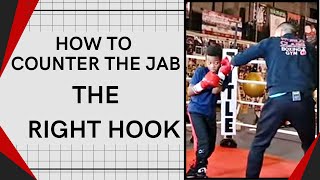
How To Counter The Jab With The Right Hook - Southpaw vs Orthodox
World Class Boxing Channel