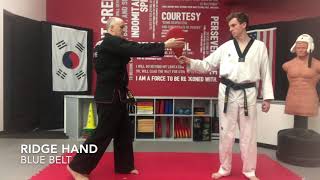
Introduction to the Ridge Hand Strike
The ridge hand strike, known as yuck-sudo in traditional terminology, is an advanced striking technique reserved for red belts and above. This powerful strike utilizes the triangular ridge area of the hand as the primary striking surface.
Identifying the Striking Surface
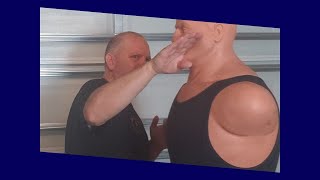
The striking area is the ridge of the hand formed by the inner edge between the thumb and fingers. Practitioners must tuck the thumb inward securely and ensure the hand is properly inverted to maximize impact and prevent injury.
Stance and Delivery Methods
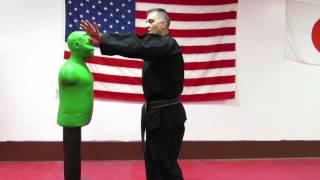
The ridge hand can be executed from either the front or back hand, typically thrown from a side stance using the front hand or a front stance using the back hand. Two primary delivery methods exist: the traditional long circular arc and the quick jabbing technique used in combinations.
The Critical Micro-Bend Principle
All ridge hand strikes must maintain a subtle micro-bend in the elbow—a one-degree bend that prevents hyperextension upon impact. This protective mechanism should be tested against pads or with a partner to ensure proper arm mechanics.
Arm Rotation and Hand Angle
The ridge hand incorporates a controlled twist as the arm extends, with the hand rotating inward. The thumb should point slightly downward at approximately a 10-degree inward angle rather than remaining level.
Common Execution Errors
The most frequent mistakes include failing to tuck the thumb, delivering the strike with no hip twist or wrist flick, and relying solely on arm movement without engaging the waist. Each error significantly diminishes the technique's effectiveness and power generation.
Application Testing Through Kata
The ridge hand appears in the kata Basai, where practitioners perform center chops followed by a hand block that transitions into a ridge hand strike targeting the opponent's occipital region. Partners should practice this application slowly and controlled, as minimal force is required due to the technique's inherent power.
Power Verification Through Board Breaking
Breaking boards serves as an objective measure of ridge hand effectiveness and proper technique integration. Practitioners should progress from light child boards to medium boards, ensuring proper waist rotation and full-body mechanics are generating force.
Combination Training and Practical Application
The ridge hand functions effectively in rapid combinations, particularly following back fists and knife-hand strikes. Training with focus pads while moving allows practitioners to develop speed and accuracy while maintaining proper thumb positioning.
Ki Cho Woon Dong - Ridge Hand Tutorial
Key Takeaways
- •Introduction to the Ridge Hand Strike
- •Identifying the Striking Surface
- •Stance and Delivery Methods
- •The Critical Micro-Bend Principle
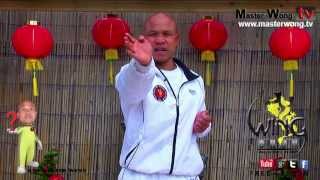
Here is a short tutorial for the Ridge Hand (Yuk Soo Do ) Technique
Frequently Asked Questions
What does this video teach about standard ridge hand strike?
This video covers introduction to the ridge hand strike, identifying the striking surface, stance and delivery methods. It provides detailed instruction from Heads of the Valleys Tang Soo Do.
How long does it take to learn standard ridge hand strike?
The basic mechanics can be understood in a single session, but developing reliable execution requires consistent drilling over weeks of practice. This 9-part breakdown helps structure your training by isolating each phase of the technique.
What are the key details for finishing standard ridge hand strike?
Breaking boards serves as an objective measure of ridge hand effectiveness and proper technique integration. Practitioners should progress from light child boards to medium boards, ensuring proper waist rotation and full-body mechanics are generating force.