Positioning and Angle
When executing the reverse butterfly sweep, the practitioner must angle their body sideways rather than remaining square to their opponent. Sitting up square makes it easy for the opponent to take the back, so immediately transitioning to a sideways position reduces passing angles and limits the opponent's options.
Creating the Passing Disadvantage
By angling sideways, the practitioner closes off one side of their guard completely while the opposite side becomes difficult to pass due to distance and angle. This strategic positioning forces the opponent toward the weaker passing lane, allowing the practitioner to anticipate and defend against their advance.
Breaking the Grip and Foot Placement
The practitioner breaks the opponent's grip and establishes a foot on the opponent's hip to control distance and positioning. This grip break is essential for preventing the opponent from maintaining control and allows the practitioner to transition into the hook sweep setup.
Pulling the Arm Across
Once positioned, the practitioner pulls the opponent's arm across their body, creating a barrier that prevents the opponent from walking backward or shifting weight. This arm positioning is critical—if the practitioner loses this control, the opponent can escape and the technique fails.
Establishing the Hook
The practitioner secures the opponent with a hand grip on the belt or leg while placing their knee hook underneath the opponent's body. The hook placement must be precise and positioned to block the opponent's movement while the practitioner walks underneath them to establish dominant positioning.
Weight Distribution and Timing
Rather than relying solely on the practitioner's forward movement, the technique works because the opponent is simultaneously pushed backward through the hook placement. The practitioner must walk into the opponent while maintaining hook position to generate the sweep against a resisting opponent.
Managing the Intelligent Defense
An experienced opponent will avoid walking backward and instead remain static or sit back, requiring the practitioner to get tighter and closer to generate leverage. The practitioner must remain positioned behind the opponent's elbow to prevent the arm from coming back and the opponent from regaining seated control.
The Finishing Position
When the opponent sits statically rather than moving, the practitioner transitions underneath them with the hook, generating the sweep even against a defending opponent. Getting close enough to attach leverage underneath the opponent is essential, as trying to sweep from distance provides no mechanical advantage.
Critical Setup Detail: The Arm Control
The most challenging and essential element of this technique is establishing the arm across the opponent's body. Once this control is secured, the practitioner simply needs to attach underneath and control the opponent's positioning to complete the sweep.
BJJ START Technique – Reverse hook sweep from butterfly guard
Key Takeaways
- •Positioning and Angle
- •Creating the Passing Disadvantage
- •Breaking the Grip and Foot Placement
- •Pulling the Arm Across
Many years of experience teaching the art of Brazilian Jiu-Jitsu around the world makes Professor ‘Gordinho’ a specialist in dealing with people in the martial arts business. His philosophy of teaching is based on creating a family style atmosphere where people can train in a friendly, clean and healthy environment, helping and developing together but always evolving and growing as a martial artist within individual skills and personal limits.
Frequently Asked Questions
What does this video teach about standard reverse butterfly sweep?
This video covers positioning and angle, creating the passing disadvantage, breaking the grip and foot placement. It provides detailed instruction from Start Jiu Jitsu.
How long does it take to learn standard reverse butterfly sweep?
The basic mechanics can be understood in a single session, but developing reliable execution requires consistent drilling over weeks of practice. This 9-part breakdown helps structure your training by isolating each phase of the technique.
What are the key details for finishing standard reverse butterfly sweep?
When the opponent sits statically rather than moving, the practitioner transitions underneath them with the hook, generating the sweep even against a defending opponent. Getting close enough to attach leverage underneath the opponent is essential, as trying to sweep from distance provides no mechanical advantage.
Related videos
33a Reverse Butterfly Sweep
Pathfinder Jiu-Jitsu Team
X-GUARD: Sweep #1
BJJ Joe
Reverse Butterfly Sweep | 33f
Pathfinder Jiu-Jitsu Team
3 Butterfly Guard Concepts That’ll Make Your Sweeps More Technical
Chewjitsu
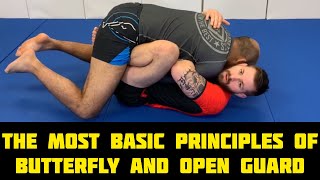
The Most Basic Principles Of Butterfly And Open Guard by Gordon Ryan
Bernardo Faria BJJ Fanatics