Foot Positioning and Stability Trade-offs
A practitioner can sit either on their toes or on their heels when establishing closed guard position. Sitting on the heels provides greater stability at the cost of mobility, which is the preferred approach since the top player has limited movement options anyway.
Head and Shoulder Alignment
The head and shoulders must remain in front of the hips to prevent being swept when the bottom player pulls with leg pressure. Leaning back to compensate for pulling forces creates vulnerability to sweeps and reduces defensive effectiveness.
Tailbone Tucking and Knee Positioning
Tucking the tailbone—similar to a dog tucking its tail—creates a rounded back and prevents the top player from being pulled forward even without hand support. This is combined with pinched knees to create an immovable base against upward pulling forces.
Gi Grip Strategy
When wearing a gi, the top player must grab both lapels of the opponent's jacket to prevent them from opening their gi and breaking posture. A flat palm grip with the index finger inserted between the gi top and lapels is recommended.
Hand Positioning and Head Alignment
The head must always stay behind the wrist bone; if the head moves in front of the wrist, pulling forces will bring the top player forward. The front hand controls the opponent around the sternum area while the back hand protects against leg climbing.
Back Hand Defense Against Leg Climbing
The back hand prevents the bottom player from climbing their legs up the body, which could lead to arm locks or triangle chokes. The hand is hooked with the elbow inside the body line to prevent the opponent from either pushing it between their legs or grabbing the wrist.
Shoulder Engagement and Guard Pressure
Once the back hand is established inside the opponent's guard, engaging the shoulder applies downward pressure on their legs and makes it harder for them to maintain the guard. Alternating hands maintains control when the opponent tries to force through one side.
Chin Position and Spinal Alignment
The chin must be kept up and back, with the jaw pulled inward to align the neck with the spine. This creates structural alignment so the skeleton bears the load rather than muscle, making it significantly harder for the bottom player to break posture through collar grabs or neck ties.
Invisible Structure That Makes a Good Posture
Key Takeaways
- •Foot Positioning and Stability Trade-offs
- •Head and Shoulder Alignment
- •Tailbone Tucking and Knee Positioning
- •Gi Grip Strategy
Try out SBG University for a month for free. Use the code: YOUTUBEFREE https://sbgu.samcart.com/referral/OD1DNOAi/vUiYFZg8SxVUHRex For more SBG International BJJ and MMA instructional videos check: www.sbguniversity.com Also, check the BJJ Q&A with founder of SBG Matt Thornton here: https://youtu.be/pghir7WyisY Learn more about SBG here: https://sbgi-pdx.com/ #bjj #brazilianjiujitsu #SBG
Related Techniques
Frequently Asked Questions
What does this video teach about posture defence?
This video covers foot positioning and stability trade-offs, head and shoulder alignment, tailbone tucking and knee positioning. It provides detailed instruction from SBG PDX & Vancouver BJJ and MMA Videos.
How long does it take to learn posture defence?
The basic mechanics can be understood in a single session, but developing reliable execution requires consistent drilling over weeks of practice. This 8-part breakdown helps structure your training by isolating each phase of the technique.
What are the key details for finishing posture defence?
Once the back hand is established inside the opponent's guard, engaging the shoulder applies downward pressure on their legs and makes it harder for them to maintain the guard. Alternating hands maintains control when the opponent tries to force through one side.
Related videos
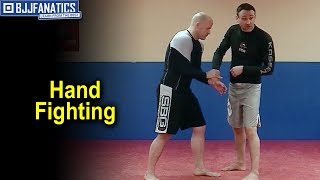
Hand Fighting by Stephen Whittier
BJJ Fanatics
Digging Under The Chin - Back Control Basics Part 12
RVV BJJ
TRITAC Frames Explained (Defence Lab Shapes | Keysi Pensador) | Part 1 of 6
TRITAC Martial Arts
Best Way to Tuck Your Chin: Eat Punches on the Top of your Head?!
fightTIPS
The Hand Fighting Blueprint Every Wrestler Needs | Wrestling Fundamentals: Techniques for Beginners
Systematic Wrestling