Twister Side Control Fundamentals
Twister side control differs from standard side control through deliberate leg hooking mechanics. The practitioner hooks the opponent's left leg with their left leg after the opponent turns into them, creating an unstable position that sets up the truck transition.
Maintaining Base and Balance
The critical principle in twister side control is keeping the hips elevated and off the ground at all times. A grounded position allows the opponent to push the practitioner down, escape to guard, or reverse position entirely.
Flexibility and Hand Control
Extended leg positioning creates submission threats and forces the opponent's hands away from the hips. Repeated leg extensions condition opponents to shorten their hand placement, reducing their defensive leverage and increasing submission vulnerability.
Establishing Position After the Turn
Once the opponent turns to their side, the practitioner shifts onto their left knee with the knee bolted to the opponent's hip. The left knee placement prevents the opponent's right leg from escaping underneath, which would allow them to flip the truck or take the back.
The Fish Net: Essential Control
The fish net is executed by threading the right arm behind the opponent's legs and underhooking their right leg, driving the elbow to the ground. This prevents the opponent from flattening their back and positions their legs perfectly for the leg hook, while simultaneously blocking any underneath escape.
The Love Handle: Immobilization
Applied by hugging the opponent's waist with the left arm just above the hip, the love handle eliminates squirming and repositioning. Combined with pressure from the knee on the hip, this creates the stable platform needed to attack the leg hook.
Opening and Hooking the Leg
The right leg opens the opponent's left leg wide, keeping the opening on the outside to avoid blocking the left leg hook. Once space is created, the left leg secures the hook, and the practitioner locks it down before transitioning to the truck.
Removing Grips and Rolling to Truck
After securing the leg lock, the love handle is removed and replaced with a gable grip to control the hooked leg. The practitioner maintains the fish net, balances on both knees, and rolls directly into the truck while controlling the opponent's free leg at the ankle.
Eddie B. - twister side control to truck
Key Takeaways
- •Twister Side Control Fundamentals
- •Maintaining Base and Balance
- •Flexibility and Hand Control
- •Establishing Position After the Turn
Related Techniques
Frequently Asked Questions
What does this video teach about twister from truck?
This video covers twister side control fundamentals, maintaining base and balance, flexibility and hand control. It provides detailed instruction from radiancethe.
How long does it take to learn twister from truck?
The basic mechanics can be understood in a single session, but developing reliable execution requires consistent drilling over weeks of practice. This 8-part breakdown helps structure your training by isolating each phase of the technique.
What are the key details for finishing twister from truck?
The right leg opens the opponent's left leg wide, keeping the opening on the outside to avoid blocking the left leg hook. Once space is created, the left leg secures the hook, and the practitioner locks it down before transitioning to the truck.
Related videos
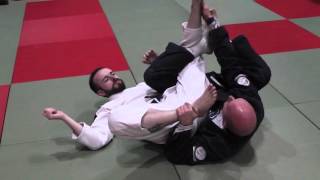
twister side control / the truck / back
Black Dragon BJJ / Cobra Kai Karate Dungannon
The Easiest Way to do the Twister
Stephan Kesting
twister side control / the truck / back
Black Dragon BJJ / Cobra Kai Karate Dungannon
The twister submission
CCMA Complete Control Martial Arts
How to do a PERFECT Twister
Brandon Quick