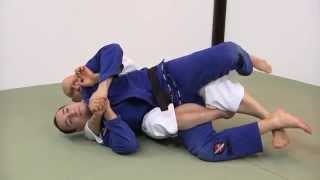
Introduction to the Twister Submission
The twister is an unconventional back control submission that differs from traditional textbook approaches. While historically known by other names in wrestling, this technique has proven effective in modern grappling and MMA competition. The instructor emphasizes this is an advanced option for practitioners seeking to expand their submission arsenal.
Optimal Positioning for the Twister Setup
The twister should only be attempted when the opponent's hips are elevated and driving upward into the attacker. If the attacker maintains high hips while the opponent stays low, this is an unfavorable position for the submission attempt. Timing the setup when the opponent begins their hip drive creates the ideal window for execution.
Initial Hook Removal and Hip Elevation
The first step involves removing the underhook-side hook and repositioning it underneath the opponent's buttocks. This movement allows the attacker to lift the opponent's hips higher and deeper into their body position. The attacker's knee then elevates the opponent's hips further while tipping them to the underhook side.
Establishing the Far Leg Lock
After elevating the opponent's hips, the attacker's leg comes over deeply to lock down the opponent's far leg. This creates compression and prevents the opponent from escaping laterally. The leg lock is essential for maintaining control throughout the submission sequence.
The Baseball Bat Grip Setup
The attacker's underhook arm secures the opponent's bicep while the other arm wraps around the opponent's arm, pinning it to the attacker's chest. The attacker then catches the opponent's wrist with their hand, creating a two-on-one grip known as the baseball bat position. This grip configuration keeps the opponent's arm firmly controlled and stuck to the attacker's body.
Threading the Arm and Shoulder Through
With the baseball bat grip secured, the attacker drives their elbow and shoulder high through the gap created between their body and the opponent's arm. The attacker's arm is then repositioned behind their head and locked into place. The attacker's armpit transitions over the opponent's shoulder to increase pressure on the neck.
Maintaining Hip Control During Execution
Throughout the submission process, the attacker must prevent the opponent's hips from creating distance. The attacker keeps the opponent's hips elevated, the leg stretched, and maintains close body connection. This hip control is critical to successfully finishing the twister without allowing escape.
Finishing the Twister Submission
Once the arm is locked behind the head and positioned over the opponent's shoulder, the attacker uses both hands to create the final finishing pressure. The lower hand hugs underneath the opponent's neck while the overhand wraps over the head, bringing the opponent's head toward the attacker's body. The attacker lifts the opponent's hips while executing the final twist to complete the submission.
Strategic Value and Application
The twister provides an unorthodox alternative to traditional back control submissions, keeping opponents uncertain about potential finishing options. Even unsuccessful twister attempts can create openings for conventional chokes by forcing the opponent to adjust their defense. This technique expands a grappler's back control arsenal and increases submission success rates through tactical variety.
The twister submission
Key Takeaways
- •Introduction to the Twister Submission
- •Optimal Positioning for the Twister Setup
- •Initial Hook Removal and Hip Elevation
- •Establishing the Far Leg Lock
The twister is a great submission from the back especially when your opponents hips are elevated. Today's video will show you both the set up and the finishing details of the twister. Again Props to Suman Mokhtarian for being good enough to pull off a twister in live mma
Related Techniques
Frequently Asked Questions
What does this video teach about twister from back ride?
This video covers introduction to the twister submission, optimal positioning for the twister setup, initial hook removal and hip elevation. It provides detailed instruction from CCMA Complete Control Martial Arts.
How long does it take to learn twister from back ride?
The basic mechanics can be understood in a single session, but developing reliable execution requires consistent drilling over weeks of practice. This 9-part breakdown helps structure your training by isolating each phase of the technique.
What are the key details for finishing twister from back ride?
Once the arm is locked behind the head and positioned over the opponent's shoulder, the attacker uses both hands to create the final finishing pressure. The lower hand hugs underneath the opponent's neck while the overhand wraps over the head, bringing the opponent's head toward the attacker's body. The attacker lifts the opponent's hips while executing the final twist to complete the submission.