Elbow Strikes: Open Hand vs. Closed Fist
When executing elbow strikes, an open hand position provides superior advantages over a closed fist. With an open hand, the forearm muscles remain relaxed and loose, allowing for more efficient rotational power and faster elbow delivery. A closed fist tightens the rotator cuff, increasing shoulder injury risk and reducing the natural whipping motion of the strike.
Anatomical Protection in Open-Hand Elbows
The fingers remain safely positioned near the head during elbow strikes and are never exposed to impact. During upward elbows, the open fingers actually protect the back of the head while the elbow point drives forward. This positioning makes the concern about finger damage irrelevant to practical application.
Crescent Kick: Purpose and Application
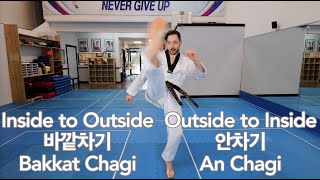
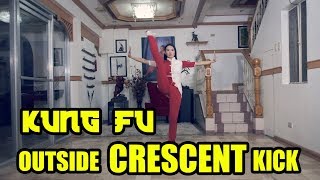
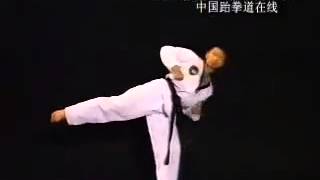
The crescent kick is a close-range head strike executed from within clinch distance or collar-tie range. Practitioners can execute inside crescent kicks by whipping the strike from the center line to the side of the opponent's head using the outer leg or foot. This technique becomes significantly more effective through proper practice and integration into combination sequences.
Crescent Kick as a Setup Tool
Beyond direct striking, the crescent kick functions as a powerful feint to manipulate an opponent's defensive positioning. By throwing a high crescent kick, practitioners force the opponent to raise their guard, creating openings for follow-up strikes like low round kicks to the body. This combination approach requires substantial practice and confidence in close-range fighting.
Building Infighting Confidence for Close-Range Techniques
Beginners often maintain excessive distance during sparring due to fear of contact, making close-range techniques like crescent kicks impractical. Developing infighting skills is essential to bridge this distance and deploy these techniques effectively. Styles like Wing Chun emphasize infighting academically, but practitioners must build confidence through controlled, full-contact sparring.
Front Kick Recovery: The Re-Chamber Method
When executing front kicks with the intention to advance, practitioners should re-chamber the leg rather than simply dropping it forward. This re-chamber motion makes the kick significantly harder to catch, a critical consideration when training in styles that emphasize leg captures like Sunda. A sloppy, unreturned front kick can be exploited with a single-leg takedown by a skilled opponent.
Integrating Front Kicks into Forward Combinations
The front kick can effectively bridge distance to close range while maintaining defensive integrity through proper re-chambering. This technique allows practitioners to use the kick as a setup for close-range attacks like crescent kicks to the head. Proper re-chamber mechanics ensure the advancing practitioner maintains balance and defensive posture throughout the combination.
Elbows & Hands. What’s a Crescent Kick for? Re-chamber your front kicks.
Key Takeaways
- •Elbow Strikes: Open Hand vs. Closed Fist
- •Anatomical Protection in Open-Hand Elbows
- •Crescent Kick: Purpose and Application
- •Crescent Kick as a Setup Tool
Q&A with the coach Let’s talk technique
Related Techniques
Frequently Asked Questions
What does this video teach about front leg crescent kick?
This video covers elbow strikes: open hand vs. closed fist, anatomical protection in open-hand elbows, crescent kick: purpose and application. It provides detailed instruction from Ramsey Dewey.
How long does it take to learn front leg crescent kick?
The basic mechanics can be understood in a single session, but developing reliable execution requires consistent drilling over weeks of practice. This 7-part breakdown helps structure your training by isolating each phase of the technique.
What are the key details for finishing front leg crescent kick?
When executing front kicks with the intention to advance, practitioners should re-chamber the leg rather than simply dropping it forward. This re-chamber motion makes the kick significantly harder to catch, a critical consideration when training in styles that emphasize leg captures like Sunda. A sloppy, unreturned front kick can be exploited with a single-leg takedown by a skilled opponent.