Foundational Concept: Thrust and Slash Integration
The slash cut follows directly from the thrust using the same body mechanics and positioning. Rather than treating these as separate techniques, practitioners should understand that every thrust naturally transitions into a slash by reversing direction. This integrated approach eliminates rigid pauses between movements and maintains continuous flow.
Hand Positioning for Thrust Execution
During a thrust, the side of the hand maintains contact with the opponent's body to ensure proper alignment and control. When executing a reverse thrust (pakao), the same hand positioning principle applies. Correct hand placement is essential for generating power and maintaining structural integrity throughout the movement.
Adapting Body Mechanics to Target Position
If a practitioner cannot execute a cut from their current body position, this indicates the need to adjust stance and mechanics. Rather than forcing the technique, repositioning the body allows for proper mechanical execution. This adaptive principle ensures efficiency and prevents compensatory movements that compromise technique.
Progressive Target Practice: Hip Level
Practitioners begin drilling thrust and slash combinations at hip height before advancing to higher targets. This progression establishes foundational mechanics and consistency at a controllable distance. Maintaining proper hip-level cuts ensures practitioners develop solid fundamentals before introducing neck and upper body targets.
Advancing to Neck Level Targets
After establishing proficiency at hip level, practitioners progress to neck-height targets using identical mechanics. The transition maintains the same thrust-slash rhythm and hand positioning developed at lower heights. Partners should adjust their stance as needed to accommodate height differences during practice.
Mixed Target Drill: Alternating High and Low
Practitioners combine hip and neck-level cuts in rapid succession against the same opponent, alternating between targets unpredictably. This drill develops adaptability and forces the body to adjust mechanics fluidly between different heights. The continuous alternation reinforces the principle that proper mechanics apply across all target levels.
Bilateral Training: Opposite Side Execution
After mastering the initial side, practitioners repeat all drills on the opposite side using the same progression from hip to neck to mixed targets. This bilateral practice ensures balanced development and prevents dominant-side reliance. Equal training on both sides creates well-rounded technical competency in thrust and slash combinations.
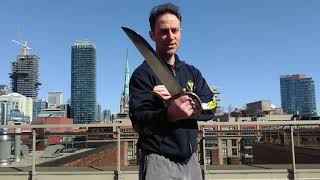
16.2 Drill your Thrust & Slash movements (Pakal) | Filipino Martial Arts Flow Part 4
Key Takeaways
- •Foundational Concept: Thrust and Slash Integration
- •Hand Positioning for Thrust Execution
- •Adapting Body Mechanics to Target Position
- •Progressive Target Practice: Hip Level
Work on your thrust and slash! Learn the concept of thrust and slash with Apolo Ladra, founder of iKali, Wika Sports, FKA Martial Arts and Blackbelt Magzine's Weapons Instructor of the Year teach and work on techniques with the iKali family in this video. Learn more about us and get the latest updates: Art of Blade: http://www.artofblade.com Wika Sports: http://www.wikasports.org Facebook: Art of Blade: https://www.facebook.com/artofblade Tuhon Apolo: https://www.facebook.com/TuhonApolo Train in our Academies: FKA Maryland HQ - https://filipinokaliacademy.com/ FKA New Jersey - https://fkanewjersey.com/
Related Techniques
Frequently Asked Questions
What does this video teach about slash cut?
This video covers foundational concept: thrust and slash integration, hand positioning for thrust execution, adapting body mechanics to target position. It provides detailed instruction from iKali TV.
How long does it take to learn slash cut?
The basic mechanics can be understood in a single session, but developing reliable execution requires consistent drilling over weeks of practice. This 7-part breakdown helps structure your training by isolating each phase of the technique.
What are the key details for finishing slash cut?
Practitioners combine hip and neck-level cuts in rapid succession against the same opponent, alternating between targets unpredictably. This drill develops adaptability and forces the body to adjust mechanics fluidly between different heights. The continuous alternation reinforces the principle that proper mechanics apply across all target levels.
Related videos
How to Cut With a Rapier - Learning Sword Fighting
Blood and Iron HEMA
Learn Cool Sword Spins with World Champion Jewelianna Ramos Ortiz
Oss TV
3 Ways to Upper Cut
The Sword Lynx
Shihan Dana Abbott Sword Training: DAILY 4: Upward and Downward Cutting Angles
Learnthesword
Upward figure 8 pattern for Wing Chun Knife practice.
rykenfu