Introduction to Sinawali Technique
Sinawali is a fundamental Filipino martial arts weaving pattern executed with dual weapons. This instructional breakdown focuses on two core combinations: the slash-thrust-slash-jab sequence and the diagonal uppercut weaving pattern. Mastery of these techniques builds essential hand coordination and weapon control.
Slash-Thrust-Slash-Jab Combination
The practitioner begins with the left stick positioned high on the right side of the body while the right stick remains in low ready position. Execute a slash with the left weapon, immediately follow with a thrust from the right, then cross both hands before uncrossing to deliver a final left slash and right jab. This four-strike sequence develops rhythmic transitions and hand weaving coordination.
Diagonal Uppercut Weaving Pattern
Begin with a right-side forehand diagonal uppercut, immediately followed by a left-side forehand diagonal uppercut. Continue the weaving by transitioning both hands to backhand diagonal uppercuts in the same sequence. The alternating forehand-to-backhand transition, combined with hand crossing and uncrossing, creates the complete weaving cycle.
Proper Grip Maintenance
Maintain a secure grip using the last two fingers and palm to control the weapon throughout all weaving combinations. Practitioners must avoid gripping with only the thumb and forefinger, as this compromises weapon control and safety during rapid transitions. Proper grip ensures consistent execution and prevents accidental weapon loss during advanced practice.
Progressive Training Methodology
All Sinawali combinations must be learned using training tools such as rattan sticks, wooden training swords, or aluminum practice blades. Only after achieving mastery with training equipment should practitioners gradually advance to live blades, progressing at a controlled, deliberate pace. This safety-first approach develops the hand-eye coordination and timing necessary for safe live blade work.
Integration with Live Blades
Once hand coordination reaches advanced proficiency levels with training tools, the practitioner may transition these same techniques to actual blades for which they were originally designed. The fundamental mechanics remain identical; only the tool changes from practice implement to live weapon. This progression ensures the practitioner is adequately prepared for the increased demands of blade work.
Safety and Practice Recommendations
Always prioritize safety by training with appropriate equipment and maintaining strict form throughout all combinations. Practice both sequences repeatedly to develop muscle memory and automatic hand coordination. Consistent, controlled practice with training tools is the foundation for advancing to live blade techniques in Filipino martial arts.
SINAWALI Technique Breakdown | Filipino Martial Arts
Key Takeaways
- •Introduction to Sinawali Technique
- •Slash-Thrust-Slash-Jab Combination
- •Diagonal Uppercut Weaving Pattern
- •Proper Grip Maintenance
Hey FIT-GAMERS, In this video, we are breaking down two techniques from a previous double sword video, found right here: https://www.youtube.com/watch?v=B4zSkQxehcw&index=20&list=PLVvouLh_YY_BIroAEM0724gTIOmADhV-K Website: http://www.fit-gamers.com/ Facebook Group: https://www.facebook.com/groups/1655921754662522/?ref=bookmarks
Related Techniques
Frequently Asked Questions
What does this video teach about single sinawali?
This video covers introduction to sinawali technique, slash-thrust-slash-jab combination, diagonal uppercut weaving pattern. It provides detailed instruction from JoeyBslash 3.
How long does it take to learn single sinawali?
The basic mechanics can be understood in a single session, but developing reliable execution requires consistent drilling over weeks of practice. This 7-part breakdown helps structure your training by isolating each phase of the technique.
What are the key details for finishing single sinawali?
Once hand coordination reaches advanced proficiency levels with training tools, the practitioner may transition these same techniques to actual blades for which they were originally designed. The fundamental mechanics remain identical; only the tool changes from practice implement to live weapon. This progression ensures the practitioner is adequately prepared for the increased demands of blade work.
Related videos
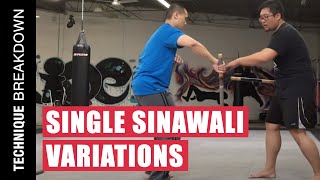
Single Sinawali Variations and Box Pattern Sumbrada in Filipino Martial Arts | Kali | Eskrima
FMA Pulse

SINGLE ADVANCE SINAWALI TUTORIAL
MATTI San Juan Official
Arnis Double Stick Reverse Sinawali with X- Footwork/Self Defense
Master Tirso Tv

REVERSE DOUBLE SINAWALI - TUTORIAL
MATTI San Juan Official

REVERSE PERIPHERAL SINAWALI | ARNIS TUTORIAL
MATTI San Juan Official