Understanding Pressure Point Strikes
Pressure point striking techniques target vulnerable anatomical areas to disable opponents efficiently. These methods rely on precise anatomical knowledge rather than supernatural abilities, focusing on nerve clusters, arterial pathways, and organ locations. Practitioners must study human anatomy extensively to apply these techniques safely and effectively.
Nerve Strike Fundamentals
Nerve strikes target specific nerve clusters such as the brachial plexus in the shoulder or tibial nerve in the leg to incapacitate limbs temporarily. A well-executed nerve strike can cause localized paralysis or acute pain that compromises an opponent's mobility. These techniques are prohibited in competitive sports due to their potential for serious injury.
Breath Control and Kinetic Power
Coordinating breath with striking mechanics amplifies force delivery to vital targets like the solar plexus and floating ribs. Proper breathing patterns enable practitioners to generate explosive power while maintaining control and stability. This integration of respiratory technique with biomechanics is foundational to effective striking systems.
Small Joint Manipulation Techniques
Small joint manipulation targets the fingers, toes, and wrists to create immediate pain and potential structural damage with minimal force application. Unlike joint locks that allow for controlled submission, these techniques prioritize rapid incapacitation. Their effectiveness in self-defense scenarios has resulted in near-universal prohibition in competitive combat sports.
Leg Scissor Takedowns and Joint Risk
Flying scissors takedowns create rotational forces that can cause severe ligament tears, knee dislocations, and fractures. The technique's mechanism—wrapping legs around an opponent's legs while applying sweeping motion—generates substantial torque on vulnerable knee structures. These takedowns have been officially banned from most judo competitions due to injury severity.
Historical Weapons Training Systems
Filipino martial arts systems including Kali, Arnis, and Escrima develop simultaneous dual-blade proficiency through specialized footwork and timing drills. These systems emphasize continuous striking patterns and spatial awareness rather than individual techniques. The arts were historically suppressed during colonization periods when blade carrying was outlawed.
Conditioned Strike Techniques
Certain striking methods such as toe kicks require years of progressive conditioning to harden target areas and prevent self-injury. Practitioners repeatedly contact hard surfaces to develop the physical tolerance necessary for effective execution. The high risk of self-injury during training limits the practical application of these specialized techniques in modern practice.
Forbidden Martial Arts: 10 Lethal Techniques That Can End a Fight in Seconds
Key Takeaways
- •Understanding Pressure Point Strikes
- •Nerve Strike Fundamentals
- •Breath Control and Kinetic Power
- •Small Joint Manipulation Techniques
Are these martial arts myths—or forbidden secrets too deadly to teach? 🥋 In this video, we reveal 10 forbidden martial arts techniques so dangerous they were banned, hidden, or erased from history. From the legendary Dim Mak “Death Touch” to nerve strikes, flying scissors takedowns, and bone-breaking animal styles, discover the deadliest fighting moves ever created. These are not your typical dojo lessons… these are the techniques that terrified even the masters. ⚔️ What You’ll Learn in This Video ✅ The truth behind Dim Mak – the Death Touch ✅ Nerve strikes that instantly disable limbs ✅ The Shaolin breath-control strike that can knock out opponents ✅ Eye-gouging and small-joint manipulation for survival situations ✅ The banned Kani Basami flying scissors takedown ✅ Dual-blade fighting from ancient Filipino warriors ✅ The deadly toe-kick (Sumasaki Gary) and animal-style bone breakers ✅ Why these moves were forbidden in modern combat sports 🔥 Watch Next 🎥 Top 10 Martial Arts Weapons Too Dangerous for the Ring 🎥 The Truth Behind Dim Mak – Can a Touch Really Kill? 💬 Engage With Us If you found this fascinating, hit LIKE, SUBSCRIBE, and comment below: 👉 Which technique shocked you the most? ⏱ Chapters 00:00 – Introduction: The Myths Behind Forbidden Techniques 01:10 – Dim Mak – The Death Touch 02:25 – Nerve Strikes That Disable Limbs 03:38 – Shaolin Breath Control Strike 04:55 – Eye Gouging – The Ultimate Survival Move 06:12 – Small Joint Manipulation 07:30 – Kani Basami – The Flying Scissors Takedown 08:00– Dual Blade Fighting from the Philippines 08:21 – Conclusion – Why These Moves Were Never Meant to Be Seen
Related Techniques
Frequently Asked Questions
What does this video teach about disengage attack?
This video covers understanding pressure point strikes, nerve strike fundamentals, breath control and kinetic power. It provides detailed instruction from Master Yourself.
How long does it take to learn disengage attack?
The basic mechanics can be understood in a single session, but developing reliable execution requires consistent drilling over weeks of practice. This 7-part breakdown helps structure your training by isolating each phase of the technique.
What are the key details for finishing disengage attack?
Filipino martial arts systems including Kali, Arnis, and Escrima develop simultaneous dual-blade proficiency through specialized footwork and timing drills. These systems emphasize continuous striking patterns and spatial awareness rather than individual techniques. The arts were historically suppressed during colonization periods when blade carrying was outlawed.
Related videos
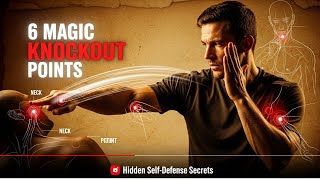
6 Forbidden Knockout Pressure Points (Martial Arts Secrets You’re Not Supposed to Know)
Master Yourself

HOW to FINISH a FIGHT in 3 SECONDS || Nick Drossos
Nick Drossos Defensive Tactics
JKD. 5 Ways of Attack
totallycompleteJKD
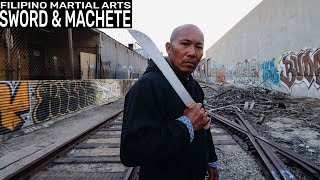
Filipino Martial Arts Training: Machete & Sword 6 Count Drill
Budo Brothers
How to Fight with Chinese Broadsword 22- Direct Attack
Taoist In Black