Setup: The Overhook Control
From guard, the practitioner wedges both arms underneath the opponent's arms with palms together in a prayer position. By raising the hands toward the sky, this creates leverage that allows the arms to slide through as the knees pull inward. An overhook is established with a collar tie, keeping the opponent's head pinned firmly against the chest.
Hip Escape and Leg Positioning
The practitioner places their foot on the opponent's hip and shrimps out, causing the knee to pinch against the opponent's back while the calf curls into their ribcage. This movement creates space to slide the hand down toward the opponent's bicep and establish a tricep grip before transitioning to a wrist grip.
Triangle Entry and Foot Placement
When the opponent pulls back against the wrist grip, the practitioner clears their foot by bringing the knee to their armpit. The calf then wraps around the back of the opponent's neck, and the shin is grabbed to secure the triangle. A slight angle improves the lock but is not essential for the arm-in-back variation.
Securing the Arm and Finishing Position
The practitioner's free arm remains pinned in their own armpit to prevent defensive use. They grip their own knee while squeezing laterally, using both legs to drive the opponent's shoulder and neck together. This squeeze-based finish, rather than a chop, creates relentless pressure that forces the tap.
Defense Against the Leg Hug
When a skilled opponent recognizes the triangle threat and hugs the leg tightly, the practitioner straightens their leg to lift the opponent's elbow. This movement causes the opponent's arm to naturally compress against their own body, pinning the hand to the chest and allowing the leg to swing freely around the neck.
Catch Position and Angle Adjustment
If the initial angle is poor, the practitioner transitions to a catch position rather than forcing the triangle across the calf. The feet are repositioned with one foot on the opponent's hip while adjusting angles until the calf aligns properly on the back of the neck, then the triangle is secured.
Preventing Slams in Live Situations
In competition jiu-jitsu, slamming is prohibited, but in self-defense contexts, the practitioner must secure additional points of contact. Reaching either under the opponent's thigh or under their arm provides additional stability against being driven to the ground while maintaining the triangle.
Re-securing Against Defensive Movement
As the opponent fights the position by moving and shifting, the practitioner's grip on both knees becomes critical for maintaining control. By reaching across to grab the shin and placing the foot on the hip, the practitioner keeps the position tight enough to prevent the opponent from escaping before executing the final lateral crush.
Damn Good Guard Triangle
Key Takeaways
- •Setup: The Overhook Control
- •Hip Escape and Leg Positioning
- •Triangle Entry and Foot Placement
- •Securing the Arm and Finishing Position
Using an overhook from full guard to set up a triangle, plus a backup plan. Please Like, Comment, Share and Subscribe for more content.
Related Techniques
Frequently Asked Questions
What does this video teach about a damn good guard?
This video covers setup: the overhook control, hip escape and leg positioning, triangle entry and foot placement. It provides detailed instruction from Mood Swing.
How long does it take to learn a damn good guard?
The basic mechanics can be understood in a single session, but developing reliable execution requires consistent drilling over weeks of practice. This 8-part breakdown helps structure your training by isolating each phase of the technique.
What are the key details for finishing a damn good guard?
In competition jiu-jitsu, slamming is prohibited, but in self-defense contexts, the practitioner must secure additional points of contact. Reaching either under the opponent's thigh or under their arm provides additional stability against being driven to the ground while maintaining the triangle.
Related videos
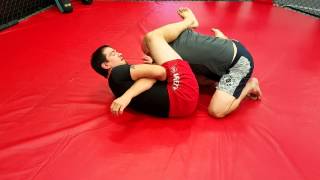
Move of The Day: "Damn Good Guard" to Triangle
JitzLive
Move of the Day: Damn good guard to oma plata and Triangle
JitzLive
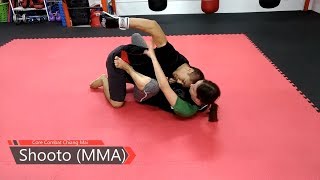
Core Combat Shooto (MMA) Drilling Guard Tactics
Sakan Lam
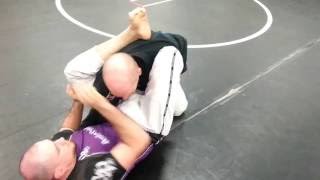
Move of the Day: Damn good guard
JitzLive
38 Closed Guard BJJ Combinations Everyone Should Know in 4 Minutes - Jason Scully
The Grapplers Guide by Jason Scully