Introduction to the Knee Slide Pass
Gui Mendes introduces the knee slide pass, a technique he adopted as a blue belt to improve positional stability in side control. Unlike many practitioners, Mendes gravitated toward top position through mastering this specific pass, which became foundational to his game.
The Problem with Chest-on-Chest Control
The traditional chest-on-chest side control position left Mendes vulnerable to leg-based escapes from stronger or more flexible opponents. When controlling only the upper body with knees on the mat, the opponent's free hips could generate sufficient pressure to dislodge him through leg sweeps or frame escapes.
Developing a Personal Control Formula
Mendes emphasizes that practitioners must find a side control stabilization method that feels natural and secure to their body type and strengths. The finish position should be consistent across all guard pass variations, creating a unified technical approach that connects multiple techniques seamlessly.
The Perpendicular Body Positioning Breakthrough
By angling his body perpendicular to his opponent rather than chest-to-chest, Mendes discovered he could block the opponent's legs with his back while controlling the hips with his elbow. This geometry converts the opponent's defensive pressure into a self-limiting mechanism that tires them out without requiring superior strength.
Initial Position: Reverse De La Riva Control
The entry begins with Mendes establishing reverse De La Riva position to control the opponent's top leg. Using a C-grip on either the collar or opponent's foot, he neutralizes the guard's structural integrity before advancing the pass.
Collar Grip as Control Anchor
The collar grip serves dual purposes: maintaining pressure distance and controlling the opponent's shoulder positioning. Releasing this grip prematurely signals loss of control and invites intensified resistance from the opponent.
Hip Line Crossing and Underhook Mechanics
As Mendes advances past the hip line, his head position becomes critical to maintain balance and mobility. Keeping the head low and tight to the hips allows him to secure an underhook while preventing the opponent from establishing their own underhook or exposing his back.
Weight Distribution and Shoulder Positioning
Proper weight distribution on the hips rather than the head prevents the opponent from consolidating an underhook or executing a reversal. Mendes maintains constant downward pressure through his hip while keeping his shoulders square to prevent rotation escapes.
Finishing Position and Submission Integration
The final position combines knee-on-mat base stability with collar control and an underhook, creating multiple submission pathways while maintaining defensive solidity. This configuration allows Mendes to transition seamlessly into attacks without sacrificing positional control.
Free Technique: Knee Slide Pass (Guard Pass System) | Gui Mendes | AOJ+
Key Takeaways
- •Introduction to the Knee Slide Pass
- •The Problem with Chest-on-Chest Control
- •Developing a Personal Control Formula
- •The Perpendicular Body Positioning Breakthrough
The Knee Slide Pass is one of the seven core techniques taught in the Guard Pass System. The Guard Pass System is a comprehensive look into the movement and techniques from Art of Jiu Jitsu's passing system. The study is broken down by sections and features insight, techniques, analysis and live action drills. Learn More: https://artofjiujitsu.com/pages/guard-pass-system Purchase Link: https://aojplus.artofjiujitsu.com/orders/checkout?c=1655184 Unlock Free Bundle: https://aojplus.artofjiujitsu.com/orders/customer_info?o=75494
Frequently Asked Questions
What does this video teach about shin slide pass?
This video covers introduction to the knee slide pass, the problem with chest-on-chest control, developing a personal control formula. It provides detailed instruction from ART OF JIU JITSU.
How long does it take to learn shin slide pass?
The basic mechanics can be understood in a single session, but developing reliable execution requires consistent drilling over weeks of practice. This 9-part breakdown helps structure your training by isolating each phase of the technique.
What are the key details for finishing shin slide pass?
Proper weight distribution on the hips rather than the head prevents the opponent from consolidating an underhook or executing a reversal. Mendes maintains constant downward pressure through his hip while keeping his shoulders square to prevent rotation escapes.
Related videos
How to Pass Half Guard Using the Shin Slice: Explained.
Tony Casarez
Shin Slide Pass by Marcus Buchecha Almeida
BJJ Fanatics
RDLR - Passing (Knee Cut - Shin Slide)
Flux MMA
BJJ TECHNIQUE - SHIN SLIDE + LONG STEP + OMAPLATA BACK TAKE
Roll Jiu Jitsu Academy
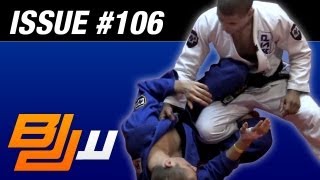
JT Torres - Opposite Side Shin Slide Pass - BJJ Weekly Issue #106
bjjweekly