Introduction to the Stack Pass
Professor Gustavo introduces the stack pass as an effective guard passing technique executed from the standing position. This pass is particularly effective against flexible opponents, though it remains advantageous against less flexible guards as well.
Initial Setup and Back Placement
The instructor begins by placing the opponent's back flat on the mat by lifting the ankles while they play open guard. This foundational position enables multiple passing options depending on the opponent's leg positioning and defensive responses.
Reading Guard Positioning
The passer assesses the opponent's leg configuration to determine the optimal passing strategy. When the opponent's legs form a 90-degree angle to their body, toreando or knee-on-belly passes become viable options.
Transitioning with Leg Extension
As the opponent extends their legs in response to lateral pressure, the passer can seamlessly transition to an X-pass. This adaptation demonstrates the importance of reading defensive movements during the pass execution.
Recognizing the Stack Position
When the opponent brings their knees toward their chest and rounds their back, they create the ideal conditions for stacking. The passer's thumbs control the inside of the opponent's legs, allowing for a thumb roll to secure the stack.
Thumb Roll Mechanics
The passer rotates their thumbs underneath the opponent's ankles to initiate the stack, maintaining control without releasing their grip. This mechanical detail prevents the opponent from escaping while the passer transitions their weight.
Leg Drag Pass Setup
After stacking and securing the opponent's ankles, the passer drops the opponent's legs to the mat while positioning their chest behind the opponent's hip. The passer then isolates one leg by driving their knee to the ground while maintaining ankle control.
Deep Hip Control and Pressure
The passer's free hand penetrates deeply between the opponent's thigh and chest to control the bottom hip. This deep positioning eliminates space in the armpit, preventing the opponent from executing effective hip escapes.
Completing the Leg Drag
The passer applies downward pressure with their knee while walking their hips around the opponent's body, dragging them toward the mat. Continuous deep hip control prevents the opponent from freeing their knee or escaping the pass.
Alternative Hand Positioning
When the passer cannot reach the bottom hip directly, they can control the top of the opponent's hip and switch their hands while lifting the opponent's buttocks. The passer then slides their hand deep to secure bottom hip control, pinning the leg and establishing dominant positional control.
Best Pass Against Flexible Guard Players - Stack Pass BJJ
Key Takeaways
- •Introduction to the Stack Pass
- •Initial Setup and Back Placement
- •Reading Guard Positioning
- •Transitioning with Leg Extension
Here is one of my favorite ways to pass the guard of a flexible guard player. As you know, a flexible guard can be very frustrating, it feels like you are making no progress when trying to pass... In this video I show you 2 variations of the stack pass, ending up in a leg drag position. . . . Click Here To Subscribe So You Never Miss A Video ➤ https://bit.ly/2CxCEvi BJJ Courses: https://www.mmaleech.com/best-bjj-instructionals-for-beginners/ Facebook: https://www.facebook.com/mmaleech/ Instagram: https://www.instagram.com/mmaleech/ Free BJJ Mini-Courses: https://www.mmaleech.com/free-stuff/
Frequently Asked Questions
What does this video teach about open guard stack pass?
This video covers introduction to the stack pass, initial setup and back placement, reading guard positioning. It provides detailed instruction from MMA Leech.
How long does it take to learn open guard stack pass?
The basic mechanics can be understood in a single session, but developing reliable execution requires consistent drilling over weeks of practice. This 10-part breakdown helps structure your training by isolating each phase of the technique.
What are the key details for finishing open guard stack pass?
The passer applies downward pressure with their knee while walking their hips around the opponent's body, dragging them toward the mat. Continuous deep hip control prevents the opponent from freeing their knee or escaping the pass.
Related videos
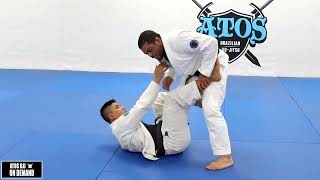
Throw By From Stack Pass - Andre Galvao
Atos Jiu-Jitsu HQ | World's Best BJJ Academy - Home Page

How To Avoid Being Choked with Double Under Stack Passes
Chewjitsu
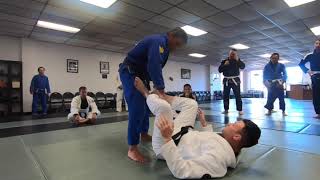
Jiu-Jitsu Technique: Stack Pass from Open Guard
Cassio Werneck BJJ
BJJ Stack Pass #bjjrolling
REALIZE BJJ LIFE

Rafael Mendes | Guard Passing Options Using the Shin Trap
ART OF JIU JITSU