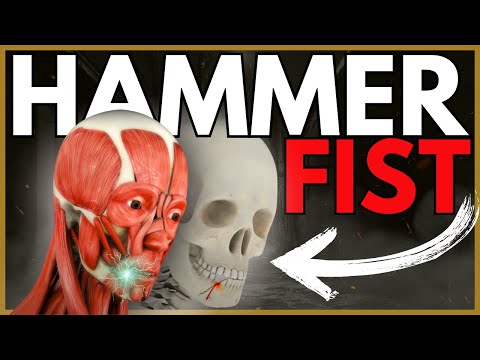
Mastering Martial Art's Ultimate Self Defence Strike: The Hammer Fist
0
Krav Maga Hammer Fist·Arakan Martial Art
Learn fast, powerful, effective street style self defence with Arakan Martial Art. Unlock the Power of one of the most …
Translation: krav maga hammer fist
Krav Maga combative striking developed for military and civilian self-defence. [1]
Maximum effectiveness for self-defence scenarios. [1]
Krav Maga combative tradition. [1]
Self-defence system — not used in sport competition
No images yet for this technique.
Sign in to suggest an image.
Learn fast, powerful, effective street style self defence with Arakan Martial Art. Unlock the Power of one of the most …
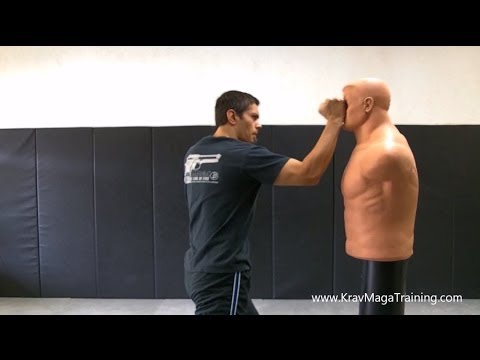
Using the correct starting position for the Forward Hammerfist is essential. A correct starting position allows for max…
http://www.psychetruth.net Krav Maga: Hammer Fist: How To Fight, Real Self Defense Techniques Krav Maga is Hebrew…
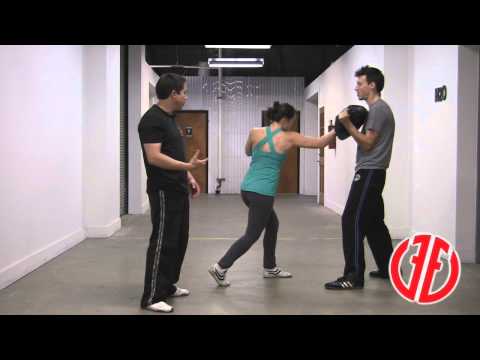
The Krav Maga hammer fist is a powerful striking technique that generates force through full-body rotation rather than arm isolation. All three instructors emphasize identical mechanics: the strike originates from the ground up through hip and shoulder rotation, with the point of contact being the muscular, meaty portion of the closed fist rather than the knuckles. Krav Maga Worldwide stresses the critical importance of starting position—the fist should chamber near the ear with palm facing the target and elbow positioned off to the side of the shoulder, creating a whipping effect that adds speed and snap. This position balances power generation with defensive coverage and prevents telegraphing. PsycheTruth reinforces that the forearm functions as a hammer handle and the fist as the hammer head, maintaining a slightly bent elbow throughout and contacting with muscular rather than skeletal surfaces. Arakan Martial Art provides detailed anatomical targeting information: jaw strikes risk fractures on both impact and opposite sides with potential brain trauma; solar plexus strikes cause respiratory distress; rib strikes penetrate deeply to damage internal organs. All instructors agree that proper form must be maintained even during slow, controlled practice to build correct muscle memory. Arakan emphasizes alignment between wrist and sternum centerlines to ensure whole-body power delivery, while PsycheTruth and Krav Maga Worldwide stress driving power through foot engagement and breathing.
Synthesized from 3 instructors
No instructional courses yet for this technique.
Sign in to suggest a course.
Risk of injury to the person this technique is applied to
Combative strike designed for real-world self-defence
Skill level needed to execute this technique reliably
Whether this technique is allowed under major competition rule sets
The Book of Krav-Maga: The Bible (Lichtenstein, 2007)
description, historyOrigin: sourced from Lichtenstein, Y
description, historyOrigin: sourced from Lichtenstein, Y
Accessible to all body types
Speed over power emphasis
The hammer fist is a core Krav Maga striking tool — the bottom of the fist swings like a hammer. Virtually zero self-injury risk compared to punches. Used as the primary ground-and-pound weapon and the follow-up after takedowns. (Krav Maga training manuals; Lichtenfeld system)
Your fist should be positioned close to your ear with your palm turned toward your target and your elbow off to the side in line with your shoulder. This position balances power and speed while protecting the side of your face and preventing telegraphing your intentions to your opponent.
Pulling your hand too far back telegraphs your intentions and gives your opponent more time to react and defend. It also increases the distance your strike must travel, making the technique slower overall.
Keep your elbow in line with your shoulder and rotate your whole body—twist your shoulders, hips, and pivot your back foot—rather than pulling your elbow back. This approach maximizes power while keeping the movement tight and less obvious to your opponent.
Arakan Martial Art emphasizes that you should align the middle of your wrist with the middle of your sternum at all times, so you're swinging with your whole body rather than independently with your arm, and the power comes from the ground up through your stance.
The Krav Maga Hammer Fist delivers the bottom of the fist in a hammering motion, effective against various targets from multiple angles with minimal injury risk to the striker.
Krav Maga combative striking developed for military and civilian self-defence.
Unified MMA: legal — Legal (palm strikes, slaps permitted); WBC/Boxing: banned — Only closed-fist punches permitted; WKF: restricted — Varies by technique — some open-hand strikes legal in kata, generally restric…; Kyokushin: banned — Only closed-fist strikes to body permitted; WT: banned — Prohibited; ITF: restricted — Some knife hand techniques legal; WAKO: banned — Closed fist only; K: banned — 1/GLORY — Closed fist only; IFMA: legal — Legal — palm strikes permitted in Muay Thai
Danger rating 8/10. Combative strike designed for real-world self-defence
The standard setup chain: Detect threat → Krav Maga Hammer Fist → Follow-up strikes → Disengage.
Standard counters include: Block / Distance / Evasion.
Common variants: Standing; Ground; From clinch.
Self-defence system — not used in sport competition
Top errors to watch for: Telegraphing / Insufficient commitment / Poor follow-up.
The Krav Maga Hammer Fist is also known as Krav Maga Hammer Fist, KM Hammer Fist, Downward Hammer.