Mastering The Penetrating Step
0
Penetrating Side Kick·ConwayToe2Toe Jiu-Jitsu
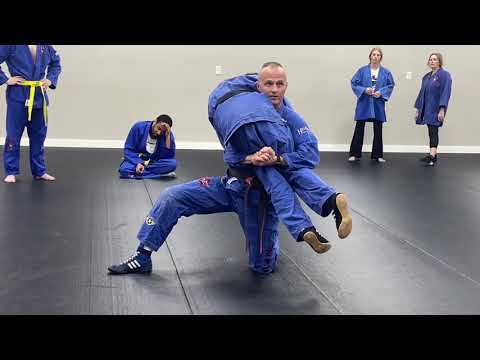
In today's session, we focus on the penetrating step and its associated techniques. This video covers crucial movements …
Translation: side thrust kick
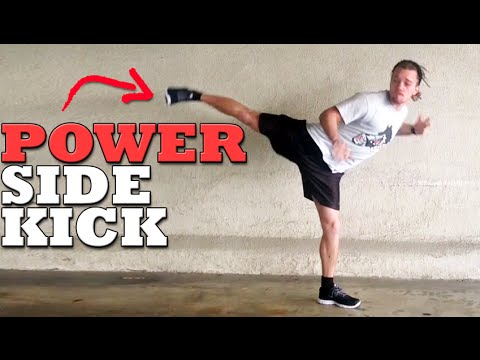
The Penetrating Side Kick is the foundational side kick that drives through the target using the heel or blade of the foot, traveling in a straight line parallel to the floor. [1] Unlike the snapping side kick which retracts quickly, the penetrating version pushes through the opponent's body with full hip extension, generating maximum force. [1] The kick chambers with the knee raised to the side, then the hip rotates and the leg extends laterally with the foot blade or heel as the striking surface. [1] This is the most powerful variation of the side kick and the one most commonly trained as the base technique across multiple martial arts. [1]
Practiced across karate (yoko kekomi) and Taekwondo. The thrusting side kick traces to Okinawan karate through Shotokan and Kyokushin lineages. [1]
Frequently used in MMA (UFC, ONE Championship, Bellator), kickboxing (GLORY, K-1), and Muay Thai (Lumpinee, Rajadamnern). One of the most commonly thrown kicks in professional striking competition. [1]
No images yet for this technique.
Sign in to suggest an image.
In today's session, we focus on the penetrating step and its associated techniques. This video covers crucial movements …
More Powerful Kick Tutorials►http://www.MyFightGym.com The side kick is that strong kick you see Bruce Lee use which sen…
1:25 Starting from Strike Tiger Right 2:25 Again from Strike Tiger Right 2:50 You want to sit, cross at the waist and…
The penetrating side kick is a powerful striking technique that combines hip extension, chest rotation, and heel-driven impact to maximize force and distance creation. FightTIPS identifies three primary variations arranged by power output: the pivoting side kick, where the rear foot rotates in place while the chamber and extension drive the heel forward; the stepping side kick, which crosses the feet to generate additional momentum; and the hopping side kick, considered the most powerful variant, wherein the fighter replaces their stance foot with the opposite leg via a low hop, consolidating full body weight into the strike. All variants emphasize critical mechanics: chambering the kick at knee height rather than swinging, rotating the torso away from the target ("donkey kick effect") to fully extend the hips, keeping the striking foot horizontal with toes pointing downward to drive the heel rather than the ball of the foot, and maintaining proper posture to ensure power transfer. FightTIPS notes the technique's primary applications include creating distance, controlling an opponent's base, and generating impact force suitable for heavy bag work and self-defense scenarios. The Awareness video on Tai Chi's "Kick with Right Foot" demonstrates related mechanics in a flowing form context, emphasizing balance maintenance during the leg extension and coordinated arm positioning. ConwayToe2Toe's material focuses on grappling entries rather than the penetrating kick itself, offering limited direct contribution to striking technique analysis.
Synthesized from 3 instructors
No instructional courses yet for this technique.
Sign in to suggest a course.
Risk of injury to the person this technique is applied to
One of the most powerful kicks in martial arts. Can break ribs and damage internal organs.
Skill level needed to execute this technique reliably
Whether this technique is allowed under major competition rule sets
De Bremaeker, M. & Faige, R. (2010). Essential Book of Martial Arts Kicks. Tuttle Publishing.
[1] De Bremaeker & Faige, Essential Book of Martial Arts Kicks (2010), Section 2.1, pp. 59-62
Official karate technique names (和語/漢語)
Established Japanese martial arts naming convention — native Japanese term (和語/漢語)
[1] De Bremaeker & Faige, Essential Book of Martial Arts Kicks (2010), Section 2.1, pp. 59-62
hip flexibility for high chamber, strong hip abductors
gluteus medius, quadriceps, hip abductors, core
Documented in De Bremaeker & Faige, Section 2.1 (yoko kekomi in karate). The full-power thrusting side kick — the heel drives laterally through the target. Bruce Lee's signature kick. (De Bremaeker & Faige, Essential Book of Martial Arts Kicks, 2010)
According to fightTIPS, you need to drive your heel into your opponent while turning your hips over fully—your chest must be facing out to snap the kick with real power. The hopping side kick variation is noted as the most powerful version of this technique.
A frequent error is leaving your toes pointing up instead of facing downward. fightTIPS emphasizes that your toes should be almost facing down as you drive the heel into your target.
You can aim at the chest, face, torso, or hips—essentially anywhere that disrupts your opponent's base and pushes them away, as fightTIPS explains.
The Penetrating Side Kick is the foundational side kick that drives through the target using the heel or blade of the foot, traveling in a straight line parallel to the floor. Unlike the snapping side kick which retracts quickly, the penetrating version pushes through the opponent's body with full hip extension, generating maximum force.
The penetrating side kick (yoko geri kekomi) is a fundamental kick in Shotokan karate. In taekwondo it is yeop chagi.
Unified MMA: Legal: legal — standard striking technique; WKF Karate: Legal: legal — controlled contact required; WT Taekwondo: Legal: legal — kicks are primary scoring technique; WAKO Kickboxing: Legal: legal — full contact permitted
Danger rating 7/10. High — one of the most powerful kicks in martial arts. Can break ribs and damage internal organs.
The standard setup chain: Jab to draw guard high → side kick to ribs → Step outside → side kick to knee or midsection → Parry a jab → side kick counter.
Standard counters include: Angle off to the side / Catch the leg and sweep / Step into the kick and jam.
Common variants: To the knee (self-defense application targeting joint); To the body (competition standard target); To the head (requires exceptional flexibility).
Frequently used in MMA (UFC, ONE Championship, Bellator), kickboxing (GLORY, K-1), and Muay Thai (Lumpinee, Rajadamnern). One of the most commonly thrown kicks in professional striking competition.
Top errors to watch for: Not turning supporting foot — limits hip rotation and power / Kicking with flat of foot instead of heel / Leaning too far back / Not driving through the target.
The Penetrating Side Kick is also known as Yoko Geri Kekomi, Side Thrust Kick, Thrusting Side Kick, Yeop Chagi.