Standard Hip Sit

Genus

スタンダードヒップシット(Sutandādo Hippu Shitto)

Transliteration

Translation: standard hip sit

Overview

The Standard Hip Sit drops the hips sharply downward and backward when the opponent initiates a takedown, lowering the centre of gravity below the attacker's grip while widening the base for stability. [1] The defender bends the knees deeply, pushes the hips back and down, and spreads the feet wide, creating a low, heavy, wide base that is extremely difficult to move. [1],[2] The standard hip sit is combined with underhook fighting or whizzer placement to prevent the attacker from adjusting to the lowered position. [2],[3]

Also known as
Basic Hip Sit[1]Standard Sit Back[2]Drop Weight Hip Sit[3]

History & Origin

The standard hip sit is a fundamental defensive posture in wrestling, taught as a basic response to lifting and clinch-based takedown attempts. [1] Its effectiveness in lowering the centre of gravity makes it a primary defensive tool. [2],[3]

Effectiveness

The standard hip sit defence. [1]

Lineage

A wrestling defence. [1]

Competition Record

Used in competition. [1]

Images

No images yet for this technique.

Sign in to suggest an image.

Biomechanical Mechanism

Primary ActionPreventing or reducing the effect of an incoming attack through physical interception, evasion, or structural positioning
Joints InvolvedVaries by defence type — blocks use arms/shins, evasions use head/body movement, sprawls use hips
Force VectorOpposing or tangential to the attack — either absorbing, redirecting, or evading the incoming force
Defensive PrincipleEconomy of motion — the best defence uses minimal movement to neutralise the maximum threat

Position & Entry

From clinch or groundWhen the opponent secures a controlling grip, use two-on-one, stripping, or peeling motions to break their hold
As preemptive defenceBreak the opponent's grip before they can execute their intended technique

Variants

Standard defenceprimary defensive technique from the most common position
Reactive defencetriggered by the opponent's attack, minimal movement for maximum protection
Proactive defenceanticipating the attack and positioning to neutralise it early
Counter defenceusing the defensive movement to create an immediate counter-attack opportunity

Videos

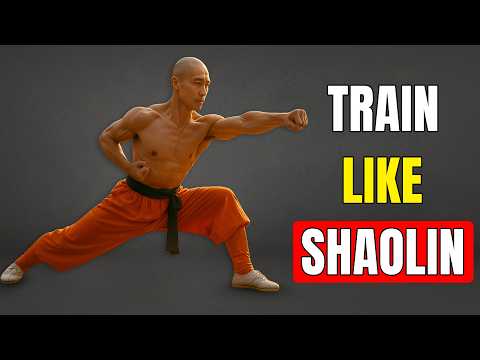
4 Shaolin Monk Exercises That Build Unbelievable Strength and Endurance

0
Standard Hip Sit·FitPulse·Added by Admin

4 Shaolin Monk Exercises That Build Unbelievable Strength and Endurance Ever wondered how Shaolin monks build the kind

1 video

Learn This Technique

No instructional courses yet for this technique.

Sign in to suggest a course.

Ratings

Danger Rating

Risk of injury to the person this technique is applied to

3
Moderate3/10

Sprawls and stuffs involve sudden body weight displacement; knee/hip strain risk

Difficulty

Skill level needed to execute this technique reliably

Intermediate
Competition Legality

Whether this technique is allowed under major competition rule sets

Unified MMA — Legal defensive technique
Unified Rules of MMA, August 2025PDF
IBJJF — Legal — defensive techniques are fundamental to g...
IBJJF Rules Book v6.0, June 2024PDF
UWW — Legal defensive technique
UWW International Wrestling Rules, January 2026PDF
FIAS Sport Sambo — Legal
FIAS International Sambo Competition RulesPDF

Training Notes

Standard hip sit execution: when the opponent secures a body lock or bear hug, immediately drop your hips straight down toward the mat, widen your base, and begin grip-breaking (Abdulrashid Sadulaev, Olympic Wrestling Technique, 2020)
Step 1: feel the opponent lock their hands behind your back
Step 2: drop your centre of gravity by bending the knees deeply and sitting the hips down
Step 3: widen your feet to create a stable, wide base
Step 4: use your arms to fight the opponent's locked grip — two-on-one the wrist or drive the hips forward to break the lock
The hip sit timing: drop the instant you feel the lock — don't wait for the lift attempt
The hip sit creates a window for counter-offence: from the low position, you can attempt arm drags, underhooks, or whizzers
In MMA, the standard hip sit against the cage prevents wall-slam takedowns and body-lock dumps
After breaking the grip via hip sit, immediately re-establish your stance and create distance

Common Mistakes

!Dropping the hips after the opponent has already begun lifting — the hip sit must happen before the upward momentum starts
!Not widening the base during the sit — a narrow base can be swept or tripped even from the low position
!Sitting down but not fighting the grip — the hip sit is temporary; you must break the body lock
!Trying to hip sit against a single leg or double leg — these require sprawling, not sitting
!Sitting so low you end up on the ground — maintain a squatting position, not a seated position
!Not using the arms actively during the sit — your arms should be fighting grips, not hanging at your sides
!Using the hip sit without urgency — the sit must be explosive; a slow sit lets the opponent adjust

Related Techniques

Counter Techniques

Setup Chain

1Anticipate the Attackread the opponent's intention through body cues
2Execute Defenceapply the specific defensive technique with proper timing
3Recover Stancereturn to a balanced fighting position immediately
4Counter or Disengagecapitalize on the opening or create safe distance

Sources & References

Primary Source

Kodokan Judo (Jigoro Kano, 1986)

1BookFreestyle Wrestling (Petrov, 1977)

Alias sources — [1] Wrestling Coaching Manual (USA Wrestling, 2015) [2] MMA Instruction Manual (Ryan & Snowden, 2010) [3] MMA Instruction Manual (Ryan & Snowden, 2010)

2BookWrestling Physical Conditioning Encyclopedia (Cejudo & Holliday, 2015)

Effectiveness sources — [1] Wrestling Physical Conditioning Encyclopedia (Petrov, 1977)

3OtherJapanese Combat Sports Katakana Convention

Standard katakana transliteration of Western martial arts terminology (外来語) — used in Japanese MMA, boxing, and BJJ communities

4CitationFreestyle Wrestling (Petrov, 1977)

Alias sources — [1] Wrestling Coaching Manual (USA Wrestling, 2015) [2] MMA Instruction Manual (Ryan & Snowden, 2010) [3] MMA Instruction Manual (Ryan & Snowden, 2010)

5CitationWrestling Physical Conditioning Encyclopedia (Cejudo & Holliday, 2015)

Effectiveness sources — [1] Wrestling Physical Conditioning Encyclopedia (Petrov, 1977)

Community

Athletics

Requires

grip fighting technique, forearm endurance, timing

Favours

strong hands and forearms, quick stripping motions

Key muscles

forearm flexors/extensors, wrist rotators, biceps

Frequently Asked Questions

How does the Standard Hip Sit work?

The Standard Hip Sit drops the hips sharply downward and backward when the opponent initiates a takedown, lowering the centre of gravity below the attacker's grip while widening the base for stability. The defender bends the knees deeply, pushes the hips back and down, and spreads the feet wide, creating a low, heavy, wide base that is extremely difficult to move.

Where does the Standard Hip Sit come from?

The standard hip sit is a fundamental defensive posture in wrestling, taught as a basic response to lifting and clinch-based takedown attempts. Its effectiveness in lowering the centre of gravity makes it a primary defensive tool.

Is the Standard Hip Sit legal in competition?

Unified MMA: legal — Legal defensive technique; IBJJF: legal — Legal — defensive techniques are fundamental to grappling; IJF: legal — Legal defensive action; ADCC: legal — Legal; UWW: legal — Legal defensive technique; FIAS Sport Sambo: legal — Legal

How dangerous is the Standard Hip Sit?

Danger rating 3/10. Moderate — sprawls and stuffs involve sudden body weight displacement; knee/hip strain risk

How do I set up the Standard Hip Sit?

The standard setup chain: Anticipate the Attack → Execute Defence → Recover Stance → Counter or Disengage.

How do I defend against the Standard Hip Sit?

Standard counters include: Timing — attack when the defence is recovering or between movements / Feint — use deception to create openings in the defensive structure / Angle Change — attack from an unexpected angle that the defence does not cover.

What are the variants of the Standard Hip Sit?

Common variants: Standard defence (primary defensive technique from the most common position); Reactive defence (triggered by the opponent's attack, minimal movement for …); Proactive defence (anticipating the attack and positioning to neutralise it …); Counter defence (using the defensive movement to create an immediate count…).

How effective is the Standard Hip Sit in competition?

Used in competition.

What are common mistakes when doing the Standard Hip Sit?

Top errors to watch for: Dropping the hips after the opponent has already begun lifting — the hip sit must happen before the upward momentum s… / Not widening the base during the sit — a narrow base can be swept or tripped even from the low position / Sitting down but not fighting the grip — the hip sit is temporary; you must break the body lock / Trying to hip sit against a single leg or double leg — these require sprawling, not sitting.

What are other names for the Standard Hip Sit?

The Standard Hip Sit is also known as Sutandādo Hippu Shitto, Basic Hip Sit, Standard Sit Back, Drop Weight Hip Sit.