2 Knives fighting techniques
0
Seconda Guard·Kali Center
Get the NEW Kali Apex training course here: https://www.kaliapex.com/ For 1 on 1 Kali Coaching go here: https://www.pat…
Перевод: seconda guard
Seconda (second guard) positions the hand with the palm facing outward (pronated), the blade angled to protect the outside low line and threaten a thrust beneath the opponent's arm. [1] Seconda is a powerful guard for controlling the outside line and is particularly effective in combination with a forward step (passata) to deliver a thrust under the opponent's weapon. [1],[2] This guard is the basis of the modern fencing parry of seconde. [2],[3]
Seconda (second guard) protects the low outside line with a pronated hand position, effective against low thrusts and cuts to the flank. [1]
Seconda was codified by Italian rapier masters as one of the primary guard positions, with the hand in pronation. [1]
Seconda is practised in HEMA rapier and sidesword tournaments. [1]
Изображений для этой техники пока нет.
Войдите, чтобы предложить изображение.
Get the NEW Kali Apex training course here: https://www.kaliapex.com/ For 1 on 1 Kali Coaching go here: https://www.pat…
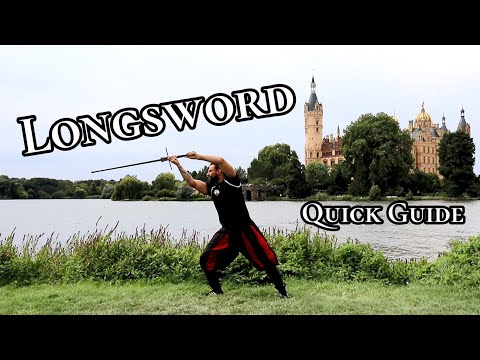
Knowing the guards in the long sword, knowing which techniques and concepts to apply from each posture, and being able t…
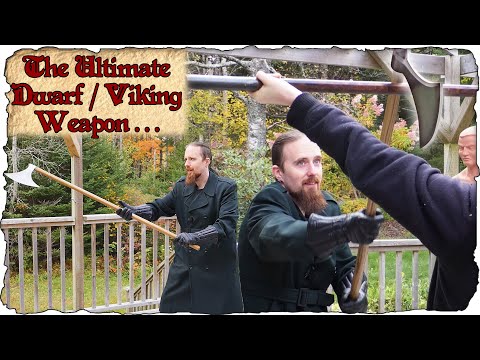
From fantasy dwarves to vikings (historical or not), the two-handed axe is one of the most iconic badass fighter / barba…
The transcripts provided do not contain substantive instructional material on the seconda guard specifically. Björn Rüther's comprehensive overview of longsword guards from Joachim Meijer's system covers fourteen guards total, including the four main guards (upper guard, ox, plow, and fool) and ten secondary guards, but does not isolate or discuss a guard called the 'seconda.' The second and third transcripts address entirely different weapon systems—Kali Center covers double-knife fighting techniques and footwork drills, while Skallagrim discusses two-handed battle axe mechanics and biomechanics. None of these instructors directly address rapier guards or the second guard (seconda) position that would be relevant to Italian Renaissance rapier fencing systems. To properly synthesize information about the seconda guard, source material from rapier-specific instructors would be required, particularly those drawing from historical Italian treatises such as those by Capo Ferro, Manciolino, or Fabris.
Сформировано на основе 3 инструкторов
Учебных курсов по этой технике пока нет.
Войдите, чтобы предложить курс.
Риск травмы для человека, к которому применяется техника
Edged weapons cause fatal lacerations; historical battlefield mortality rates >30% (Amberger 1999)
Уровень мастерства, необходимый для надёжного выполнения техники
Разрешена ли техника по основным соревновательным правилам
The Art of Fencing (Luigi Barbasetti, 1932)
Alias sources — [1] The Sword and the Centuries (Castle, 1901) [2] Classical Fencing (Rogers, 2014) [3] Classical Fencing (Rogers, 2014)
Effectiveness sources — [1] The Martial Arts of Renaissance Europe (Anglo, 2000)
Mixed Japanese-Western terminology — combines traditional Japanese terms with katakana loanwords
Alias sources — [1] The Sword and the Centuries (Castle, 1901) [2] Classical Fencing (Rogers, 2014) [3] Classical Fencing (Rogers, 2014)
Effectiveness sources — [1] The Martial Arts of Renaissance Europe (Anglo, 2000)
wrist control for edge alignment, grip endurance, footwork precision
quick wrists, strong forearms, good posture
forearm extensors/flexors, deltoids, core, calves
Changing guards without intention only gives your opponent more options to attack openings while you expose yourself unnecessarily. Each guard change should have a specific tactical reason behind it.
Study what attacks work well from that posture, what defensive techniques you can execute, and what counters are available—along with the underlying concepts that make them effective.
Seconda (second guard) positions the hand with the palm facing outward (pronated), the blade angled to protect the outside low line and threaten a thrust beneath the opponent's arm. Seconda is a powerful guard for controlling the outside line and is particularly effective in combination with a forward step (passata) to deliver a thrust under the opponent's weapon.
Seconda appears in the rapier manuals of Fabris and Capoferro as the second guard position, protecting the outside low line. The Italian masters valued Seconda for its ability to simultaneously cover and attack.
FIE: разрешён — Legal fencing technique — governed by FIE rules for foil, épée, and sabre; HEMA: разрешён — Legal in historical fencing competition
Оценка опасности 9/10. Extreme — edged weapons cause fatal lacerations; historical battlefield mortality rates >30% (Amberger 1999)
Стандартная цепочка подготовки: En Garde → Advance/Lunge Preparation → Attack → Recovery.
Стандартные контрприёмы: Beat Parry — deflect the blade with a sharp lateral beat before it reaches target / Displacement — move the body off the line while threatening with the point / Counter-Thrust — extend into the attacker's line during their advance.
Распространённые варианты: Standard cut (primary cutting angle from the ready stance); Thrust (tsuki) (straight thrust targeting the throat, chest, or face); Rising cut (kiri-age) (upward diagonal cut from low to high); Diagonal cut (kesa-giri) (downward diagonal cut following the kimono line).
Seconda is practised in HEMA rapier and sidesword tournaments.
Основные ошибки, на которые стоит обратить внимание: Holding Seconda too high — the guard must cover the low line; the hand position should be at waist level / Not threatening with the point from Seconda — the point must be directed at the opponent even in the low guard / Using Seconda against high attacks — it is designed for low-line defence; use Terza or Quarta for high attacks / Holding Seconda with the arm retracted — the arm should be extended to maximize reach and point threat.
Seconda Guard также известен как Sekonda Kamae, Seconda, Second Guard, Guardia di Seconda.