The Inside Trip
0
Inside Ankle Trip·Team Hammer
A detailed instruction with live video examples of the famous wrestling move: the inside trip. This move is an equalize…
Перевод: inside ankle trip
The Inside Ankle Trip subfamily specifically targets the opponent's ankle from the inside, using the attacker's foot to hook or block the ankle while upper body pressure drives the opponent over the trapped foot. [1] The attacker typically uses a collar tie, underhook, or clinch position to control the opponent's upper body, then steps inside and hooks the near ankle with the instep or heel. [1],[2] Pulling the hooked ankle forward while driving the opponent's shoulders backward creates a sharp rotational fall. [2],[3]
The inside ankle trip (ko uchi gari) is one of the most frequently scored ashi-waza techniques in judo competition. [1]
Изображений для этой техники пока нет.
Войдите, чтобы предложить изображение.
A detailed instruction with live video examples of the famous wrestling move: the inside trip. This move is an equalize…
Учебных курсов по этой технике пока нет.
Войдите, чтобы предложить курс.
Риск травмы для человека, к которому применяется техника
Ko-Uchi-Gari style; backward fall risk
Уровень мастерства, необходимый для надёжного выполнения техники
Разрешена ли техника по основным соревновательным правилам
Kodokan Judo — Official Nage-waza Classification
Traditional Judo throwing/takedown terminology (Kodokan Institute)
Official Kodokan ground technique classification system
Standard Japanese martial arts terminology (kanji/hiragana)
Established Japanese martial arts naming convention — native Japanese term (和語/漢語)
Traditional Judo throwing/takedown terminology (Kodokan Institute)
timing, balance, upper body control for push-pull
good coordination and sense of opponent's weight distribution
core stabilisers, hip adductors/abductors, calves
Каждое движение в любом боевом искусстве обладает рядом универсальных свойств. Комбинируйте параметры ниже, чтобы найти нужный инструмент или сравнить аналоги из разных стилей.
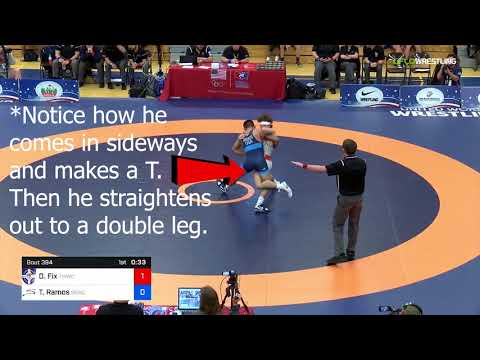
Team Hammer emphasizes using a crow hop from your back leg as you step in perpendicular to your opponent. This allows you to swap feet and position your trip leg around your opponent's leg without overcommitting.
Send your hips in sideways as you step in perpendicular to your opponent, and lower your level toward their hips as you execute the trip. This positioning keeps you close and prevents you from getting strung out.
Bring your heel high inside close to the leg you're tripping, then execute the motion in, around, and down. Keep your back leg coming up and getting closer as you complete the trip.
The Inside Ankle Trip subfamily specifically targets the opponent's ankle from the inside, using the attacker's foot to hook or block the ankle while upper body pressure drives the opponent over the trapped foot. The attacker typically uses a collar tie, underhook, or clinch position to control the opponent's upper body, then steps inside and hooks the near ankle with the instep or heel.
Inside ankle trips have been practised across wrestling and martial arts traditions, with the technique appearing in both folk wrestling and formalised judo systems. The simplicity and effectiveness of the inside ankle trip ensure its presence in virtually every grappling curriculum.
IJF: разрешён — Legal (ashi-waza) — trips executed without grabbing opponent's legs are permi…; IBJJF: разрешён — Legal at all belt levels, scored as takedown (2 points); UWW: ограничен — Legal in freestyle, restricted in Greco-Roman (leg-to-leg contact prohibited); Unified MMA: разрешён — Legal takedown technique; ADCC: разрешён — Legal, scored 2-4 points in second half of match; FIAS Sport Sambo: разрешён — Legal — all takedowns permitted; FIAS Combat Sambo: разрешён — Legal; NCAA Folkstyle: разрешён — Legal, scored as takedown (2 points)
Оценка опасности 5/10. High — Ko-Uchi-Gari style; backward fall risk
Стандартная цепочка подготовки: Establish Grip → Off-Balance (Kuzushi) → Execute the Reap/Sweep.
Стандартные контрприёмы: Sprawl — drop hips back and drive weight down to stuff the takedown attempt / Lift the Targeted Leg — raise the foot being attacked to avoid the reap or sweep / Step Over — lift the targeted leg over the sweeping limb to evade / Counter-Throw — use opponent's committed weight shift to execute a counter technique.
Распространённые варианты: Standard trip (blocking or sweeping the support leg while driving the up…); Combination trip (chaining an inside trip with an outside trip when the opp…); Counter trip (using the trip as a counter when the opponent attacks); Clinch trip (executing the trip from a tight clinch position).
The inside ankle trip (ko uchi gari) is one of the most frequently scored ashi-waza techniques in judo competition.
Основные ошибки, на которые стоит обратить внимание: Hooking the ankle before getting close enough — you need chest-to-chest range / Pulling the ankle sideways instead of forward — forward removes their base more effectively / Not driving the upper body backward while tripping, relying solely on the foot hook / Trying to trip the unweighted foot — always target the weight-bearing foot.
Inside Ankle Trip также известен как Uchigake (Ashikubi), Inside Ankle Hook, Inner Ankle Trip, Ko Uchi Gake.