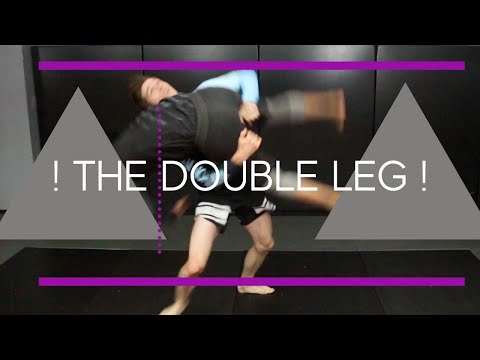
Double Leg Takedown
0
High Double Leg·TakingItToTheMMAT
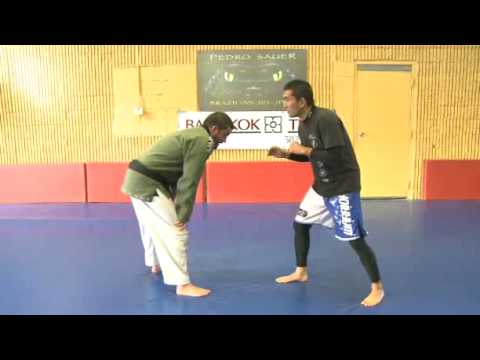
Pedro Sauer Brazilian Jiu-jitsu Black Belt and Collegiate Wrestler, Coach Chris Wells shares his understanding of the Ba…
Not yet documented
The High Double Leg is a variation of the double leg takedown where the attacker secures the grip around the opponent's waist or above the hips rather than at the thighs — a blast-style takedown that drives through the opponent's centre of mass with maximum forward pressure. [1] The high double leg is often the result of a fast, explosive shot where the attacker comes up high on the grip rather than going deep to the thighs. [1],[2]
Developed within the parent martial arts tradition. [1]
Used in relevant competition formats. [1]
Изображений для этой техники пока нет.
Войдите, чтобы предложить изображение.
Pedro Sauer Brazilian Jiu-jitsu Black Belt and Collegiate Wrestler, Coach Chris Wells shares his understanding of the Ba…
🔥 Jiu Jitsu Practitioners, Ready to Finally Feel Confident on Your Feet? 🔥 FREE COURSE: The 2 takedowns you should fo…
Учебных курсов по этой технике пока нет.
Войдите, чтобы предложить курс.
Риск травмы для человека, к которому применяется техника
Standard technique-level risk appropriate to the category
Уровень мастерства, необходимый для надёжного выполнения техники
Разрешена ли техника по основным соревновательным правилам
Jiu-Jitsu University (Saulo Ribeiro, 2008)
Description sources — [1] Martial arts curriculum [2] Competition analysis
Standard katakana transliteration of Western martial arts terminology (外来語) — used in Japanese MMA, boxing, and BJJ communities
Description sources — [1] Martial arts curriculum [2] Competition analysis
technique-specific physical attributes
technique-dependent
Каждое движение в любом боевом искусстве обладает рядом универсальных свойств. Комбинируйте параметры ниже, чтобы найти нужный инструмент или сравнить аналоги из разных стилей.
The high double leg lifts the opponent at the waist rather than attacking at the knees — it requires more strength but creates greater lifting power for slams and dumps. A staple of Greco-Roman wrestling adapted for MMA. (Coaching Wrestling Successfully, Gable; The Ultimate MMA Training Guide)
According to Chris Wells at TakingItToTheMMAT, you should think of the double leg like a jab in boxing—it's a setup for other techniques, not always a guaranteed finish. When your opponent defends or beats you to it, you need to have follow-up options ready rather than expecting the takedown to work every time.
You want to change your levels before you enter, penetrate deep with your lead leg, and drive through with power, keeping your chest over your knee and staying low underneath your opponent's head and hands defense, as Wrestling University emphasizes.
Chris Wells recommends gripping below the opponent's hips rather than around the thighs, because gripping too high allows them to bend forward and spread their legs apart to sprawl. Grip placement matters as much as how you grip.
Wrestling University teaches the monkey paw grip to maintain arm length if your opponent starts to sprawl, and emphasizes circling your hips to the opposite side of your head while continuing to drive, rather than backing out and losing position.
The High Double Leg is a variation of the double leg takedown where the attacker secures the grip around the opponent's waist or above the hips rather than at the thighs — a blast-style takedown that drives through the opponent's centre of mass with maximum forward pressure. The high double leg is often the result of a fast, explosive shot where the attacker comes up high on the grip rather than going deep to the thighs.
This technique developed within its parent martial arts tradition and has been refined through competition.
IJF: запрещён — Banned since 2010 leg grab prohibition — direct hansoku-make for touching opp…; IBJJF: разрешён — Legal at all belt levels, scored as takedown (2 points); UWW: ограничен — Legal in freestyle (2-4 points), banned in Greco-Roman (no attacks below waist); Unified MMA: разрешён — Legal takedown technique; ADCC: разрешён — Legal, scored 2-4 points in second half of match; FIAS Sport Sambo: разрешён — Legal — all takedowns permitted; FIAS Combat Sambo: разрешён — Legal; NCAA Folkstyle: разрешён — Legal, scored as takedown (2 points)
Оценка опасности 4/10. Moderate — standard technique-level risk appropriate to the category
Стандартная цепочка подготовки: Establish Entry Position → Set Up the Technique → Execute → Follow Through → Consolidate or Transition.
Стандартные контрприёмы: Defensive techniques against this specific technique / Prevention of the entry position.
Распространённые варианты: Standard execution (the fundamental version); Modified variation (adapted for specific scenarios).
Used in relevant competition formats.
Основные ошибки, на которые стоит обратить внимание: Poor entry positioning / Incomplete execution / Not chaining with follow-up techniques / Attempting without proper setup.
High Double Leg также известен как High Crotch Double, Standing Double Leg, Blast Double.