Hugs That Kill: Smother Chokes Explained
0
Smother Lock·Will Brooks Official
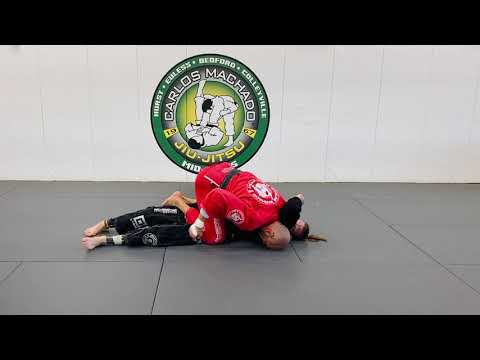
Smother chokes aren’t flashy…they’re filthy, effective, and completely soul-breaking when done right. In this video, I …
Перевод: Smothering Techniques
Smother locks are submission techniques that obstruct an opponent's breathing by covering the nose and mouth with the body — typically the chest, belly, shoulder, or arm — creating a seal that prevents air intake. [1] Unlike chokes and strangles, which target the neck's blood vessels or airway, smother locks work by physically blocking the external breathing passages with body mass. [3] The most common smother submissions involve chest-to-face pressure from mount (belly smother), shoulder pressure from side control (shoulder smother), or deliberate face burial in the chest or armpit. Smother locks are generally slower-acting than vascular chokes — they cause submission through progressive oxygen deprivation and the psychological distress of being unable to breathe, rather than rapid unconsciousness. [7] In competition, smothers exist in a regulatory gray area: they are not explicitly prohibited in most rule sets (IBJJF, ADCC, MMA), but their effectiveness is debated and they are rarely used as primary finishers at elite levels. Smother pressure is more commonly employed as a positional tool — a heavy shoulder-of-justice from side control or a tight mount with chest pressure forces defensive reactions that open up choke and armlock opportunities. [7],[8]
Smothering techniques have existed in grappling traditions throughout history, though they were rarely codified as formal techniques. In catch wrestling, 'rides' and 'chest pins' that made breathing difficult were standard tactics for breaking an opponent's will and forcing a pin or submission. [8] In judo, the concept of kesa-gatame (scarf hold) and related osaekomi-waza (pin techniques) includes an implicit smother component — heavy chest pressure that makes breathing labored. [6] Brazilian Jiu-Jitsu has increasingly recognized smother techniques as legitimate submissions rather than merely positional pressure, with some competitors deliberately developing smother-based finishing sequences from mount and side control. [1],[7]
Smother locks restrict breathing by placing the attacker's chest, stomach, or body weight over the opponent's face, obstructing the nose and mouth. [1] While rarely a primary finishing technique, smothering pressure from mount is a legitimate submission threat and a significant factor in positional control. [1]
Smother techniques using body weight to obstruct breathing appear in catch wrestling and heavy top-control grappling. [1]
Smother-type submissions occasionally appear in MMA when heavy top pressure forces tap-outs. [1]
Изображений для этой техники пока нет.
Войдите, чтобы предложить изображение.
Smother chokes aren’t flashy…they’re filthy, effective, and completely soul-breaking when done right. In this video, I …
It’s a “Best Seller 🏆 “ 🔥 Check out my brand new 5 DVD series and what the legend Bernardo Faria said himself https://…
Учебных курсов по этой технике пока нет.
Войдите, чтобы предложить курс.
Риск травмы для человека, к которому применяется техника
Smothers restrict breathing gradually; lower risk than vascular chokes due to slower onset
Уровень мастерства, необходимый для надёжного выполнения техники
Разрешена ли техника по основным соревновательным правилам
Kodokan Judo — Jigoro Kano (1986)
Kesa-gatame and osaekomi-waza smother component
Mount pressure and smothering tactics in BJJ
Catch wrestling chest pin and ride techniques
Official Kodokan ground technique classification system
Standard Japanese martial arts terminology (kanji/hiragana)
Established Japanese martial arts naming convention — native Japanese term (和語/漢語)
Kesa-gatame and osaekomi-waza smother component
Mount pressure and smothering tactics in BJJ
Catch wrestling chest pin and ride techniques
grip strength, joint isolation ability, positional control
strong forearms and stable base
forearm flexors, core stabilisers, hip muscles for base
Каждое движение в любом боевом искусстве обладает рядом универсальных свойств. Комбинируйте параметры ниже, чтобы найти нужный инструмент или сравнить аналоги из разных стилей.
Smother locks use body weight across the opponent's face to restrict breathing — the belly smother from mount or north-south. Legal in competition but considered unglamorous. Effective in self-defense scenarios where maintaining top position and restricting breathing buys time. (BJJ instructionals; competition strategy)
Use your outside arm's bicep and inner elbow area to block your opponent's neck and face, preventing them from getting a deep underhook with their nearside arm. Will Brooks emphasizes also clearing the knee shield to control the position effectively.
Smother chokes are more effective when you interrupt your opponent's flow of oxygen, even if you don't achieve a full tap. Will Brooks explains that cutting off oxygen can cause panic and drain energy, making the finish easier to achieve.
Keep tight pressure with your legs similar to what you'd use for back control while trapping an arm for a rear naked choke, while controlling the top position. This leg pressure makes it very difficult for your opponent to ghost escape.
Your shoulder should drive into your opponent with good cross-base pressure, keeping your forehead pointed straight rather than at an angle. Position your shoulder inside their armpit for optimal control and pressure application.
Smother locks are submission techniques that obstruct an opponent's breathing by covering the nose and mouth with the body — typically the chest, belly, shoulder, or arm — creating a seal that prevents air intake. Unlike chokes and strangles, which target the neck's blood vessels or airway, smother locks work by physically blocking the external breathing passages with body mass.
Smothering techniques have existed in grappling traditions throughout history, though they were rarely codified as formal techniques. In catch wrestling, 'rides' and 'chest pins' that made breathing difficult were standard tactics for breaking an opponent's will and forcing a pin or submission.
IBJJF: разрешён — Legal — no specific prohibition against smothering techniques; IJF: ограничен — Not a standard judo technique — may be considered non-combative if applied wi…; ADCC: разрешён — Legal; Unified MMA: разрешён — Legal; FIAS Sport Sambo: ограничен — Not a recognized sambo technique; FIAS Combat Sambo: разрешён — Legal
Оценка опасности 5/10. Smothers restrict breathing gradually; lower risk than vascular chokes due to slower onset
Стандартная цепочка подготовки: Achieve Controlling Position → Isolate the Neck → Set the Grip → Apply Pressure.
Стандартные контрприёмы: Tuck Chin — protect the neck by lowering the chin to prevent the choke from sinking / Two-on-One Grip Fight — use both hands to strip the choking grip before it locks / Turn Into — rotate toward the choking arm to relieve carotid pressure / Posture Up — straighten the spine and create distance to break the choking angle.
Распространённые варианты: Standard variation (primary grip configuration and finishing angle); Gi variation (using the gi material for grip assistance and control); No-gi variation (adapted grips for submission grappling without the gi); Transition variation (applied during a positional change or scramble).
Smother-type submissions occasionally appear in MMA when heavy top pressure forces tap-outs.
Основные ошибки, на которые стоит обратить внимание: Using excessive weight and force — smother technique is about coverage, not crushing; excessive weight can cause rib … / Attempting smothers from non-dominant positions — smothers require full body control (mount or north-south); partial … / Not sealing both the mouth and nose — a smother that covers only one airway is ineffective; both must be blocked / Holding the smother too long in training — once the point is demonstrated, release; prolonged smothers in training ar….
Smother Lock также известен как Assatsu Waza, Smother Choke, Chest Compression Choke, Breast Smother.