Spine Compression Locks

Подсемейство

Перевод: spine compression locks

Дистанция и классификация

Категория
Удар и защитаЗамкиБлижний бойБой против нескольких
Дистанция
БлижняяСредняяДальняя
Целевая зона
Верхняя частьСредняя частьНижняя часть

Обзор

Spine compression locks apply axial compression or stacking force to the vertebral column, compressing the intervertebral discs and stressing the spinal ligaments. [1] Common examples include the Boston crab (lumbar hyperextension), stacking an opponent in guard until spinal compression occurs, and various body fold techniques. These are extremely dangerous due to proximity to the spinal cord. [2],[3]

Также известна как
Spinal Compression[1]Back Compression Lock[2]
Используется в

История и происхождение

Spine compression techniques appear in catch wrestling (Boston crab, camel clutch) and in Japanese martial arts sports medicine contexts. [1],[2] They have been progressively restricted in modern competition. [3]

Страна происхождения· показано в случайном порядке

  • БразилияБразильское джиу-джитсу, Сабмишн-грэпплинг, ММА
  • Япония脊椎圧迫技(Sekitsui Appaku-waza)Бразильское джиу-джитсу, Дзюдо, Сабмишн-грэпплинг
  • СШАСабмишн-грэпплинг, ММА
  • РоссияСамбо

Эффективность

Spine compression locks apply pressure along the spinal column, attacking the vertebrae and intervertebral discs. [1]

Родословная

Spine compressions appear in catch wrestling and pro wrestling (Boston crab, camel clutch). [1]

Соревновательные результаты

Spine compressions are legal in MMA and some submission grappling formats. [1]

Изображения

Изображений для этой техники пока нет.

Войдите, чтобы предложить изображение.

Биомеханический механизм

Primary ActionIsolation of a joint and application of force beyond its natural range of motion
Joints InvolvedTarget joint (hyperextension or rotation), adjacent joints (stabilised to prevent escape)
Force VectorTwo-point control — one anchor stabilises while the other drives the joint past its normal limit
Leverage PrincipleGrip configuration and body positioning create a mechanical advantage that multiplies applied force

Позиция и вход

From dominant positionIsolate the target limb, secure the controlling grip, and apply force beyond the joint's range of motion
From guard (bottom)Control the limb from guard position, configure the submission grip, and apply the lock
From transitionDuring a scramble or positional change, catch the exposed limb and lock the submission

Видео

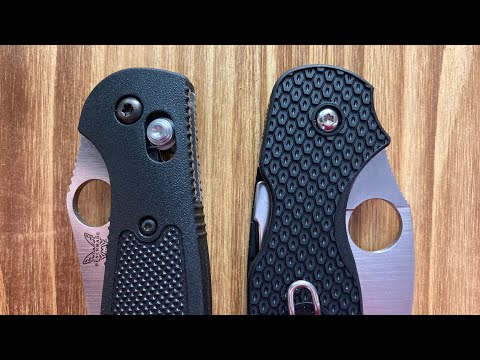
Compression Lock and Axis Lock: A Tale of Two Locks

0
Spine Compression Locks·John Cacey

This is not an in-depth review. This is just a few tidbits of information that I have found in use.

1 video

Изучить технику

Учебных курсов по этой технике пока нет.

Войдите, чтобы предложить курс.

Оценки

Уровень опасности

Риск травмы для человека, к которому применяется техника

9
Экстремальный9/10

Spine compression locks apply axial force to the vertebral column; risk of disc herniation

Сложность

Уровень мастерства, необходимый для надёжного выполнения техники

Эксперт
Допустимость на соревнованиях

Разрешена ли техника по основным соревновательным правилам

Запрещено
Разрешено
IBJJF — Legal at all belt levels
IBJJF Rules Book v6.0, June 2024PDF
ADCC — Legal — all submissions legal in ADCC
ADCC Rules Update, April 2025PDF
Unified MMA — Legal submission technique
Unified Rules of MMA, August 2025PDF
FIAS Sport Sambo — Legal
FIAS International Sambo Competition RulesPDF
FIAS Combat Sambo — Legal
FIAS Combat Sambo RulesPDF

Заметки по тренировке

Spine compression locks drive force through the spinal column vertically — compressing the vertebrae and discs by loading weight onto the spine's axis (Paulson, Enter the Snake Pit, 2018)
The Boston crab (pro wrestling) and its grappling equivalent stack the opponent and drive weight through the spine — compressing the lumbar vertebrae
Compression occurs when the opponent is stacked on their neck: the weight of both fighters drives through the cervical spine — this is why stacking in guard is dangerous
The camel clutch (in catch wrestling, the 'crossface chickenwing') uses the attacker's weight to hyperextend the upper spine while compressing the lower spine
Spine compression is a common incidental danger in grappling: passing the guard by stacking, defending armbars by driving forward — these create unintentional spine compression
Understanding spine compression improves defensive positioning: never allow your body weight to be loaded onto your neck or head
Compression locks differ from cranks: compression drives force through the axis, while cranks rotate or bend the spine — both are dangerous but through different mechanisms

Типичные ошибки

!Stacking opponents in training without awareness — even during guard passes, be aware that excessive weight on the neck creates compression
!Applying spine compression locks in any training context — these are demonstrational techniques, not techniques to apply at full force
!Not recognising accidental spine compression — stacking during armbar defence or guard passing can create dangerous compression unintentionally
!Ignoring neck pain during stacking — if the bottom player reports neck discomfort during stacking, adjust immediately
!Confusing flexibility with safety — a flexible spine can be compressed further before pain signals, increasing the injury risk
!Not training breakfalls and rolls — proper falling technique distributes impact and prevents compression during throws
!Using body weight to compress without concern — even in dominant positions, be aware of how your weight affects the opponent's spine

Связанные техники

Контрприёмы

Цепочка подготовки

1Establish Positionachieve the controlling position needed for this submission
2Create the Threatbegin the submission setup to force a defensive reaction
3Secure the Holdlock the submission grip with proper body mechanics
4Finishapply increasing pressure until the opponent taps or the joint/choke takes effect

Источники и ссылки

Основной источник

Japanese martial arts — sports medicine + grappling

1КнигаJapanese martial arts — sports medicine + grappling

Japanese terminology sourced from Japanese martial arts — sports medicine + grappling

2Учебная программаKodokan Judo Institute — Official Waza Names

Standard Japanese martial arts terminology (kanji/hiragana)

3ДругоеJapanese Martial Arts Standard Terminology (武道用語)

Established Japanese martial arts naming convention — native Japanese term (和語/漢語)

4ЦитатаJapanese martial arts — sports medicine + grappling

Japanese terminology sourced from Japanese martial arts — sports medicine + grappling

Сообщество

Атлетизм

Requires

grip strength, joint isolation ability, positional control

Favours

strong forearms and stable base

Key muscles

forearm flexors, core stabilisers, hip muscles for base

Подтехники

Ищите по тому, что делает техника, — а не по её названию

Каждое движение в любом боевом искусстве обладает рядом универсальных свойств. Комбинируйте параметры ниже, чтобы найти нужный инструмент или сравнить аналоги из разных стилей.

Категория
Дистанция
Целевая зона

Часто задаваемые вопросы

Is the compression lock designed to be operated with one hand or two hands?

The compression lock is meant to be a one-handed operation. According to John Cacey, you don't perform these two-handed—you grip the knife, hold the lock in, and close it all with one hand.

How does the compression lock compare to other locks in terms of durability?

The compression lock offers superior durability compared to the axis lock because it doesn't rely on small Omega springs that can potentially fail. John Cacey notes that while the axis lock's springs may rarely break, the compression lock avoids this point of weakness.

What is an ergonomic consideration when closing a compression lock?

When closing a compression lock, you need to position your grip carefully to avoid having your fingers in the way of the closing mechanism. John Cacey describes this as a slight ergonomic downside, though he notes it's not a major issue.

Как работает Spine Compression Locks?

Spine compression locks apply axial compression or stacking force to the vertebral column, compressing the intervertebral discs and stressing the spinal ligaments. Common examples include the Boston crab (lumbar hyperextension), stacking an opponent in guard until spinal compression occurs, and various body fold techniques.

Откуда происходит Spine Compression Locks?

Spine compression techniques appear in catch wrestling (Boston crab, camel clutch) and in Japanese martial arts sports medicine contexts. They have been progressively restricted in modern competition.

Разрешён ли Spine Compression Locks на соревнованиях?

IBJJF: разрешён — Legal at all belt levels; IJF: запрещён — Only elbow joint locks (kansetsu-waza) permitted in judo — all other joint lo…; ADCC: разрешён — Legal — all submissions legal in ADCC; Unified MMA: разрешён — Legal submission technique; FIAS Sport Sambo: разрешён — Legal; FIAS Combat Sambo: разрешён — Legal

Насколько опасен Spine Compression Locks?

Оценка опасности 9/10. Spine compression locks apply axial force to the vertebral column; risk of disc herniation

Как подготовить Spine Compression Locks?

Стандартная цепочка подготовки: Establish Position → Create the Threat → Secure the Hold → Finish.

Как защититься от Spine Compression Locks?

Стандартные контрприёмы: Early Recognition — identify the submission attempt early and begin defence immediately / Posture and Base — maintain strong posture and base to prevent submission setups / Grip Fight — deny the attacker their preferred gripping configuration.

Какие есть варианты Spine Compression Locks?

Распространённые варианты: Standard variation (primary grip configuration and finishing angle); Gi variation (using the gi material for grip assistance and control); No-gi variation (adapted grips for submission grappling without the gi); Transition variation (applied during a positional change or scramble).

Насколько эффективен Spine Compression Locks на соревнованиях?

Spine compressions are legal in MMA and some submission grappling formats.

Какие типичные ошибки при выполнении Spine Compression Locks?

Основные ошибки, на которые стоит обратить внимание: Stacking opponents in training without awareness — even during guard passes, be aware that excessive weight on the ne… / Applying spine compression locks in any training context — these are demonstrational techniques, not techniques to ap… / Not recognising accidental spine compression — stacking during armbar defence or guard passing can create dangerous c… / Ignoring neck pain during stacking — if the bottom player reports neck discomfort during stacking, adjust immediately.

Какие ещё названия есть у Spine Compression Locks?

Spine Compression Locks также известен как Sekitsui Appaku-waza, Spinal Compression, Back Compression Lock.