Juji gatame, hara gatame, hiza gatame
0
Hara-Gatame·NKcel
"be water" " se agua" - Bruce lee this video only owns to mark twain-No copyright infringement is intended or implied …
Перевод: stomach hold
Hara-gatame (腹固め, 'stomach hold') is an elbow lock where the attacker uses their abdomen or hip as the fulcrum to hyperextend the opponent's elbow. [1],[2] The opponent's arm is trapped and extended against the attacker's torso — typically by pressing the back of the elbow against the stomach or hip while pulling the wrist toward the attacker's body. [1] Hara-gatame is often applied from standing or from a controlling position where the arm is isolated against the torso. [1],[3]
Hara-gatame is a Kodokan Judo kansetsu-waza that uses the body's midsection as the hyperextension fulcrum. [2],[3] The technique reflects judo's approach of categorizing arm locks by which body part serves as the lever or fulcrum. [2] In BJJ, the belly-down armbar from top turtle position shares mechanical similarities with hara-gatame. [1]
Hara-gatame (stomach armlock) uses the attacker's stomach as a fulcrum for the armlock, applying pressure against the elbow. [1]
Hara-gatame is a classical judo armlock in the Kodokan kansetsu-waza curriculum. [1]
Hara-gatame is used in judo competition as an armlock variation. [1]
Изображений для этой техники пока нет.
Войдите, чтобы предложить изображение.
"be water" " se agua" - Bruce lee this video only owns to mark twain-No copyright infringement is intended or implied …
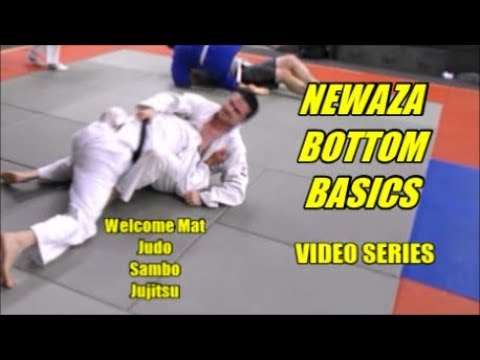
In this episode, we look at using the both feet Tomoe Nage rollover into Juji Gatame. View hundreds of videos of judo, f…
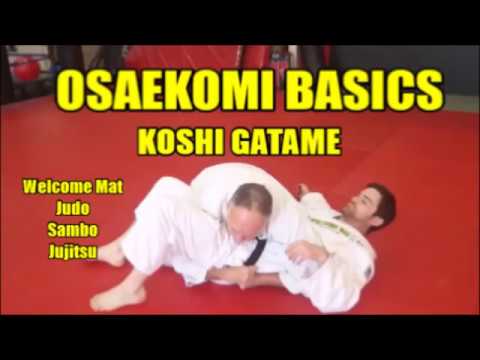
Koshi Gatame (Hip Hold or Pin) is not a common pinning technique but is still a basic skill that should be mastered. Vie…
Hara-gatame (stomach arm lock) is a submission technique applied from a dominant top position, primarily when an opponent attempts to defend against leg attacks or control the opponent's legs. According to NKcel, the fundamental mechanics involve grabbing the opponent's belt and high collar, then scooping the opponent's arm using the legs while placing the stomach to the mat to extend the elbow joint until the opponent is flattened. The technique exploits the opponent's commitment to leg defense, making it especially effective against those grabbing at the legs from bottom position. Steve Scott's instruction in the context of newaza transitions emphasizes the importance of maintaining arm control throughout positional changes and demonstrates how hara-gatame can emerge from rollover sequences like the tomoe nage to juji gatame combination. While Scott's primary focus in available transcripts centers on koshi-gatame (hip hold) as a foundational control position, his detailed treatment of armlock mechanics and the relationship between positional staging and submission application provides complementary technical context. Both instructors stress the critical role of body positioning, hip movement, and proper arm scoop mechanics in making the submission effective against a resisting opponent.
Сформировано на основе 3 инструкторов
Учебных курсов по этой технике пока нет.
Войдите, чтобы предложить курс.
Риск травмы для человека, к которому применяется техника
Hara-gatame (stomach armlock) uses the abdomen as a fulcrum to hyperextend the elbow
Уровень мастерства, необходимый для надёжного выполнения техники
Разрешена ли техника по основным соревновательным правилам
Kodokan Judo — Official Katame-waza Classification
Kodokan — Hara-gatame (腹固め) classification
Standard Japanese martial arts terminology (kanji/hiragana)
Established Japanese martial arts naming convention — native Japanese term (和語/漢語)
Kodokan — Hara-gatame (腹固め) classification
fine motor control, grip sensitivity, quick hand transitions
dexterous hands with strong fingers
forearm flexors and extensors, intrinsic hand muscles
Каждое движение в любом боевом искусстве обладает рядом универсальных свойств. Комбинируйте параметры ниже, чтобы найти нужный инструмент или сравнить аналоги из разных стилей.
Hara gatame (stomach arm lock) appears in 5 passages across 3 books. A Kodokan judo arm lock where the attacker uses their stomach/abdomen as the fulcrum against the opponent's extended elbow. One of the nine official kansetsu-waza. (3 books; Kano, Kodokan Judo)
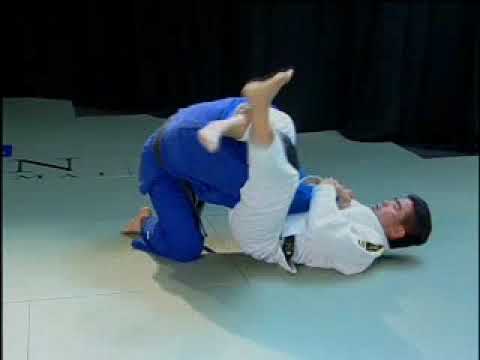
Lift your hips up while making sure your knees are tight, then apply pressure to the elbow. Push your opponent down with your legs and apply the arm bar by pinching your legs together while lifting your hips.
If the arm bar initially doesn't work, reach over with one of your legs and come over your opponent's face to transition into jujigatame.
Place your inside knee under your opponent's buttocks and keep your hips low—this removes their mobility and makes it very difficult for them to escape or come back through for a triangle, according to Steve Scott.
Hara-gatame (腹固め, 'stomach hold') is an elbow lock where the attacker uses their abdomen or hip as the fulcrum to hyperextend the opponent's elbow. The opponent's arm is trapped and extended against the attacker's torso — typically by pressing the back of the elbow against the stomach or hip while pulling the wrist toward the attacker's body.
Hara-gatame is a Kodokan Judo kansetsu-waza that uses the body's midsection as the hyperextension fulcrum. The technique reflects judo's approach of categorizing arm locks by which body part serves as the lever or fulcrum.
IBJJF: разрешён — Legal at all belt levels; IJF: запрещён — Only elbow joint locks (kansetsu-waza) permitted in judo — all other joint lo…; ADCC: разрешён — Legal — all submissions legal in ADCC; Unified MMA: разрешён — Legal submission technique; FIAS Sport Sambo: разрешён — Legal; FIAS Combat Sambo: разрешён — Legal
Оценка опасности 7/10. Hara-gatame (stomach armlock) uses the abdomen as a fulcrum to hyperextend the elbow
Стандартная цепочка подготовки: Control the Arm → Position the Hips → Pinch Knees → Extend for the Finish.
Стандартные контрприёмы: Clasp Hands — grip own wrist to prevent arm extension / Stack — drive forward to compress the attacker and relieve elbow pressure / Hitchhiker Escape — rotate the thumb toward the mat and roll to extract the arm.
Распространённые варианты: Standard wrist lock (kote gaeshi) (two-handed rotational lock on the wrist); Gooseneck wrist lock (flexion lock bending the wrist down toward the forearm); Standing wrist lock (applied during grip fighting or a standing exchange); Ground wrist lock (catching the opponent's posted hand from mount, side cont…).
Hara-gatame is used in judo competition as an armlock variation.
Основные ошибки, на которые стоит обратить внимание: Not wrapping the arm deeply enough around the hip — the arm must be positioned so the elbow sits directly against the… / Pulling the wrist without driving the hips forward — the hip drive creates the extension force; wrist control alone i… / Standing too upright — the body must lean forward into the arm; an upright posture reduces the pressure on the elbow / Not controlling the opponent's body — the free hand should control the opponent's shoulder or head to prevent rotation.
Hara-Gatame также известен как Hara-gatame, Stomach Armlock, Belly Armbar, Abdominal Arm Lock.