Удар и защитаЗамкиБлижний бойБой против нескольких
Дистанция
БлижняяСредняяДальняя
Обзор
The Distance Management family covers the spatial zones between fighters and the tactical implications of each distance. [1] Distance management is one of the most fundamental concepts in all combat sports — controlling the distance determines which techniques are available, which fighter has the advantage, and how exchanges unfold. [1],[2] The three primary zones — long range (kicking and reaching distance), mid range (punching and clinch entry distance), and close range (clinch and takedown distance) — each favour different techniques and fighting styles. [2],[3]
Также известна как
Range Control[1]Fighting Distance[2]Measure[3]Ma-ai[4]
Distance management theory has been central to fighting since antiquity, with fencing developing the most systematic early framework through its concepts of measure and tempo. [1] Boxing, kickboxing, and MMA refined distance management into a comprehensive tactical framework that governs modern striking strategy. [2],[3]
Страна происхождения· показано в случайном порядке
✓Distance management is the art of controlling the space between fighters — it determines which techniques are available and who holds the tactical advantage (Dempsey, Championship Fighting, 1950)
✓Three primary ranges exist: long range (kicking/jabbing distance), mid range (punching/combination distance), and close range (clinch/takedown distance)
✓The fighter who controls distance controls the fight — forcing the opponent to fight at an uncomfortable range is a winning strategy
✓Distance management uses footwork, feints, and frames to maintain the desired range
✓In MMA, distance management is the most important skill: it integrates striking, wrestling, and clinch seamlessly
✓Distance management is both offensive (closing distance to attack) and defensive (creating distance to avoid attacks)
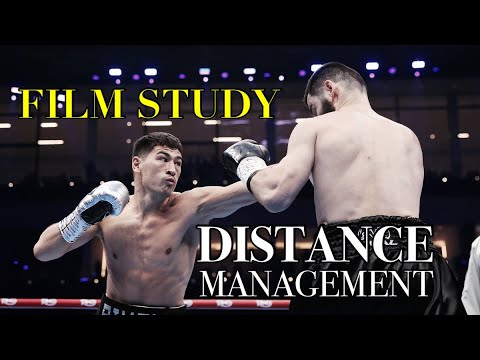
✓Study distance masters: Anderson Silva, Lyoto Machida, Israel Adesanya — all control fights through superior distance management
Типичные ошибки
!Standing at a fixed distance without adjusting — distance must be constantly managed based on the opponent's movement
!Not understanding your optimal range — each fighter has a range where their best weapons are available; find and maintain it
!Moving only forward and backward — lateral movement and angles are essential for distance management
!Ignoring the opponent's distance preferences — force them to fight at YOUR optimal range, not theirs
!Not using feints to manage distance — feints provoke reactions that create distance opportunities
!Closing distance without a plan — entering the opponent's range must be purposeful, not accidental
!Retreating in a straight line — angled retreats maintain distance while creating offensive angles
6ЦитатаMuay Thai: The Art of Fighting (Kraitus, 2002)
Effectiveness sources — [1] Boxing: The Complete Guide to Training and Fitness (Hatmaker, 2004) [2] Mastering Jujitsu (Gracie & Danaher, 2003)
Сообщество
Атлетизм
Requires
balance, lower body stability, quick directional change
Favours
well-proportioned build with strong base
Key muscles
calves, quadriceps, core, hip stabilisers
Подтехники
Ищите по тому, что делает техника, — а не по её названию
Каждое движение в любом боевом искусстве обладает рядом универсальных свойств. Комбинируйте параметры ниже, чтобы найти нужный инструмент или сравнить аналоги из разных стилей.
Distance management — controlling the space between fighters — is the fundamental strategic concept in all striking arts. In boxing, 'fighting at your range' determines who lands and who gets hit. In MMA, the striker wants distance while the wrestler wants to close it. (Boxing and MMA manuals across corpus)
Часто задаваемые вопросы
Why is distance management considered the most important part of fighting?
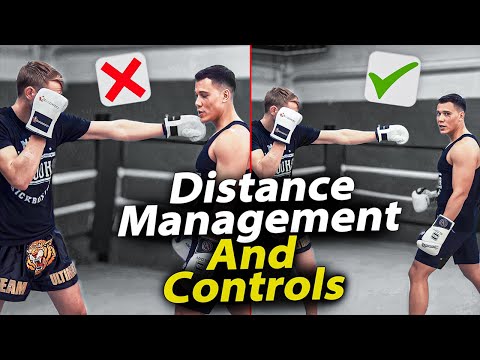
Distance management is crucial both offensively and defensively because it allows you to hit your opponent without getting hit yourself. Bazooka Joe Valtellini emphasizes that controlling the distance between you and your opponent is fundamental to combat fighting.
How do I know what distance to fight at?
Different distances work better for different fighters and situations. Bazooka Joe notes that in MMA you might use double distance to avoid takedowns, while in kickboxing he prefers one-and-a-half distance. You learn which distance suits your style best through training and experience.
How should I throw strikes to maintain proper distance?
Each strike needs to be used at its maximum range and length—your jab requires full extension, your cross needs full range. Bazooka Joe explains that using techniques at their longest, most powerful range is essential to distance management.
What footwork techniques help me manage distance?
Learning different types of footwork for closing distance and evading is important. Bazooka Joe teaches single, one-and-a-half, and double distance footwork, and emphasizes using angles and stepping out to maintain range safely rather than moving straight in.
Как работает Distance Management?
The Distance Management family covers the spatial zones between fighters and the tactical implications of each distance. Distance management is one of the most fundamental concepts in all combat sports — controlling the distance determines which techniques are available, which fighter has the advantage, and how exchanges unfold.
Откуда происходит Distance Management?
Distance management theory has been central to fighting since antiquity, with fencing developing the most systematic early framework through its concepts of measure and tempo. Boxing, kickboxing, and MMA refined distance management into a comprehensive tactical framework that governs modern striking strategy.
Оценка опасности 2/10. Low — standing positions are pre-engagement stances; minimal direct risk
Как подготовить Distance Management?
Стандартная цепочка подготовки: Achieve Position → Stabilize → Maintain → Attack.
Как защититься от Distance Management?
Стандартные контрприёмы: Posture Control — maintain strong posture to limit the opponent's offensive options / Escape to Neutral — work back to standing or a neutral position.
Какие есть варианты Distance Management?
Распространённые варианты: Standard variation (primary positioning for control and attack); Offensive variation (configured for submission or striking opportunities); Transitional variation (positioned for quick movement to the next position); Defensive variation (prioritising stability and control over attack).
Насколько эффективен Distance Management на соревнованиях?
Distance management is a key analytical metric in MMA, with dominant fighters consistently controlling range.
Какие типичные ошибки при выполнении Distance Management?
Основные ошибки, на которые стоит обратить внимание: Standing at a fixed distance without adjusting — distance must be constantly managed based on the opponent's movement / Not understanding your optimal range — each fighter has a range where their best weapons are available; find and main… / Moving only forward and backward — lateral movement and angles are essential for distance management / Ignoring the opponent's distance preferences — force them to fight at YOUR optimal range, not theirs.
Какие ещё названия есть у Distance Management?
Distance Management также известен как Kyori Kanri, Range Control, Fighting Distance, Measure, Ma-ai.