Hope Lesson Three: Parry in Tierce vs. Thrust
0
Parry of Tierce·Keith Myers
Перевод: Third parry
The Parry of Tierce deflects attacks directed to the outside high line by moving the blade to the outside with the hand in pronation. [1] Tierce protects the area outside the sword arm — the flank and outside shoulder. [1] Combined with quarte, it forms the basic inside-outside defensive framework of fencing. [1]
The Parry of Tierce remains a core technique in modern competitive fencing and historical swordsmanship. [1]
Used in FIE international fencing competition
Изображений для этой техники пока нет.
Войдите, чтобы предложить изображение.
FIE Coaching Academy 2017
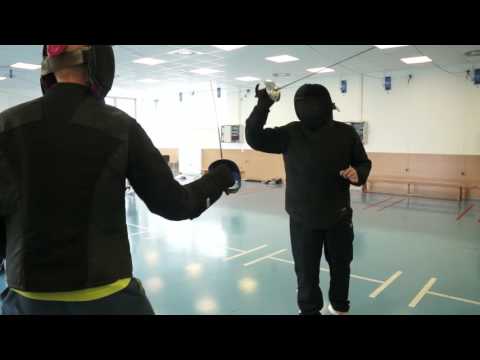
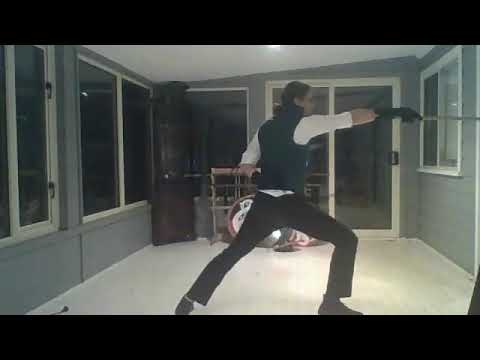
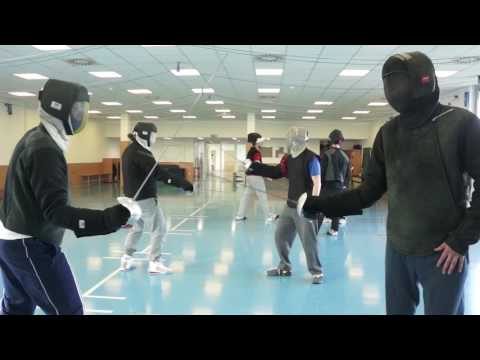
how to form the parries of tierce. This lesson is part of a series teaching how to fence in the method common in late 1…
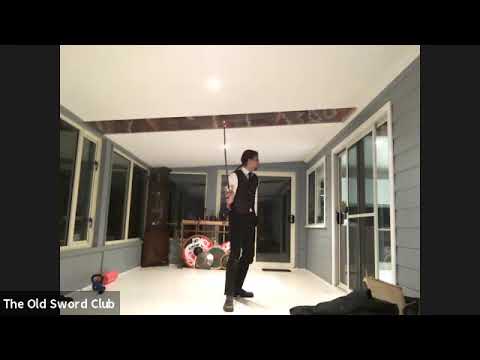
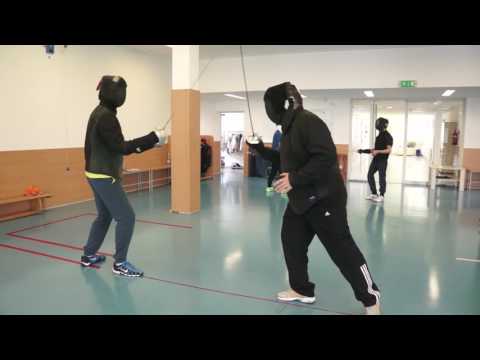
How to repost with thrusts from the parry of tierce. If you want more livestream lessons check out our facebook page at…
FIE coaching course 2017
FIE coaching Course 2017
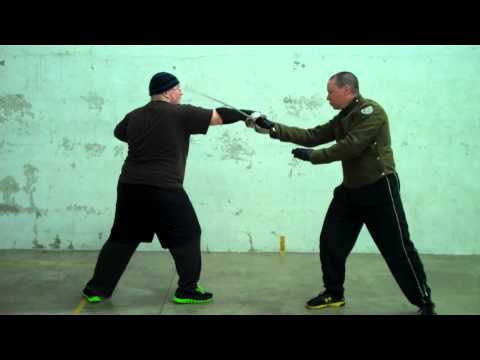
The parry of tierce is a defensive fencing technique that positions the blade to protect against attacks in the upper-outside line. Carlo Parisi emphasizes the mechanical complexity of executing ripostes from tierce, particularly for shorter fencers who may find it easier to riposte beneath the opponent's blade rather than above it. He stresses the importance of maintaining proper distance and managing the transition from late to mid-distance contact while keeping the opponent's sword on the outside. Beth Speedy provides practical instruction on tierce parry execution, noting that the technique must constitute a genuine parry rather than merely covering an area defensively. She emphasizes the importance of coordinated leg and hand movement during the parry, advocating for repetitive drills to develop proper mechanics. Speedy also addresses the application of tierce parries in combination with ripostes and feints, emphasizing that the timing and distance control are critical—the riposte should be executed as a single fluid movement when quality contact is established with the opponent's blade. Both instructors agree that tierce requires disciplined technical practice and situational awareness regarding distance and opponent positioning.
Сформировано на основе 3 инструкторов
Учебных курсов по этой технике пока нет.
Войдите, чтобы предложить курс.
Риск травмы для человека, к которому применяется техника
Defensive parrying technique
Уровень мастерства, необходимый для надёжного выполнения техники
Разрешена ли техника по основным соревновательным правилам
Fencing (Pollock, Grove & Prevost, 1902)
description, historyOrigin: sourced from Pollock, W
description, historyOrigin: sourced from Pollock, W
Requires good arm extension
Quick reflexes
Balance and footwork
The parry of tierce protects the outside line with the blade in pronation (palm down). More commonly used in épée and sabre than in foil. (Fencing technique manuals)
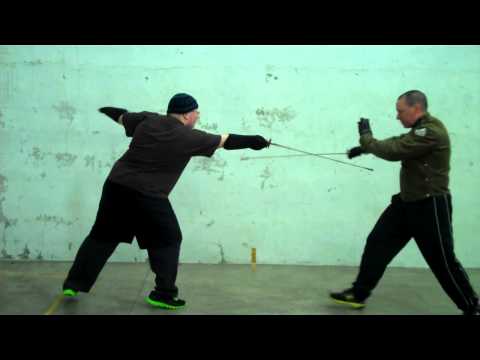
Your sword should be positioned at about 45 degrees. This angle prevents your opponent from cutting over your guard while allowing their sword to hit your blade and travel down into your shell, where they become trapped and you gain control.
Keep your hand on one side of your body and your tip on the other side, crossing your body. This positioning is important not just for parries but also for cuts, and thinking of cuts as 'parrying forwards aggressively' reinforces this principle.
When parrying against a heavier weapon, a wider parry may be slightly safer and offer bigger advantages. However, proper parrying relies on skeletal alignment and structure rather than muscular force, so the width matters less than maintaining good biomechanical positioning.
You want to take the impact on your edge because it protects your hand better than taking it on the flat of your blade.
The Parry of Tierce deflects attacks directed to the outside high line by moving the blade to the outside with the hand in pronation. Tierce protects the area outside the sword arm — the flank and outside shoulder.
The Parry of Tierce was codified in European fencing treatises from the 16th century onward. Italian and French schools developed the technique into its modern form through centuries of refinement.
Unified MMA: разрешён — Legal defensive technique; WBC/Boxing: разрешён — Legal — blocking and evasion are core boxing skills; WKF: разрешён — Legal — blocking is a fundamental karate skill; Kyokushin: разрешён — Legal; WT: разрешён — Legal; WAKO: разрешён — Legal; K: разрешён — 1/GLORY — Legal; IFMA: разрешён — Legal
Оценка опасности 1/10. Defensive parrying technique
Стандартная цепочка подготовки: En garde → Preparation → Parry of Tierce → Recovery.
Стандартные контрприёмы: Counter-parry / Distance management / Stop-hit.
Распространённые варианты: Direct parry of tierce; Indirect parry of tierce; Compound parry of tierce.
Used in FIE international fencing competition
Основные ошибки, на которые стоит обратить внимание: Over-extending / Telegraphing the action / Poor recovery.
Parry of Tierce также известен как Tierusu, Tierce, Parry 3, Third Parry, Parade de Tierce.