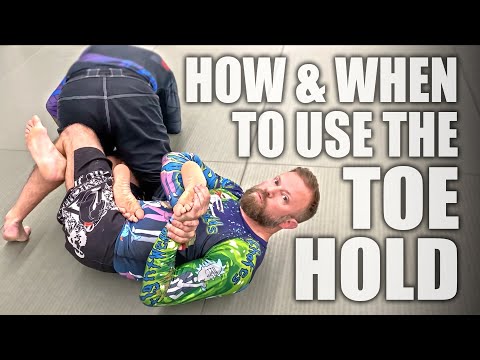
The Toe Hold - How & When to Use It | Jiu-Jitsu Submissions
0
Стандартен Toe Hold·Knight Jiu-Jitsu·Added by Admin
Hundreds more class instruction videos at Patreon.com/KnightJiuJitsu An extremely popular, useful and effective leg att…
Translation: toe hold (захват за пръстите на крака)
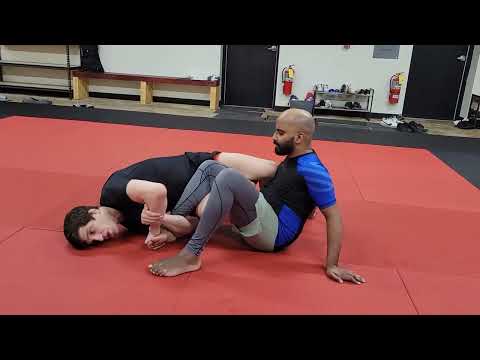
Toe hold е лег лок, който прилага комбинирана плантарна флексия и инверсия на глезенния комплекс чрез хват „фигура четири
Toe hold произлиза от кеч борбата (catch wrestling), където Франк Гоч го приема като своя фирмена завършваща техника. Той го използва, за да победи Георг Хакеншмит в техния мач за световната титла от 1908 г. (двучасов двубой в Чикаго). [1] В BJJ Ролс Грейси се противопоставя на пренебрежението на семейство Грейси към лег локовете през 70-те години, насърчавайки своите ученици да атакуват крака и ходила. Неговият ученик Марсио „Макарао
Toe hold е ефективна техника за събмишън от позиции на сплитане на краката, особено когато противникът защитава по-процентния heel hook. Завършването на Франк Мир над Танк Абът за 46 секунди на UFC 41 (2003) остава единственото завършване с toe hold в историята на UFC. [1] Техниката е особено ефективна в самбо състезанията, където е стандартна част от конкурентния репертоар от десетилетия.
Toe hold води началото си от кеч борбата (catch wrestling) (Франк Гоч, началото на 1900-те) през бразилското джиу-джицу (Ролс Грейси, 70-те години) до съвременната революция на лег локовете, водена от системния подход на Дийн Листър и Джон Данахър. Вариантът Estima Lock е разработен от Виктор и Бraulio Естима в средата на 2000-те.
Първото и единствено завършване с toe hold в UFC: Франк Мир срещу Танк Абът, UFC 41, 28 февруари 2003 г., рунд 1 на 0:46. [1] Масакадзу Иманари побеждава Масахиро Оиши с toe hold на DEEP: 59 Impact. Сред забележителните практикуващи са Виктор Уго, Дийн Листър и Фелипе „Прегиса
No images yet for this technique.
Sign in to suggest an image.
Hundreds more class instruction videos at Patreon.com/KnightJiuJitsu An extremely popular, useful and effective leg att…
Toe hold submissions from different leg entanglements such as Irimi Ashi Garami (Straight ankle lock/Single Leg X positi…
PLEASE Click this link to SUPPORT the TeachMeGrappling Channel!!! https://www.patreon.com/TeachMeGrappling or https:/…
The standard toe hold is an ankle lock submission executed by controlling the opponent's foot and using the ankle as a fulcrum to apply rotational and compressive pressure. Knight Jiu-Jitsu emphasizes that proper hand placement is critical: the grip should be positioned high on the toes (ideally using the thumb for added crushing pressure when foot size permits), with the forearm placed snugly against the heel to create the mechanical fulcrum. A common error identified by all three instructors is pushing the foot away rather than pulling it backward toward the opponent's buttocks, analogous to finishing a rear naked choke by pulling the elbow back. Knight Jiu-Jitsu notes the submission should typically be kept below chin level to maintain adequate leg bend and prevent the opponent from straightening out and escaping. Pica Pau Jiu Jitsu & Grappling provides detailed grip specifics: middle finger on the pinky knuckle with a perpendicular foot orientation, and emphasizes drawing the elbows inward (using the "tight jar" analogy) while pushing toes and lifting the heel toward the ceiling to direct pressure through the ankle. Both Knight Jiu-Jitsu and Pica Pau describe entry points including outside ashi garby, silo knot/figure-four configurations, open guard diving attacks, neon belly transitions, and leg entanglement positions like single-leg X and 50/50. Knight Jiu-Jitsu highlights the Go Core variation where the grip shifts to the heel with a spade arm, creating spiral pressure similar to a heel hook. All instructors present the toe hold as highly effective in combination with other submissions—particularly as a transitional tool between straight footlocks, heel hooks, and knee bars—rather than as an isolated finishing position.
Synthesized from 3 instructors
No instructional courses yet for this technique.
Sign in to suggest a course.
Risk of injury to the person this technique is applied to
Атакува глезенните връзки, които имат по-малко сетивни рецептори от другите стави — увреждането може да настъпи преди мозъкът да получи адекватни болкови сигнали; може да увреди едновременно ГЛЕЗЕНА И КОЛЯНОТО чрез предаване на силата нагоре по крака
Skill level needed to execute this technique reliably
Whether this technique is allowed under major competition rule sets
Leglocks: Enter the System (Danaher, 2017) — Toe Hold mechanics within ashi garami hierarchy
Biomechanical analysis — [1] Kinematics of the Toe Hold (Dr. Mike Piekarski, DPT) — clinical analysis of ATFL/CFL ligament involvement
Leg lock system — [2] Leglocks: Enter the System (Danaher, 2017) — comprehensive positional hierarchy
Leglocks: Enter the System (Danaher, 2017) || The Estima Lock & New School Toe Hold (Estima, BJJ Fanatics) || Kinematics of the Toe Hold (Dr. Mike Piekarski, DPT, mmaleech.com)
Standard katakana transliteration of Western martial arts terminology (外来語) — used in Japanese MMA, boxing, and BJJ communities
Biomechanical analysis — [1] Kinematics of the Toe Hold (Dr. Mike Piekarski, DPT) — clinical analysis of ATFL/CFL ligament involvement
Leg lock system — [2] Leglocks: Enter the System (Danaher, 2017) — comprehensive positional hierarchy
Historical — Frank Gotch biography (Wikipedia), Rolls Gracie history (Evolve MMA, BJJ Heroes)
сила на захвата за контрол чрез „фигура четири
Make sure your hips are situated through the line of your opponent's knee, rather than positioned up high. This proper hip placement is essential for effective control and finishing the submission.
Get a good outside grip on the foot. Knight Jiu-Jitsu recommends using your thumb to squeeze and crush the foot if space allows, though the specific finger placement can vary depending on your opponent's foot size.
Similar to finishing a one-arm rear naked choke, pull your elbow back rather than pulling the leg back. Also, sit off to the side and pinch your legs together to create an inside configuration, ideally hooking your bottom leg through to your opponent's far-side hip.
The toe hold can be effective from neon belly position as a transition, and it can work into an attacking-style guard pass to help you pass the guard. It can also open up opportunities for other submissions like the omoplata.
Toe hold е лег лок, който прилага комбинирана плантарна флексия и инверсия на глезенния комплекс чрез хват „фигура четири
Toe hold произлиза от кеч борбата (catch wrestling), където Франк Гоч го приема като своя фирмена завършваща техника. Той го използва, за да победи Георг Хакеншмит в техния мач за световната титла от 1908 г.
IBJJF: ограничена — Само за кафяв и черен колан; IJF: забранена — Разрешени са само лостове на лакетната става (канцецу-вaza) в джудо — всички …; ADCC: легална — Разрешен — всички събмишъни са позволени в ADCC; Унифицирани правила за MMA: легална — Разрешена техника за събмишън; FIAS Спортно самбо: легална — Разрешен; FIAS Бойно самбо: легална — Разрешен
Оценка на опасност 7/10. Атакува глезенните връзки, които имат по-малко сетивни рецептори от другите стави — увреждането може да настъпи преди мозъкът да получи адекватни болкови сигнали; може да увреди едновременно ГЛЕЗЕНА И КОЛЯНОТО чрез предаване на силата нагоре по крака
Стандартната верига за подготовка: Установяване на контрол аши гарами → Изолиране на ходилото → Осигуряване на хват „фигура четири.
Стандартните контри включват: „Ботушът.
Чести варианти: Вътрешен toe hold (прилага се от вътрешно аши гарами, завърта ходилото навът…); Външен toe hold (прилага се от външно сплитане на крака под различен ъгъл); Estima Lock (разработен от Виктор и Бraulio Естима в средата на 2000-т…).
Първото и единствено завършване с toe hold в UFC: Франк Мир срещу Танк Абът, UFC 41, 28 февруари 2003 г. , рунд 1 на 0:46.
Основни грешки, за които да внимавате: Липса на контрол върху таза на противника — позволява му да се завърти и да облекчи натиска / Прекалено бърза заключване — ниската плътност на болковите рецептори означава, че нараняванията настъпват преди проти… / Неправилно осигурен хват „фигура четири.
Стандартен Toe Hold е известна също като Tō Hōrudo, Toe Hold, Figure-Four Toe Hold, Pe de Vaca, Foot Lock.