Introduction to the De La Riva Pass
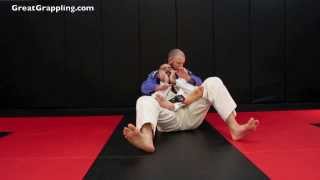
The instructor presents an effective guard pass specifically designed to counter the De La Riva guard, particularly when the opponent controls the ankle. This variation, learned from Brazilian instructors, addresses the De La Riva hook while maintaining superior control through a unique outside-leg grip.
Base and Posture Foundation
The passer must establish a strong squat-based posture rather than bending at the waist, keeping the nose positioned behind the toes to maintain stability. This foundational positioning prevents compromised balance and avoids creating openings for submissions such as triangles and armlocks.
Lapel Control and Shoulder Lift
The passer connects the knee and elbow while reaching with the free hand to establish lapel control. This grip serves the dual purpose of lifting the opponent's shoulders slightly off the floor and creating crucial upper-body control without overcommitting the positioning.
Ankle Pick and Inside Control
The passer addresses the opponent's extended leg by performing an ankle pick and stepping inside to dominate that space. This movement neutralizes the opponent's primary defensive tool and shifts the power dynamic decisively in the passer's favor.
Outside Leg Grip Transfer
After securing inside control, the passer reaches the free hand around the outside of the opponent's leg while maintaining the lapel grip with the other hand. This unique grip configuration provides exceptional control throughout the remainder of the pass.
Cross-Space Development
The passer may now break the nose-behind-toes rule by leaning forward to establish a strong cross-space position while back-stepping. This forward lean is permissible only after securing the inside position and both grips.
Hook Clearance and Finishing
The passer steps on the opponent's ankle to clear the remaining De La Riva hook while pulling through with controlled pressure. Using the knee to drive the opponent's back toward the floor completes the pass into a dominant control position.
Lapel Grip Retention for Control
The instructor emphasizes maintaining the lapel grip even after passing the guard, as this grip provides exceptional control across all skill levels. This finishing detail distinguishes the pass as a complete system that extends beyond the initial guard break.
De La Riva Pass Rommel Pass
Key Takeaways
- •Introduction to the De La Riva Pass
- •Base and Posture Foundation
- •Lapel Control and Shoulder Lift
- •Ankle Pick and Inside Control
Another move shown to me by one of my Professors in Brazil, the Rommel pass is a great way to deal with a strong DLR game. Clearing that hook on the outside can be an absolute nightmare if you don't have a technical response. There are a couple of very important things going on in this pass. First of all you need to keep outward pressure with your inside knee. This is pretty standard with DLR defense. If you get lazy with this knee and allow them to turn your knee inward it will expose your back and compromise your base. So framing out is essential. Next you must squat. This allows you to keep your base low while also allowing you to maintain posture and avoid Triangles and Armbars. Posture is Very important in almost all of your passes. Now that you have good outward pressure, you have posture it's time to get ahold of that lapel. The lapel is important in this pass, but we must obtain without giving up posture or opening that space. This is done by reaching with your back arm to feed the lapel to your front hand. Keep in mind you must keep your knee and your elbow touching throughout this maneuver. Next it's time to clear that stretching leg. This can be done a number of ways and really depends on preference and what pass you are going to use. I just pick the ankle off the hip by lifting up on it. This kills their ability to stretch you and challenge your base while also allowing you into the space in between your opponent's legs. This space is a sweep spot where you're not really committed to a specific pass but they have very few options as to push you away and make space. As the person on bottom this feels very much like a blind spot in your guard. The problem is that DLR hook around the outside. Even though the legs aren't involved in making space, that hand on the ankle can still prevent you from finishing a pass. It is at this point that we will reach around the outside of that leg that we just cleared and feed the lapel we're holding with the front hand. This does a great job of binding that leg in place. Although this has limited control in this spacing, you will find that it really allows you to commit to future steps without a lot of danger of being swept. To deal with that hook we're going to actually bend at the waist (something I rarely do willingly) to get the crossface. Once I have the crossface we're going to backstep deep out with the leg that is not controlled. Make sure that you're really emphasizing that crossface and also maintaining control of the lapel with the other hand. This transition is going to take a few reps to understand how you keep the pressure with the lapel to prevent them from coming up. I recommend watching that part of the video a couple of times, from different angles to see what I mean. Lastly, for someone that has a strong DLR hooking hand, you can scoot your hips back and take your free leg to stop on their leg. This is difficult to explain as the spacing is weird, again watch the video to see what I'm talking about. But ultimately you're going to realize that stepping on the leg also clears their bottom hand. Let me know what you think.
Frequently Asked Questions
What does this video teach about standard scoot and turn?
This video covers introduction to the de la riva pass, base and posture foundation, lapel control and shoulder lift. It provides detailed instruction from Great Grappling.
How long does it take to learn standard scoot and turn?
The basic mechanics can be understood in a single session, but developing reliable execution requires consistent drilling over weeks of practice. This 8-part breakdown helps structure your training by isolating each phase of the technique.
What are the key details for finishing standard scoot and turn?
The passer steps on the opponent's ankle to clear the remaining De La Riva hook while pulling through with controlled pressure. Using the knee to drive the opponent's back toward the floor completes the pass into a dominant control position.