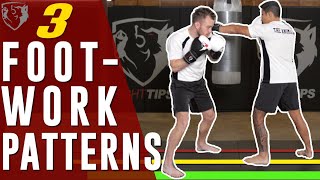
Introduction to Punch Reading and Head Movement
This instructional guide presents three fundamental techniques for developing punch-reading ability and defensive head movement. These principles are designed to enhance instinctive reactions, timing, and overall defensive awareness.
Tip 1: Sequential Defense—Block First, React Second
Rather than attempting to dodge every incoming punch immediately, practitioners should first establish a blocking foundation through parrying or contact. Once the first punch is neutralized through blocking, focus shifts to the opponent's opposite hand, enabling a more effective secondary defense such as slipping or ducking.
Reading Punch Combinations Through Hand Sequencing
A common offensive pattern involves the lead hand followed immediately by the rear hand. By controlling the opponent's lead hand with contact, the defender gains tactile and visual information about the incoming rear-hand strike. This sequential reading allows for precise timing of slips, shoulder rolls, or evasive movements.
Sticky Hands Sensitivity for Lead Hand Control
Maintaining light contact with the opponent's lead hand through the rear hand enables tactile feedback that signals movement before visual recognition occurs. This principle, derived from Wing Chun methodology, allows defenders to feel incoming attacks and respond with appropriate blocking or evasion techniques.
Tip 2: Exit Planning and Variable Head Movement
Before executing offensive strikes, practitioners must establish an exit strategy that dictates how the head will move immediately after. Effective defense requires rotating between different evasion patterns—slipping left, slipping right, pulling straight back, and rolling under—to prevent opponents from exploiting predictable movement habits.
Managing Multiple Incoming Strikes
When faced with sustained offensive combinations, continuous head movement combined with footwork creates distance and safety. Strategic retreat to the outside range provides time to reset defensive positioning and avoid being cornered or caught by follow-up strikes.
Tip 3: Outside Distance and Straight Punch Preference
Maintaining an outside fighting distance while lowering the hands forces opponents toward straight punches rather than wider circular strikes. Straight punches are significantly easier to read and counter, providing superior opportunities for both defensive slips and offensive counters.
Practical Application in Sparring
These techniques are most effectively developed through relaxed, playful sparring that prioritizes technical exploration over competition. Practitioners should integrate these three fundamental principles into live practice to develop natural instinctive responses to incoming strikes.
3 Beginner Tips for Reading Punches & Improving Head Movement
Key Takeaways
- •Introduction to Punch Reading and Head Movement
- •Tip 1: Sequential Defense—Block First, React Second
- •Reading Punch Combinations Through Hand Sequencing
- •Sticky Hands Sensitivity for Lead Hand Control
0:00 - Start 0:11 - Tip 1 2:37 - Tip 2 3:18 - Tip 3 Start dodging punches like a pro with this head movement program: https://www.mmashredded.com/headmovement FIND ME: ➥ IG: https://www.instagram.com/mmashredded/ ➥ TIKTOK: https://www.tiktok.com/@mmashredded ➥ WEB: https://www.mmashredded.com ➥ FB: https://www.facebook.com/mmashredded/ ➥ SUPPORT & JOIN THE COMMUNITY: https://www.patreon.com/mmashredded
Related Techniques
Frequently Asked Questions
What does this video teach about jab-teep range management?
This video covers introduction to punch reading and head movement, tip 1: sequential defense—block first, react second, reading punch combinations through hand sequencing. It provides detailed instruction from Jeff Chan MMAShredded .
How long does it take to learn jab-teep range management?
The basic mechanics can be understood in a single session, but developing reliable execution requires consistent drilling over weeks of practice. This 8-part breakdown helps structure your training by isolating each phase of the technique.
What are the key details for finishing jab-teep range management?
Maintaining an outside fighting distance while lowering the hands forces opponents toward straight punches rather than wider circular strikes. Straight punches are significantly easier to read and counter, providing superior opportunities for both defensive slips and offensive counters.