The Closed Guard Problem
Practitioners often find themselves trapped in an opponent's closed guard, expending significant energy attempting to open it while the opponent continuously pulls them inward. This exhausting cycle depletes energy reserves that could be better allocated to guard passing and submissions. Understanding efficient guard-opening mechanics is essential for all belt levels.
Preventive Positioning: Combat Stance
The most effective defense against closed guard is prevention through combat stance, which features one knee elevated and one knee grounded. This positioning makes it extremely difficult for an opponent to establish and lock their guard around the practitioner's hips. Maintaining combat stance during initial guard engagement eliminates the closed guard problem before it develops.
Posture as Foundation
Proper posture is the critical foundation for any guard-opening technique and must be established before attempting to open the guard. A practitioner postured down low is vulnerable to numerous submissions and sweeps. The head must remain free and clear, with the chest elevated, creating space and control for effective guard passing.
Four-Step Guard Opening Sequence
The fundamental guard-opening technique consists of four distinct steps: establish posture, control the opponent's wrist on the lift side to prevent leg lock and sweep attempts, rotate the knee slightly inward to misalign the opponent's spine, and drive downward with a locked elbow using core power rather than arm strength. Each step builds upon the previous one to create an effortless, high-percentage opening. This method remains effective regardless of the opponent's size or strength level.
Knee Positioning and Leg Extension
The lifting leg must remain completely vertical throughout the opening sequence, as a bent knee will only compress the opponent's leg against the practitioner's own body. The hand placement should target the inside of the opponent's knee while the elbow locks completely straight. The practitioner uses core engagement and body weight—similar to a bench press movement—to slide the leg down cleanly.
Standing Guard Opening: The Advanced Method
Standing immediately forces an opponent to open their guard voluntarily, as their only remaining options are leg lock attempts or sweep attempts. The practitioner must maintain head position away from the opponent's grip to prevent arm bar vulnerabilities. Once the guard opens, the practitioner can immediately defend against sweeps and leg locks while transitioning to guard passing.
Critical Head Position Safety
Head position determines the safety of the standing guard-opening technique. If the opponent maintains control of the head, arm bar submissions become immediately available. If the head is free and clear before standing, no submission is possible, leaving only sweep and leg lock threats that the practitioner can readily defend against.
Gi-Specific Modifications
The guard-opening principles remain consistent in gi training, though grip-breaking and collar control become necessary prerequisites. Rather than controlling the wrist, the practitioner typically controls the gi fabric at the chest area before executing the opening sequence. The fundamental mechanics of posture, knee rotation, and vertical leg extension remain unchanged.
How to NEVER Get Stuck in the Closed Guard Again! | Jiu Jitsu Tutorial
Key Takeaways
- •The Closed Guard Problem
- •Preventive Positioning: Combat Stance
- •Posture as Foundation
- •Four-Step Guard Opening Sequence
Join My Online Academy to Improve Your Jiu Jitsu FAST!!! https://academy.mattarroyo.com/ ------------------------------------------------------------------------------------------------------------------------- Tired of getting locked down in closed guard with no escape in sight? In this step-by-step Brazilian Jiu-Jitsu tutorial, UFC veteran and BJJ black belt Matt Arroyo breaks down exactly how to open and pass the closed guard with confidence, without getting swept, submitted, or stuck. Whether you’re a white belt struggling to stay safe or an advanced grappler looking to refine your pressure passing, this video will show you the key concepts, grips, and guard break strategies you need to finally dominate from the top. ✅ Learn: • The most common mistakes grapplers make inside closed guard • How to break the guard open safely and consistently • How to neutralize submissions like armbar, triangle, and omoplata • When to apply pressure vs. posture (and why timing matters) 🔥 This isn’t just a technique—this is a full game plan for escaping and passing closed guard the right way. _________________________________________________________________________ 🔥 Boost Your Jiu Jitsu Game: Subscribe to the channel for more tutorials, drills, and techniques that will elevate your training and help you dominate on the mats. Don’t forget to like, comment, and share this video with your teammates!
Frequently Asked Questions
What does this video teach about from guard?
This video covers the closed guard problem, preventive positioning: combat stance, posture as foundation. It provides detailed instruction from Matt Arroyo Jiu Jitsu .
How long does it take to learn from guard?
The basic mechanics can be understood in a single session, but developing reliable execution requires consistent drilling over weeks of practice. This 8-part breakdown helps structure your training by isolating each phase of the technique.
What are the key details for finishing from guard?
Head position determines the safety of the standing guard-opening technique. If the opponent maintains control of the head, arm bar submissions become immediately available. If the head is free and clear before standing, no submission is possible, leaving only sweep and leg lock threats that the practitioner can readily defend against.
Related videos
Jiu-Jitsu Submissions | Lots of Closed Guard Submissions
Knight Jiu-Jitsu
Elevated Basics: The Ultimate No-Gi Closed Guard Guide
IsakIvanovicjj
SHALLOW K GUARD | Matrix Back Take & Calf Slicer | 4K
玉木強 / YOSHI JIU-JITSU TECH
SLX Matrix Calf Slicer to the Back - Adam Benayoun | #BJJ #NOGI
Digitsu
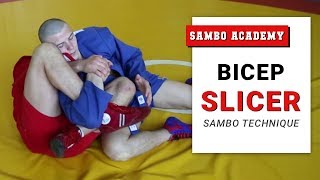
Bicep slicer. Very painful submission
IVAN VASYLCHUK. SILA PARTERA